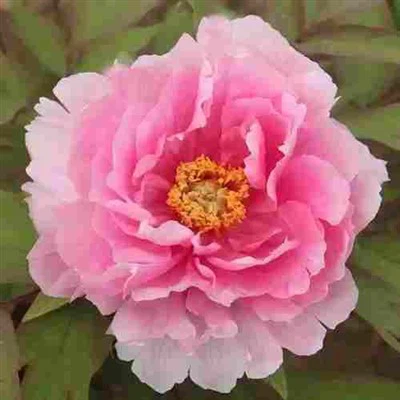
As a dedicated supplier of Duchess Peony, I've spent a significant amount of time in the world of peonies, exploring their various characteristics and nuances. One of the most fascinating aspects that often catches people's attention is the leaf shape of the Duchess Peony. In this blog, I'll take you on a journey to understand the unique leaf shape of this beautiful flower.
The General Appearance of Duchess Peony Leaves
The leaves of Duchess Peony are a remarkable feature that contribute to the plant's overall aesthetic appeal. They are compound leaves, which means they are composed of multiple leaflets attached to a central stem. This compound structure gives the plant a lush and full appearance, adding to its ornamental value.
Typically, the leaflets are arranged in an alternate pattern along the leaf stem. The number of leaflets can vary, but it is common to find three or five leaflets per leaf. Each leaflet has a distinct shape that is characteristic of the Duchess Peony.
The Shape of Individual Leaflets
The individual leaflets of the Duchess Peony have an elliptical to lanceolate shape. This means that they are elongated, with a rounded base that tapers to a pointed tip. The edges of the leaflets are usually smooth, although in some cases, you might notice a very slight serration.
The length of the leaflets can range from a few inches to over a foot, depending on the age and health of the plant. The width of the leaflets is proportionate to their length, creating a balanced and elegant look. The surface of the leaflets is often a deep, rich green color, which provides a beautiful contrast to the colorful flowers.
The Significance of Leaf Shape
The unique leaf shape of the Duchess Peony serves several important functions. Firstly, the shape of the leaflets is optimized for photosynthesis. The large surface area of the leaflets allows them to capture more sunlight, which is essential for the plant to produce energy through photosynthesis. This energy is then used for growth, flower production, and other vital processes.
Secondly, the leaf shape also plays a role in water management. The pointed tips of the leaflets help water to drain off quickly after rainfall or irrigation, reducing the risk of fungal diseases. Additionally, the smooth edges of the leaflets minimize water loss through evaporation, helping the plant to conserve water in dry conditions.
Comparing with Other Peony Varieties
When comparing the leaf shape of the Duchess Peony with other peony varieties, such as the Blue Fuji Peony, Hawaiian Coral Pink Peony, and Angel Cheeks Peony, there are some noticeable differences.
For example, the Blue Fuji Peony may have narrower and more elongated leaflets compared to the Duchess Peony. The Hawaiian Coral Pink Peony might have leaflets with a slightly different coloration or a more pronounced serration on the edges. And the Angel Cheeks Peony could have a different arrangement of leaflets on the leaf stem.
However, despite these differences, all peonies share some common characteristics in their leaf structure. They are all compound leaves, and the general shape of the individual leaflets is similar across different varieties.
Factors Affecting Leaf Shape
Several factors can affect the leaf shape of the Duchess Peony. One of the most important factors is genetics. The genetic makeup of the plant determines the basic shape and structure of its leaves. Different varieties of Duchess Peony may have slightly different leaf shapes due to genetic variations.
Environmental conditions also play a significant role in leaf development. Adequate sunlight, water, and nutrients are essential for the healthy growth of the leaves. Insufficient sunlight can lead to smaller and less well - developed leaflets, while overwatering or poor soil quality can cause the leaves to become distorted or discolored.


Pest and disease infestations can also affect the leaf shape. For example, certain insects may feed on the leaves, causing holes or damage that can alter the shape of the leaflets. Fungal diseases can also cause the leaves to curl, wilt, or develop spots, which can impact the overall appearance of the plant.
Cultivating Duchess Peony for Optimal Leaf Shape
As a supplier, I understand the importance of cultivating Duchess Peony to ensure optimal leaf shape. Here are some tips for growing healthy Duchess Peony plants with beautiful leaves:
- Sunlight: Provide the plants with at least six hours of direct sunlight per day. This will help the leaves to develop properly and maintain their deep green color.
- Watering: Water the plants regularly, but avoid overwatering. The soil should be well - drained to prevent waterlogging, which can lead to root rot and other problems.
- Fertilization: Use a balanced fertilizer to provide the plants with the necessary nutrients. Apply the fertilizer according to the manufacturer's instructions, usually in the spring and fall.
- Pest and Disease Control: Monitor the plants regularly for pests and diseases. Use organic or chemical controls as needed to prevent infestations and keep the leaves healthy.
The Role of Leaf Shape in Marketing Duchess Peony
The leaf shape of the Duchess Peony is not only important for the plant's health and growth but also plays a crucial role in marketing. The lush, beautiful leaves add to the overall visual appeal of the plant, making it more attractive to customers.
When promoting the Duchess Peony, highlighting the unique leaf shape can be a great selling point. Customers are often drawn to plants with interesting foliage, and the compound leaves of the Duchess Peony with their elliptical to lanceolate leaflets are sure to catch their eye.
In addition, the healthy and well - shaped leaves are a sign of a high - quality plant. Customers are more likely to purchase a Duchess Peony that has vibrant, undamaged leaves, as it indicates that the plant has been well - cared for.
Conclusion
In conclusion, the leaf shape of the Duchess Peony is a fascinating and important aspect of this beautiful flower. The compound leaves with their elliptical to lanceolate leaflets not only contribute to the plant's aesthetic appeal but also serve important functions in photosynthesis and water management.
As a Duchess Peony supplier, I am passionate about providing high - quality plants with beautiful leaves. If you are interested in purchasing Duchess Peony for your garden or floral business, I encourage you to contact me for a discussion. We can talk about your specific needs, the best varieties for your location, and the cultivation tips to ensure the success of your plants.