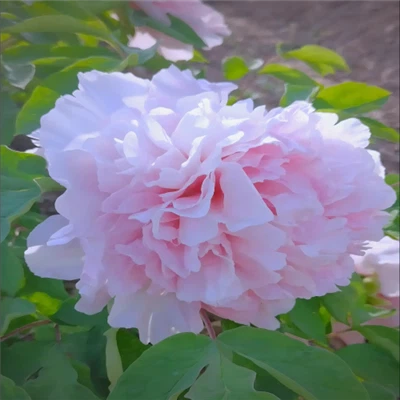
If you've ever fallen for the dramatic, velvety blooms of a Black Tree Peony, you know there's nothing quite like how it commands attention in a garden. As someone who's spent years growing and supplying these beauties-plus every other peony you could want, from the sunny Orange Tree Peony to the soft blush of the Pink Tree Peony-I've learned that getting the soil pH right is non-negotiable for keeping them happy. I've seen too many gorgeous young Black Tree Peony plants fizzle out because their owners didn't know how small tweaks to soil chemistry make a huge difference. Today, I'm breaking down exactly how to adjust your soil pH for these dark divas, no fancy lab degree required.
First, let's get one thing straight: Black Tree Peonies (you can check out our full selection here, by the way) aren't some rare mythical flower-they're just peonies with super pigmented petals that stand out more than most. But their soil needs are way more specific than, say, a random garden weed. I always tell new customers: these guys hate soggy roots, and they're picky about soil pH more than your average Dark Pink Peony or even a fun multi-colored hybrid. So let's start with the basics. What pH do Black Tree Peonies even like? Most tree peonies (which are different from the common herbaceous peonies you see at grocery stores) thrive in slightly alkaline soil. We're talking a pH range of 6.5 to 7.5. If your soil is too acidic (below 6.0) or too alkaline (above 8.0), they can't absorb key nutrients like iron, magnesium, and calcium-even if you dump fertilizer on them. Over time, this leads to yellow leaves, stunted growth, and worse: no blooms, which is a total bummer when you're waiting for those black velvet petals to pop.
Wait, but how do you even know what your soil's pH is? A lot of new gardeners guess, but guessing is a bad call here. I recommend picking up a cheap soil test kit at your local nursery-they're like $10 and take 5 minutes to use. Or, if you're serious, send a sample to your county extension office; they'll give you a full breakdown for free or like $5. I've had customers tell me "my soil's fine" only to test it and find it's a 5.2-way too acidic for Black Tree Peonies. Don't skip this step. It's the easiest way to avoid wasting time on fixes that don't address the real problem.
Once you know your current pH, it's time to adjust. Let's start with the most common issue for people near cities or with heavy rain: acidic soil (pH too low). How do you sweeten it (that's the gardening term for raising pH) for your Black Tree Peony? The go-to is garden lime, but not just any lime-calcitic lime is best for most home gardens. How much to add? That depends on your soil type. If it's sandy, you'll need less (about 5 pounds per 100 square feet to raise pH by 1 point), and if it's clay-heavy, more like 8 pounds per 100 square feet. Pro tip: don't dump all the lime at once. Peonies hate shock. Split the dose over two seasons-add half now, half next year after retesting. Also, lime works slow, so it's best to apply it in fall so it has all winter to break down before planting in spring. I had a customer last year who dumped 15 pounds of lime on a small bed and wondered why her new peonies looked burnt. Slow and steady wins here.
What if your soil is too alkaline (pH over 8.0)? That's less common but just as bad for Black Tree Peonies. Alkaline soil locks out iron, leading to those sickly yellow leaves called chlorosis. How do you lower pH? elemental sulfur is your friend, or aluminum sulfate, but be careful with aluminum sulfate too much can mess up soil microbes. Elemental sulfur works over a few months, so apply it in fall too-use about 1 pound per 100 square feet for sandy soil, 2 pounds for clay. Wait, I've seen people use peat moss to lower pH, and while that works, it's not the most sustainable option. Peat moss is non-renewable, so I tell customers to stick with sulfur if they can. Another quick tip: adding composted pine needles or well-rotted oak leaves around the base can help gently lower pH over time, too, plus it adds nutrients.


Now, let's talk about when to adjust soil pH-because timing matters for Black Tree Peonies, especially if you're planting new ones. If you're planting a new Black Tree Peony from our nursery (yes, we ship nationwide!), don't just throw it in the ground. Prep the hole first: dig it twice as wide and just as deep as the root ball, then mix in the amendment to adjust pH before you put the plant in. If you adjust after planting, you might disturb the roots, and tree peonies hate being moved-they can take years to recover. For established plants, the best time to adjust is in late fall, after the leaves have died back. That way, you don't damage any active roots, and the amendment has all winter to work.
Wait, common mistakes I see all the time. First, over-adjusting. If you get your pH to 6.8 instead of 7.5, that's fine. You don't need to hit exactly 7.0. Black Tree Peonies are forgiving within that 6.5-7.5 range. Another mistake: not retesting after adjusting. Lime doesn't stay in soil forever. Heavy rain can leach it out, and over time, soil can turn acidic again. I tell my customers to retest every 2-3 years. Third mistake: ignoring drainage while fixing pH. Tree peonies hate standing water, so even if your pH is perfect, if the soil is soggy, your Black Tree Peony will die. Always make sure the area drains well-if it's low, build a raised bed. I see people get so focused on pH tweaks they forget the basics, and it's a total waste of effort.
Let's also tie this back to why this matters for blooms, because that's what everyone wants. The deep black color of a Black Tree Peony comes from anthocyanins, pigments that are also found in dark berries and other flowers. Those pigments are only stable when the soil pH is in that sweet spot. If pH is off, the petals might fade to a murky brown instead of that rich, inky black you love. I've compared it to Multi-color Peony hybrids that have more variable pigmentation-black tree peonies are way more sensitive to soil chemistry. If you want those showstopping blooms that make every guest stop and stare, getting pH right is non-negotiable.
As someone who's been supplying peonies for over a decade, I've watched so many new gardeners go from killing their first Black Tree Peony to having a thriving bush with 20+ blooms a year. The key is starting with a soil test, adjusting slowly, and not overcomplicating it. You don't need a PhD in horticulture-just a few simple steps. If you're ready to add a Black Tree Peony to your garden, or any other peony (we've got everything from the bold orange to the delicate pink), don't hesitate to reach out. We can help you pick the right variety for your space and even answer any questions about soil prep. Whether you're a first-time gardener or a seasoned pro, there's nothing like watching a Black Tree Peony bloom in your yard-and it all starts with that perfect soil pH.
Let's keep this real, though. I know gardening can feel overwhelming, especially when it comes to specific plants like tree peonies. But trust me, putting in the work to get that pH right will pay off for years. I've had regular customers who've been buying from me for 5+ years, and their Black Tree Peonies are the highlight of their spring gardens. So don't stress if your first test is off-just adjust and try again. That's half the fun, right? Troubleshooting, learning, and watching your plants thrive.
If you have any questions about adjusting soil pH, or want to order your own Black Tree Peony, feel free to get in touch. We're here to help every step of the way. Don't forget to check out our collection for all peony varieties-you're bound to find something you love.