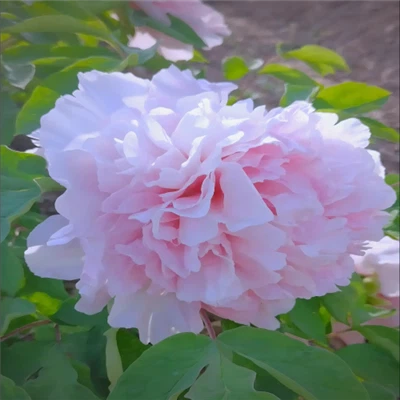
If you've ever walked through a garden in late spring and stopped in your tracks at the sight of peonies bursting into bloom-soft ruffled petals, that heady scent that sticks to your clothes for hours-you probably know how magical these plants can be. But I'd wager most folks don't stop to think about what native peonies do beyond looking pretty and smelling amazing. For the last decade, I've run a small native peony supplier, and I've learned a lot about these plants beyond their garden appeal. Today I want to chat about the unglamorous, critical role they play in the local ecosystem, because if you're a gardener, a nature lover, or someone who just wants to support healthy, thriving environments, this stuff matters.
First off, let's clarify: when I say native peonies, I'm talking about the species that evolved over thousands of years right in the regions they grow, not the fancy hybrid varieties bred for over-the-top blooms that you might see at big-box stores. A lot of people mix them up with tree peonies, but native peonies are tough, adaptable perennials that don't need constant pampering. They're the kind of plants that show up in meadows, woodlands, and even rocky hillsides, and they've got a whole network of relationships with other wildlife that most hybrids just don't.
Let's start with the pollinators, because that's the big one. I see it every spring when my peonies start to open-bees of all sizes, from fuzzy bumblebees to tiny sweat bees, crawling deep into the blooms like they own the place. Butterflies, beetles, even some moths will stop by for the nectar. But here's the thing: native peonies are early bloomers, usually popping up right when a lot of other nectar sources are still scarce. For pollinators that just emerged from hibernation or migration, that first meal of the season is make-or-break. I once had a regular customer who keeps beehives tell me that his hives near my native peonies started producing honey 10 days earlier than hives that didn't have them, all because those peonies gave the bees that first energy boost they needed to get to work. And it's not just bees-some solitary wasps, which are actually great for controlling garden pests like aphids, also use peony nectar as a food source. So if you have native peonies around, you're not just feeding showy butterflies; you're supporting a whole crew of helpful, underrated pollinators.


Then there's the soil. Native peonies have these deep, thick roots that go down 3 to 4 feet, way deeper than most common garden plants. That's a game-changer for the soil. Those roots break up compacted soil, letting water and air get down deeper instead of just running off. I've noticed that areas where I've planted native peonies have better drainage, so after a heavy rain, there's less standing water that can lead to mosquito breeding or root rot in other plants. Also, when the peony leaves and stems die back in the fall, they decompose slowly and add organic matter back into the soil. Unlike hybrid peonies, which often have weaker root systems and need a lot of fertilizer, native peonies actually improve the soil over time, creating better conditions for other native plants nearby.
Wildlife gets way less credit for using peonies than they deserve, too. I've watched squirrels nibble on peony buds in early spring, but not in a way that hurts the plant-they just take a small bite to get energy, and the rest of the bud still opens up. Birds, especially ground-nesting ones like sparrows and finches, will hide under the dense foliage of peony plants to build their nests. The thick leaves and stems offer perfect cover from predators like hawks and cats. Even small mammals like voles will use the base of peony clumps as a shelter from extreme weather. I had a customer tell me that she put native peonies in her backyard a few years ago, and now she has a family of quail that nests under them every spring-something she never saw before planting peonies. It's like those plants become a little community hub for tiny backyard wildlife.
Wait, and let's talk about drought resistance. Native peonies are adapted to the climate of their native ranges, so they don't need constant watering like a lot of exotic plants. That makes them a huge help in areas that get dry spells, which are getting more common these days. Their deep roots let them access moisture that other plants can't reach, so they keep growing and blooming even when the rest of the garden is looking crispy. That means they don't just save gardeners time and water-they also stay a consistent food source for pollinators and wildlife when other plants might wilt.
Now, I know what some of you are thinking: "Okay, that's cool, but where do I even get native peonies that are actually native, not just labeled as such?" That's why I started my little business. A lot of places sell hybrids that look like peonies but don't have any of these ecosystem benefits. I only grow native peonies, carefully sourcing them from sustainable, field-cultivated stock that's true to their species. Some of my most popular picks are the ones that stand out for their looks and their pollinator appeal-like Fragrant Jade Peony, which has delicate white blooms that smell like sweet honey, perfect for drawing in early bees. Then there's the Blue Hibiscus Peony, with its unique blue-tinged petals (yes, really- it's way more vivid in person than in photos) that butterflies go crazy for. If you're looking for a classic, old-school peony vibe, Zhaofen Peony has soft pink blooms that have been grown in native gardens for centuries, and they're a magnet for bumblebees. Oh, and don't sleep on Snow Reflects Peach Blossoms and Peony-its pale pink blooms look like they're glowing in the morning sun, and it's one of the hardiest native varieties I've ever grown, great for areas with cold winters.
I also want to mention Field Cultivated Tree Peony that I grow-these aren't the fancy greenhouse-grown ones that get dropped off in a box and struggle to survive. I grow my peonies in open fields, just like they would in their natural habitat, so they develop strong, tough roots that can handle real weather. That's why my customers tell me their peonies come back year after year without any issues, no fancy care required.
But here's the thing: I didn't get into this business just to sell plants. I got into it because I saw how many people were planting hybrid peonies that didn't do anything for the local ecosystem, and how pollinators and birds were losing habitat because of it. Native peonies are such an easy, low-effort way to make your yard better for wildlife. You don't need a huge garden-even a few peony plants in a flower bed will make a difference. They're low-maintenance, they bloom for weeks in spring, and they bring so much life to your space.
I've had customers come to me skeptical at first-they say, "I just want pretty flowers, I don't care about pollinators." But 9 times out of 10, by the end of the season, they're sending me photos of bees on their peonies or birds nesting under them, and telling me how much they love that their plants are actually doing good beyond looking nice. That's the best part of this job: turning people onto plants that they love, that are easy to care for, and that help the planet a little bit.
If you're thinking about adding native peonies to your garden, or you're not sure which variety is right for your space, I'd love to chat. I can help you pick the right ones for your climate, whether you have a sunny backyard or a partially shaded spot. I only sell plants that I've grown myself, so I can tell you exactly what each one needs and how it will fit into your local ecosystem. No pushy sales, no weird fees-just a guy who loves peonies and wants to help people plant ones that actually work for their yards and the planet. Just reach out to me to discuss your needs, and I can walk you through everything from picking the right variety to planting tips to make sure your peonies thrive for years.
At the end of the day, native peonies are so much more than a spring flower. They're a lifeline for pollinators, a boost for soil health, and a little safe haven for backyard wildlife. They're proof that you don't have to choose between a beautiful garden and supporting nature-you can have both, especially when you plant native varieties. And if you're ready to make that choice, I'm here to help you pick the perfect peonies for your space.