What are the common uses of herbaceous peony?
Hey there, fellow flower enthusiasts! I'm an herbaceous peony supplier, and I'm super excited to chat with you about these gorgeous flowers. Herbaceous peonies are not just a pretty face; they've got a whole bunch of uses that make them really special. Let's dive right in and explore the common uses of these amazing blooms.
Ornamental Purposes
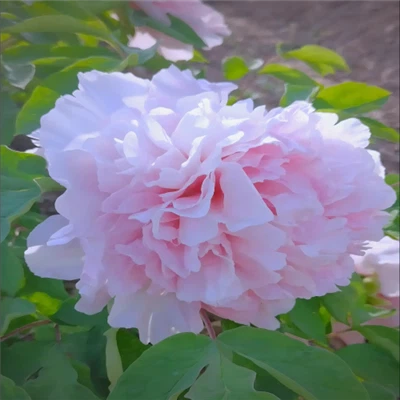
First off, the most obvious use of herbaceous peonies is for decoration. They're like the rock stars of the flower world. Their big, fluffy blossoms come in all sorts of colors - from soft pinks and whites to vibrant reds and purples. You can find them in gardens, parks, and even on the sides of roads in some areas.
In gardens, herbaceous peonies can be planted in beds or borders. They look stunning when planted in groups, creating a sea of color when they're in full bloom. For example, the Red Sandalwood Smoke Peony with its deep red petals is a real show - stopper. It can add a touch of drama to any garden.
These flowers are also a favorite for cut - flower arrangements. Their long stems and large flowers make them perfect for creating beautiful bouquets. Whether it's for a wedding, a special occasion, or just to brighten up your living room, herbaceous peonies are a top choice. The Angel Cheek Peony has soft, delicate colors that look incredibly elegant in a vase.
Medicinal Uses
Believe it or not, herbaceous peonies have been used in traditional medicine for centuries. In traditional Chinese medicine, the roots of the herbaceous peony, known as Bai Shao, are used for various health benefits.
One of the main uses is for its anti - inflammatory properties. It can help reduce swelling and pain in the body. For example, it might be used to treat arthritis or other inflammatory conditions. The peony root also contains compounds that can help relax muscles, which is beneficial for treating cramps and spasms.
It's also believed to have a calming effect on the nervous system. Some people use it to relieve stress and anxiety. Of course, if you're thinking about using herbaceous peonies for medicinal purposes, it's important to consult a professional doctor first because improper use could have negative effects.
Cultural and Symbolic Uses
Herbaceous peonies carry a lot of cultural significance in different parts of the world. In China, they are often called the "king of flowers" and are a symbol of wealth, honor, and prosperity. In traditional Chinese art and literature, peonies are frequently depicted to represent good fortune and a happy life.
In Western cultures, peonies are often associated with romance and love. They're a popular flower for weddings because they symbolize a happy and long - lasting marriage. When you give someone a peony bouquet, it's like saying, "I wish you a life full of love and happiness."
Cosmetic Uses
Peony extracts are becoming increasingly popular in the cosmetic industry. The antioxidants present in herbaceous peonies can help protect the skin from damage caused by free radicals. Free radicals are unstable molecules that can age your skin and cause things like wrinkles and fine lines.
Some skin - care products, such as moisturizers and serums, contain peony extracts to help keep the skin looking youthful and healthy. The Peach Blossom and Snow Peony has properties that are particularly beneficial for the skin because of its natural soothing and moisturizing qualities.
Essential Oil Production
The petals of herbaceous peonies can be used to produce essential oils. These essential oils have a sweet, floral fragrance that is used in the perfume industry. The oil can be used as a base note in perfumes, adding a rich and long - lasting scent.
There are also some aromatherapy benefits associated with peony essential oil. The relaxing aroma can help reduce stress and improve your mood. For example, you can use a few drops of peony essential oil in an essential oil diffuser to create a calm and peaceful atmosphere in your home.
Culinary Uses (Limited)
While not as common as the other uses, herbaceous peonies do have some limited culinary applications. In some cultures, the petals of the peony can be used to make tea. The tea has a mild, floral flavor and is said to have some health benefits similar to those of the peony root in traditional medicine.
However, it's important to note that not all parts of the peony are edible. Some parts can be toxic, so if you're thinking about using peonies in your cooking or for making tea, make sure you know which parts are safe and how to prepare them properly.
Landscaping and Erosion Control
In landscaping, herbaceous peonies can play an important role. Their dense foliage and deep root systems can help prevent soil erosion. When planted on slopes or in areas prone to erosion, the roots of the peony hold the soil in place, reducing the risk of landslides and soil runoff.
Varieties like the Blue Fuji Peony and the Charles White Peony can be used in large - scale landscaping projects to add beauty while also providing a practical function.
In conclusion, herbaceous peonies are incredibly versatile flowers. Whether you're looking to add some beauty to your garden, improve your health, or create a lovely perfume, there's a use for these stunning blooms. If you're interested in purchasing herbaceous peonies for any of these purposes, don't hesitate to get in touch. We've got a wide range of different varieties available, and we're always happy to help you find the perfect ones for your needs. Let's have a chat about how we can make your peony dreams come true!