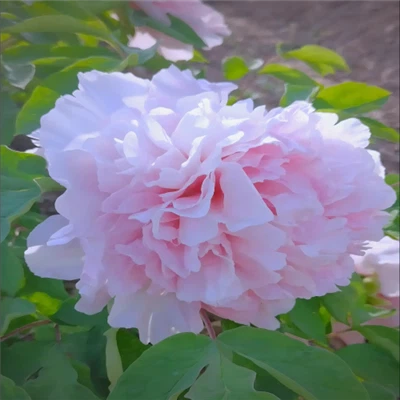
Orange Tree Peonies, renowned for their captivating blooms, also possess leaves with distinct features that set them apart in the world of peonies. As a trusted Orange Tree Peony supplier, I've had the privilege of closely observing and learning about these beautiful plants and their remarkable foliage.
Morphology of Orange Tree Peony Leaves
The leaves of Orange Tree Peonies are typically compound, with a complex structure that adds to their aesthetic appeal. Each leaf is composed of multiple leaflets, usually arranged in an alternate pattern along the leaf stalk. The number of leaflets can vary, but it's common to find leaves with three, five, or even seven leaflets. This compound structure gives the foliage a delicate and lacy appearance, which is quite different from the simple leaves of many other plants.
The shape of the leaflets is another defining characteristic. They are often ovate or lanceolate, with a pointed tip and a slightly curved edge. The margins of the leaflets may be smooth or have shallow serrations, adding a touch of texture to the overall leaf. The surface of the leaves is smooth and shiny, reflecting light and giving them a healthy, vibrant look.
Color of Orange Tree Peony Leaves
The color of Orange Tree Peony leaves is an interesting blend of greens. In the early spring, when the leaves first emerge, they often have a fresh, bright green color that is both invigorating and eye - catching. As the season progresses, the leaves deepen in color, taking on a more mature, dark green hue. This change in color throughout the growing season adds a dynamic element to the plant's appearance.
In some cases, the veins of the leaves may have a slightly different color, often a lighter shade of green or even a hint of yellow. This color contrast between the veins and the leaf blade further enhances the visual interest of the leaves. Additionally, during the fall, the leaves of Orange Tree Peonies may undergo a beautiful color transformation, turning shades of yellow, orange, or red before eventually dropping.
Adaptability and Function of Orange Tree Peony Leaves
Orange Tree Peony leaves are well - adapted to their environment. They have a relatively thick cuticle, which is a waxy layer on the surface of the leaf. This cuticle helps to reduce water loss through evaporation, allowing the plant to survive in conditions where water may be scarce. It also provides some protection against pests and diseases, acting as a physical barrier.
The large surface area of the leaves enables them to capture a significant amount of sunlight for photosynthesis. Photosynthesis is the process by which plants convert sunlight, water, and carbon dioxide into glucose and oxygen. The efficient photosynthetic ability of Orange Tree Peony leaves is crucial for the growth and development of the entire plant, providing the energy and nutrients needed for the production of those stunning orange blooms we all love.
Comparison with Other Tree Peony Varieties
When comparing Orange Tree Peony leaves with those of other tree peony varieties such as Red Tree Peony, White Tree Peony, Blue Tree Peony, and Black Tree Peony, there are both similarities and differences.
All tree peony varieties generally have compound leaves, which is a characteristic feature of the Paeonia suffruticosa family. However, there are variations in leaf shape, size, and color. Red Tree Peony leaves may have a slightly more pointed and elongated shape compared to the more rounded leaflets of Orange Tree Peonies. White Tree Peony leaves may appear paler in color, especially in the early growth stages, giving them a more delicate look.
Blue Tree Peony leaves might have a unique bluish - green tint, which is a result of specific pigments in the leaf cells. Black Tree Peony leaves often have a darker, almost blackish - green color, creating a dramatic contrast with their bright flowers. Despite these differences, each type of tree peony leaf is uniquely adapted to support the growth and survival of its respective plant.
The Aesthetic and Horticultural Value of Orange Tree Peony Leaves
In the realm of horticulture, the leaves of Orange Tree Peonies play an important role. Their unique appearance makes them a great addition to any garden or landscape. Even when the plant is not in bloom, the foliage provides an attractive backdrop for other plants. The lacy and delicate nature of the leaves can add a touch of elegance to a flower bed, and their changing colors throughout the season offer year - round interest.
For floral designers, Orange Tree Peony leaves can be used in arrangements to add texture and volume. Their long, sturdy stems and attractive foliage make them an excellent filler or accent in floral displays. And of course, for us as suppliers, the leaves are an important part of the overall package. A healthy, vibrant set of leaves indicates a well - cared - for plant, which is likely to produce beautiful blooms in the future.
Conclusion and Call to Action
In conclusion, the leaves of Orange Tree Peonies are truly remarkable. Their unique morphology, color changes, adaptability, and aesthetic value make them a special part of these wonderful plants. Whether you're an avid gardener looking to add a splash of color and elegance to your garden, a floral designer in search of interesting foliage, or an enthusiast wanting to learn more about these beautiful peonies, Orange Tree Peonies with their distinctive leaves are a great choice.


If you're interested in purchasing Orange Tree Peonies for your garden, floral arrangements, or any other purpose, we're here to help. We offer high - quality Orange Tree Peony plants that are carefully cultivated and maintained to ensure your satisfaction. Our plants come with healthy, robust leaves that are a sign of their excellent condition. Contact us to start a procurement discussion and bring the beauty of Orange Tree Peonies into your life.