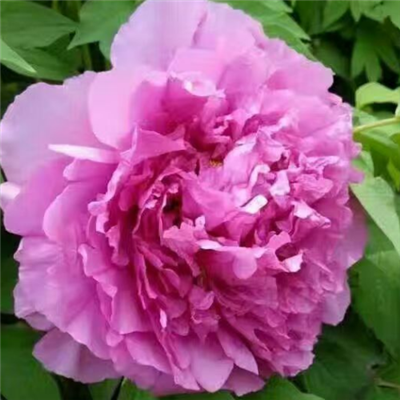
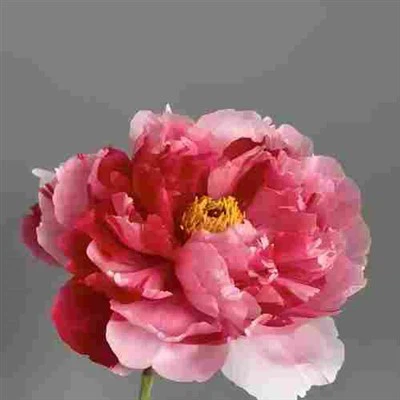
Peonies, with their large, showy blossoms and captivating fragrance, have long been a symbol of prosperity, honor, and romance in many cultures. The multi - color peonies, in particular, are a sight to behold, boasting an array of hues that range from the softest pastels to the boldest, most vibrant tones. As a multi - color peony supplier, I am often asked about the origin of these beautiful flowers, and in this blog, I will delve into the fascinating story behind their diverse colors.
The Ancient Beginnings of Peonies
The history of peonies dates back thousands of years. They are native to Asia, Southern Europe, and Western North America. In China, peonies have been cultivated for over 1500 years and are known as the "King of Flowers." The Chinese were the first to selectively breed peonies, creating a wide variety of colors and forms. Initially, the natural color range of peonies was relatively limited, with a prevalence of shades of pink, red, and white. These colors were the result of natural genetic variations and mutations that occurred over time.
Genetic Factors and Color Development
The color of a peony flower is primarily determined by the presence of pigments in its petals. The two main types of pigments responsible for the colors in peonies are anthocyanins and carotenoids. Anthocyanins are water - soluble pigments that produce colors ranging from red to purple to blue. The amount and type of anthocyanins present in a peony's petals are influenced by factors such as pH levels, temperature, and light exposure during the flower's development.
Carotenoids, on the other hand, are fat - soluble pigments that are responsible for colors such as yellow, orange, and red. The combination and concentration of these two types of pigments can result in an astonishing variety of colors. For example, a peony with a high concentration of anthocyanins and low levels of carotenoids will likely have a pink or red color, while a peony with a predominance of carotenoids may display yellow or orange hues.
Selective breeding has played a crucial role in enhancing and expanding the natural color palette of peonies. Gardeners and horticulturists have been cross - pollinating different peony varieties for centuries to create new colors and color combinations. By carefully choosing parent plants with desirable color traits, they have been able to introduce genes that code for specific pigments into the offspring.
The Role of Hybridization
Hybridization is a key process in the creation of multi - color peonies. By crossing different species and varieties of peonies, breeders can combine the genetic characteristics of each parent to produce offspring with unique color patterns. For instance, the cross between a tree peony and a herbaceous peony can result in a hybrid with both the beauty of the tree peony's large, showy flowers and the hardiness of the herbaceous peony.
Over time, hybridization has led to the development of some truly remarkable multi - color peony varieties. One of the most stunning is the Green Peony. The green color in these peonies is due to the presence of chlorophyll in the petals, which is a rare trait in flowers. Through hybridization, breeders have been able to isolate and enhance this trait, resulting in peonies with beautiful, lime - green blossoms.
Another example is the Yellow Tree Peony. These peonies were originally bred in China, where yellow was considered a royal color. By crossing different tree peony varieties with naturally yellow - tinted petals, breeders were able to create cultivars with intense, pure - yellow blooms.
The Dark Pink Peony is also a product of careful hybridization. Breeders have selected parent plants with deep pink pigments and cross - bred them to produce peonies with rich, velvety dark pink flowers that are incredibly eye - catching.
The Orange Tree Peony is a relatively recent addition to the peony color palette. By combining the genes for orange carotenoids from different peony species, breeders have been able to create peonies with bright, fiery orange blossoms that add a touch of warmth and vibrancy to any garden.
Even the Black Tree Peony, which is not truly black but a very deep, dark red, is the result of hybridization. Breeders have worked to intensify the anthocyanin pigments in the petals to create the illusion of a black flower, which is highly sought after for its dramatic appearance.
Environmental Influences on Color
While genetics play the most significant role in determining a peony's color, the environment can also have an impact. Temperature, light, and soil conditions can all affect the intensity and shade of the flower's color. For example, peonies grown in cooler temperatures may have more intense colors, while those grown in warmer climates may have slightly paler blooms.
Light exposure is also crucial. Peonies that receive full sun tend to have more vibrant colors than those grown in partial shade. The quality of the soil, including its pH level and nutrient content, can also influence color development. For instance, a soil with a slightly acidic pH may enhance the red and purple colors of anthocyanin - rich peonies.
The Future of Multi - Color Peonies
The world of multi - color peonies is constantly evolving. As genetic research and breeding techniques continue to advance, we can expect to see even more unique and spectacular color combinations in the future. Scientists are now exploring the use of genetic engineering to introduce new color traits into peonies, although this remains a controversial area.
Regardless of the methods used, the demand for multi - color peonies is on the rise. Their beauty and diversity make them a popular choice for gardeners, florists, and flower enthusiasts alike. As a multi - color peony supplier, I am excited to be part of this growing industry and to offer customers a wide selection of these stunning flowers.

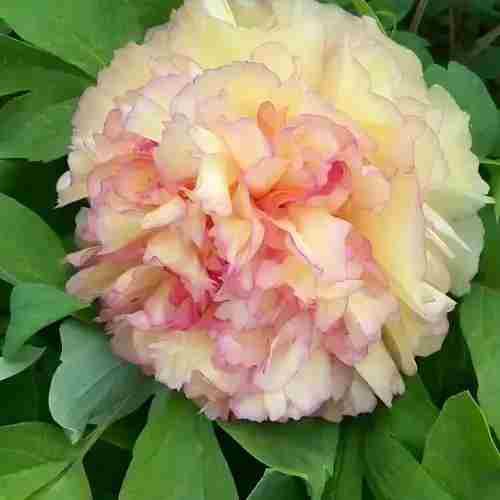
Why Choose Our Multi - Color Peonies
At our supply, we take pride in offering the highest quality multi - color peonies. Our peonies are carefully cultivated in ideal growing conditions, ensuring that they develop strong, healthy roots and produce vibrant, long - lasting flowers. We work closely with expert breeders to source the latest and most unique color varieties, so you can be sure to find something truly special for your garden or floral arrangements.
Whether you are a professional florist looking to add a touch of elegance to your bouquets or a home gardener wanting to create a colorful oasis in your backyard, our multi - color peonies are the perfect choice. We offer a range of sizes and varieties to suit different needs and preferences, and our knowledgeable staff is always on hand to provide advice and guidance.
If you are interested in purchasing multi - color peonies, we invite you to reach out to us to start a procurement discussion. We are committed to providing excellent customer service and ensuring that you have a seamless purchasing experience. Contact us today to learn more about our products and to explore the wonderful world of multi - color peonies.