


Hey there, peony lovers! I'm a supplier of Black Lady Peonies, and I often get asked about the best time to transplant these gorgeous flowers. So, I thought I'd share my knowledge with you all.
Understanding the Black Lady Peony
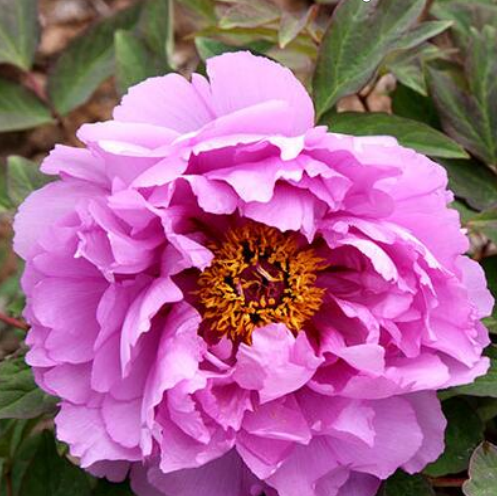
First off, let's talk a bit about the Black Lady Peony. It's a real stunner, with its deep, dark petals that almost look black in certain lights. These peonies are known for their large, showy blooms and their ability to add a touch of elegance to any garden. They're not just beautiful, though; they're also relatively easy to care for, which makes them a popular choice among gardeners.
But like all plants, the Black Lady Peony has its own set of needs and preferences, especially when it comes to transplantation. Transplanting a peony is a delicate process, and getting the timing right is crucial for the plant's survival and future growth.
The Ideal Transplanting Time
So, when is the best time to transplant Black Lady Peonies? The short answer is late summer to early fall. This period, typically from late August to early October in most regions, is ideal for several reasons.
During late summer to early fall, the peony is in a semi-dormant state. The plant has finished flowering for the year, and its energy is starting to shift towards storing nutrients in its roots rather than producing new growth above ground. This means that the peony is better able to handle the stress of being dug up and moved.
Another advantage of transplanting in the fall is that the soil is still warm from the summer months. This warm soil encourages root growth, allowing the peony to establish a strong root system before the cold winter sets in. A well-established root system is essential for the plant's survival during the winter and for its healthy growth in the following spring.
Why Not Transplant in Spring?
You might be wondering why we don't recommend transplanting Black Lady Peonies in the spring. Well, spring is a time of rapid growth for peonies. When you transplant a peony in the spring, you're essentially interrupting this growth cycle. The plant has to focus its energy on recovering from the transplant rather than on producing new shoots and flowers. As a result, the peony may not bloom as well in the first year after transplantation, and it may take longer to fully recover.
Preparing for Transplantation
Before you start digging up your Black Lady Peony, there are a few things you need to do to prepare. First, choose a new planting site that gets plenty of sunlight. Peonies need at least six hours of direct sunlight per day to thrive. The soil should be well-drained, rich in organic matter, and have a slightly acidic to neutral pH.
Next, gather all the tools you'll need, including a sharp spade, a garden fork, and a bucket. You'll also need some compost or well-rotted manure to add to the new planting hole.
The Transplanting Process
To transplant your Black Lady Peony, start by digging a wide circle around the plant, about 12 to 18 inches away from the base. Use the spade to cut through the roots, then carefully lift the plant out of the ground. Try to keep as much of the root ball intact as possible.
Once the plant is out of the ground, gently shake off any excess soil. You can then use the garden fork to loosen the roots a bit. If the roots are very long or tangled, you can trim them back slightly, but be careful not to remove too much.
Next, dig a new planting hole in the prepared site. The hole should be deep enough to accommodate the root ball and wide enough to allow the roots to spread out. Place the peony in the hole, making sure that the eyes (the small, pinkish buds at the top of the roots) are no more than 2 inches below the soil surface. If the eyes are planted too deep, the peony may not bloom.
Fill in the hole with soil, gently firming it down around the roots. Water the plant thoroughly to help settle the soil and remove any air pockets.

Aftercare
After transplanting, it's important to take good care of your Black Lady Peony. Water the plant regularly, especially during dry spells, but be careful not to overwater. Peonies don't like to sit in wet soil, as this can lead to root rot.
You can also add a layer of mulch around the base of the plant to help retain moisture and suppress weeds. Just make sure that the mulch doesn't touch the stems of the peony, as this can cause them to rot.
In the first year after transplantation, you may notice that the peony doesn't bloom as well as it did before. This is normal, as the plant is still recovering from the stress of being moved. Be patient, and with proper care, your Black Lady Peony should start to bloom beautifully again in the following years.
Other Peony Varieties
If you're interested in adding more peonies to your garden, there are several other beautiful varieties to choose from. Check out Zhaofen Peony, Paeonia Suffruticosa "Yao Huang", Blue Hibiscus Peony, Snow Reflects Peach Blossoms and Peonies, and Fragrant Jade Peony. Each of these varieties has its own unique characteristics and beauty, and they can all thrive in the right conditions.
Contact Us for More
If you're looking to purchase Black Lady Peonies or any of the other peony varieties I mentioned, I'd love to hear from you. Whether you're a professional gardener, a hobbyist, or someone who just wants to add a touch of beauty to their garden, we have the perfect peonies for you. We offer high-quality plants at competitive prices, and we're committed to providing excellent customer service.
So, don't hesitate to reach out to us if you have any questions or if you're ready to place an order. Let's work together to create a garden full of stunning peonies!


