


If you've ever wandered through a peony garden in late spring, you know the magic of those lush, ruffled blooms-especially the Black Lady peony, a deep, velvety variety that feels almost like holding a piece of twilight in your hands. As a supplier who's spent years growing and caring for these stunning plants, I've learned that the secret to keeping Black Lady peonies healthy and vibrant isn't just about watering them on a schedule. It's about staying one step ahead of the pests and diseases that can turn a promising bud into a fading bloom. Today, I'm sharing the practical, science-backed strategies I use in my own fields to protect Black Lady peonies-strategies that work whether you're growing a single plant in a backyard or a row for a small garden center.
First, let's start with the basics: understanding what Black Lady peonies need to thrive, because healthy plants are far more resistant to stress and disease. Peonies, especially tree peony varieties like Black Lady, have specific growing requirements that set them apart from herbaceous peonies. If you're new to tree peonies, you might want to check out this resource on Field Grown Tree Peonies to get a better sense of their growth habits and needs. Tree peonies, unlike their herbaceous cousins, have woody stems that persist year-round, which means their root systems and above-ground growth are a bit more robust-and a bit more prone to certain pests if not cared for correctly.
The first line of defense against pests and diseases is proper planting and site selection. Black Lady peonies, like most peonies, need at least six hours of direct sunlight each day. Planting them in a shady spot might seem like a good idea for a tender bloom, but it creates the damp, cool conditions that fungi love-one of the biggest threats to peony health. When you plant your Black Lady, make sure the graft union (the swollen spot where the tree peony is joined to a rootstock) is no more than 2 inches below the soil surface. If you plant it too deep, the stems might grow weak, and the plant will be more susceptible to rot. I also recommend spacing your peonies at least 3 to 4 feet apart. Good air circulation isn't just a nicety-it's a disease-fighting essential. When plants are too close together, moisture lingers on the leaves and stems, creating the perfect environment for botrytis blight, powdery mildew, and other fungal diseases.
Speaking of fungal diseases, botrytis blight (also called gray mold) is the most common issue I see with Black Lady peonies, especially in areas with heavy spring rains. Botrytis starts small-usually with a brown spot on a new bud or leaf-and can quickly spread, turning entire blooms mushy and gray. To prevent this, I practice "good housekeeping" in my fields all year round. In the fall, after the leaves have died back, I remove all the debris from around the base of the peony. This includes fallen leaves, old stems, and any dead blooms. Botrytis overwinters in this debris, so getting rid of it removes the source of next year's infections. I also avoid watering my peonies from above. Sprinklers can wet the leaves and stems, which is exactly what botrytis needs to grow. Instead, I use soaker hoses or drip irrigation to water the soil directly, keeping the foliage dry.
Another fungal disease that can affect Black Lady peonies is powdery mildew. It shows up as a white, powdery coating on the leaves, and while it's rarely fatal, it can weaken the plant over time, making it more vulnerable to pests and other diseases. Powdery mildew thrives in warm, humid conditions with poor air flow, so the spacing and sunlight tips I mentioned earlier apply here too. If you do spot early signs of powdery mildew, you can use a homemade solution of 1 teaspoon of baking soda mixed with 1 quart of water and a drop of dish soap. Spray it on the affected leaves every 7 to 10 days, and make sure to coat the undersides of the leaves, where mildew often starts. For more persistent cases, a fungicide labeled for use on peonies can help-just be sure to follow the instructions carefully, as overusing chemicals can harm beneficial insects that help keep pests in check.

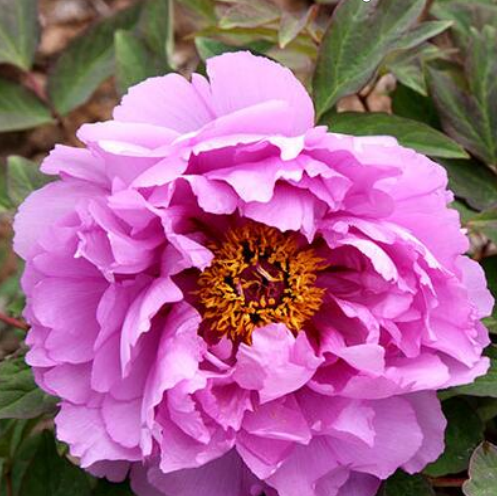
Now, let's talk about pests. The main culprits for Black Lady peonies are aphids, scale insects, and spider mites. Aphids are small, soft-bodied insects that cluster on new growth, sucking sap from the stems and leaves. Heavy infestations can cause leaves to curl and turn yellow, and they excrete a sticky substance called honeydew that can attract ants and encourage fungal growth. I've found that the best way to control aphids is to act early. If you see a small cluster of aphids, you can spray them off with a strong stream of water from a hose-this works surprisingly well, and it's chemical-free. For larger infestations, ladybugs and lacewings are natural predators that love to eat aphids. You can attract them to your garden by planting flowers like dill, fennel, or yarrow nearby. If you're growing multiple peony varieties, you might also want to look into resources for other peonies, like the Blue Hibiscus Peony, which has similar pest needs, to create a balanced garden ecosystem.
Scale insects are another pest that can hide on the woody stems of tree peonies like Black Lady. They look like small, brown or tan bumps, and they also suck sap from the plant. If you see scale, you can gently scrub the stems with a soft brush and soapy water in late winter, before new growth starts. This removes the scale insects and their egg cases, preventing them from spreading. Spider mites are more common in hot, dry weather. They're tiny, so you might not see them at first, but you'll notice the damage: fine webbing on the undersides of leaves, and leaves that turn yellow and stippled. To prevent spider mites, keep your peonies well-watered during dry spells, and mist the leaves occasionally-spider mites hate humidity. If you do get an infestation, insecticidal soap can work, but make sure to spray the undersides of the leaves, where the mites live.
One of the most important things I've learned as a Black Lady peony supplier is that prevention is always better than treatment. That's why I'm careful about the stock I choose to grow. I only use healthy, disease-free rootstock for grafting, which reduces the risk of introducing pests or diseases to my fields. When I sell peonies to customers, I also give them a care sheet with specific tips for their variety, because different peonies have different needs. For example, tree peonies like Black Lady grow slower than herbaceous peonies, so they don't need as much fertilizer-but when they do need it, a balanced, slow-release fertilizer in early spring is best. Too much fertilizer can cause soft new growth that's more susceptible to pests and diseases. If you're interested in other tree peony varieties, you might check out the Zhaofen Peony, which is prized for its bright pink blooms and similar growing habits to Black Lady.
Another key part of pest and disease prevention is monitoring your peonies regularly. I walk through my fields at least once a week during the growing season, looking for any signs of trouble: unusual spots on leaves, buds that aren't opening, or webbing on stems. Catching a problem early makes it much easier to fix-you might only need to remove a few affected leaves or stems, rather than dealing with a full infestation. I also make sure to rotate my crops if I ever move peonies to a new spot, but since tree peonies can live for decades, most people don't move them often. Instead, I focus on maintaining healthy soil. Peonies grow best in fertile, well-drained soil. Adding a layer of organic mulch, like shredded bark or compost, around the base of the plants helps retain moisture, regulate soil temperature, and add nutrients over time. Just don't pile the mulch up against the stems-this can create damp conditions that lead to rot.
Wait a second-let me be honest here. Even with all the best care, peonies can still get sick or attract pests. That's why I always tell my customers not to get discouraged if it happens. The key is to act quickly and use integrated pest management (IPM) strategies, which combine cultural, biological, and chemical controls in a way that's safe for the plant and the environment. For example, if you have a case of botrytis blight, you might remove the affected parts, improve air circulation, and use a organic fungicide if needed-rather than immediately reaching for a harsh chemical. It's also important to remember that some "problems" are just part of growing peonies. For example, peony buds sometimes fail to open, a condition called bud blast. This can be caused by a few things: too little water during bud development, extreme temperatures, or a nutrient deficiency. It's not a pest or disease, but it's a stress that can make the plant more vulnerable to other issues. Making sure your Black Lady peony gets consistent water during the spring, especially when buds are forming, can help prevent bud blast.
Now, if you're looking to grow Black Lady peonies for yourself, or if you're a garden center owner looking to add them to your stock, it's important to source your plants from a reputable supplier. As someone who's been in the business for years, I know that a healthy peony starts with a healthy root system. When you buy a grafted tree peony, like Black Lady, make sure the graft union is clearly visible and looks strong-no signs of rot or damage. If you're new to tree peonies, taking the time to learn about their specific needs (beyond just general peony care) will pay off in healthier plants that are more resistant to pests and diseases. For example, the Paeonia Suffruticosa "Yao Huang" is a popular tree peony variety that has similar growth requirements to Black Lady, so many of the same care tips apply.
I also want to mention the role of beneficial insects in keeping peonies healthy. Ladybugs, lacewings, and even bees help control pests like aphids and spider mites. Planting a variety of flowers around your peonies-including some that bloom at the same time as your peonies and some that bloom earlier or later-attracts these helpful insects to your garden. The Fragrant Jade Peony, for example, has a strong scent that attracts pollinators, which in turn help keep the pest population in check. It's a cycle that works when you work with nature, not against it.
As we head into the growing season, I always remind myself (and my customers) that patience is key. Peonies are long-lived plants, and a little extra care in prevention will go a long way in keeping Black Lady peonies looking their year. The deep, rich blooms of the Black Lady are worth the effort-there's nothing quite like seeing them open up on a late spring day, knowing you've done everything to help them thrive.
If you're ready to add Black Lady peonies to your garden, or if you have questions about growing and caring for these stunning plants, I'd love to hear from you. Whether you're a home gardener looking for a few plants or a larger operation in need of consistent stock, we can discuss your needs and find the right solution for you. Don't hesitate to reach out for more information or to start your procurement process.


