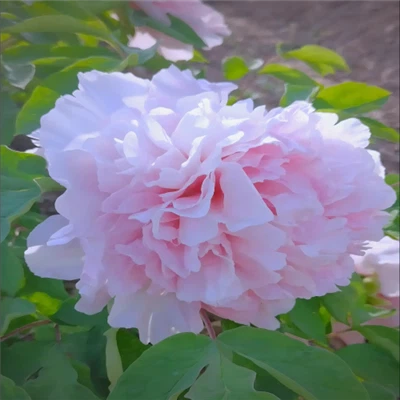
Hey everyone, it's Jake here from the peony supply team, and today I'm answering one of the most common questions I get from gardeners, landscapers, and even other growers: Can Green Peony be grown in a greenhouse? Short answer? Heck yeah-but it's not as simple as just sticking a potted plant under some grow lights and calling it a day. Green peonies are such a unique, standout variety (you can check 'em out for yourself at the [Green Peony] page) that growing 'em in a greenhouse requires tweaking a few key things to keep 'em looking their iconic, lush green best. Let me break this down like I would for a new grower who just sent me a DM asking for tips.
First off, let's get one thing straight: green peonies aren't the same as your classic pink peony you see every spring. They're a tree peony, which means they have woody stems instead of herbaceous peonies' soft, dying-back-every-year stems. I've grown all sorts of peony colors over the years-from bright orange tree peonies (great for adding a pop to a border) to deep dark pink peonies that make a statement in cut arrangements-but green peonies have a totally different set of needs, especially when grown in a controlled greenhouse space. If you're thinking about adding greenhouse-grown green peonies to your order, you need to know how we (and other commercial growers) pull it off.
Let's start with light, because that's the biggest factor for peony growth, full stop. Tree peonies, including green varieties, need a lot of sunlight to set buds and flower well. Outside, they get 6+ hours of direct sun a day during their growing season, but in a greenhouse, you can't just leave them under unfiltered glass-especially if you're in a hotter climate. Too much direct sunlight through glass can scorch the tender petals of green peonies (we've all been there: you tweak the vents, forget a pot, and suddenly half the blooms are brown around the edges). That's why we use a light-diffusing film on our greenhouse roof for spring and early summer, which cuts the intensity by about 20% but keeps the light levels high enough for photosynthesis. For reference, dark pink peonies and pink tree peonies can handle a little more direct sun, but green peonies are more sensitive-their pale green petals don't have the same UV protection as darker-colored blooms. I learned that the hard way last year when I moved 20 young green peony plants too close to a south-facing greenhouse wall; by bud break, half of 'em had burn spots.
Next up: temperature and humidity control, which is where greenhouses really shine (or become a headache if you don't nail it). Green peonies need a chilling period in late winter to break dormancy-they can't just sit in warm greenhouse soil all winter and bloom. Outside, they get that naturally from cold temperatures, but in a greenhouse, we have to simulate that: we keep the greenhouse at 32–40°F (0–4°C) for 6–8 weeks, usually from December to early February. Too little chill time, and you'll get stunted buds that never open. Once buds start swelling, we bump the temperature up to 55–65°F (13–18°C) during the day, and 45–50°F (7–10°C) at night. Fluctuations past that-like nights dropping below 40°F in spring-can kill buds, and days over 75°F (24°C) will make the blooms fade super fast. Humidity is another big one: green peonies hate soggy air, which leads to powdery mildew or botrytis. We keep humidity between 40–60% in the greenhouse by using a small fan to circulate air, and only watering early in the morning so any excess moisture on leaves can evaporate by midday. I've had friends who grow blue tree peonies swear by misting, but I'd never do that with green peonies-their petals hold onto moisture and spot way easier.
Soil and potting mix is next, and this is where greenhouse-grown peonies differ from in-ground ones. Green peonies have deep taproots, so if you're growing 'em in pots (which most small-scale greenhouse ops do, since they're easier to move for chilling periods), you need a deep pot-at least 18 inches, no skimping. The soil mix needs to be well-draining, but nutrient-rich. We use a blend of 60% peat moss, 20% perlite, and 20% aged compost, plus a slow-release 10-10-10 fertilizer at planting time. Too much nitrogen, and you'll get all leafy growth and no blooms-big mistake I made my first year growing green peonies in the greenhouse. I was so focused on making 'em grow fast that I overdid the nitrogen, and they put out huge leaves but zero buds. For other peony varieties like orange tree peonies, they can handle a little more nitrogen, but green peonies are finicky that way. Also, make sure the pot has at least four drainage holes-no standing water around the roots, ever, or you'll get root rot, which is the #1 killer of potted greenhouse peonies.
Wait, let's talk about bloom time too-one of the biggest perks of growing green peonies in a greenhouse is that you can control when they flower. Outdoors, they bloom in mid-spring, but in a greenhouse, we can time the chill period and temperature to have them bloom for late winter events, spring weddings, or even for markets when other peonies aren't available. Last year, I supplied a wedding venue with 50 greenhouse-grown green peonies for a February event, which was a huge win-no other local growers had green peonies blooming that early. But to do that, you have to adjust the chilling period timeline: if you want blooms in February, you start the chill period in late November, then bump up the temperature in mid-January. It takes a little trial and error, but once you figure out your greenhouse's specific conditions, it's doable. We also grow other varieties year-round in the greenhouse too-you can check our peony color palette for different options, like [Pink Tree Peony] or [Dark Pink Peony], if you need blooms for different times.
Now, let's get real about the challenges. Greenhouse growing means you're in a closed system, so pests and diseases can spread fast if you don't stay on top of it. For peonies in general, aphids are the main pest, but green peonies seem to attract them a little more than darker varieties. We use a combination of neem oil (organic, so it's safe) and ladybugs (natural pest control) to keep aphids in check. We also remove any dead leaves or spent blooms immediately to prevent fungal growth. Another challenge is leggy growth-if your greenhouse isn't getting enough light, the stems will stretch, and the plant won't support the heavy green blooms. We use grow lights for a few hours in the middle of the day during the darkest winter months, which keeps the stems sturdy. I never tried grow lights for orange tree peonies before, but the first time I used 'em for green peonies, I noticed a huge difference in stem strength-no more floppy stems that would tip over with a light wind from the fan.
Wait, should you grow green peonies in a greenhouse vs. outside? That's a fair question. If you have a spot in your yard with 6+ hours of direct sun, well-draining soil, and good air flow, outdoor grown might be easier, but greenhouse grown gives you more control over bloom time and protects the blooms from late frosts (which can wipe out an entire season's worth of outdoor peony buds). We've had years where a late April frost hit our outdoor peonies hard, but our greenhouse ones were totally fine, since we could keep the temperature above freezing with portable heaters. For commercial growers like us, it's worth the extra work to have a consistent supply of green peonies year-round (well, almost year-round-they need that chill period, so we can't grow them non-stop, but we can stagger planting times to have blooms from late winter to early summer).
Let me throw in a quick personal tip: I've found that green peonies grown in slightly smaller pots (18 inches vs. 24 inches) actually bloom better, because they get a little root-bound, which triggers bud formation. I used to put 'em in big pots thinking they'd have more room to grow, but after 2 years of experimenting, the smaller pots gave me 20% more blooms. Just make sure you water them more often in smaller pots, since the soil dries out faster. Also, deadheading is important-after the blooms fade, snip off the spent flower, but leave the leaves, because they photosynthesize and feed the plant for next year. I've seen new growers cut back all the stems after blooming, which kills the plant's energy, so it won't bloom the next year. That's a mistake I made early on with blue tree peonies, and it took a full year for those plants to bounce back.


So, to wrap this up: Can Green Peony be grown in a greenhouse? 100% yes. It just takes paying attention to light levels, temperature, humidity, soil, and pest control-all things you can adjust in a greenhouse that you can't control outside. If you're a gardener looking to try growing your own green peonies in a small greenhouse or even a sunroom, start with a young, established plant (don't try to grow from seed, that'll take forever), use a deep, well-draining pot, and get the chilling period right. If you're a landscaper or event planner needing consistent green peony blooms, hit us up to chat about availability-we've got greenhouse-grown green peonies for spring events, and we can plan ahead for custom orders. We also have other peony varieties if green is exactly what you need, or if you want to mix it up with [Orange Tree Peony] or [Dark Pink Peony] for a different look.
The takeaway here is that green peonies aren't as high-maintenance as some people think, as long as you mimic their natural growing conditions in a controlled space. Greenhouses are perfect for that-they let you protect the plants from extreme weather, adjust bloom times, and keep the conditions just right for those iconic, soft green blooms. I've been growing green peonies in our greenhouse for 5 years now, and it's by far one of our most popular varieties, especially for weddings and high-end floral arrangements. If you have any questions about growing green peonies, or if you're ready to place an order, just reach out to our team-we're here to help make your peony dreams a reality.