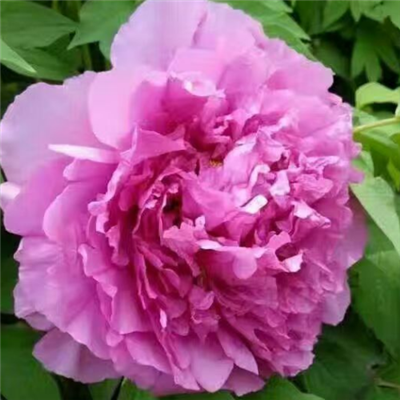
Hey there, fellow peony enthusiasts! As a Dutch peony supplier, I've had my fair share of experiences with storing those beautiful peony bulbs. And let me tell you, it's not as tricky as it might seem at first. In this blog, I'll walk you through the ins and outs of storing Dutch peony bulbs so you can keep them in tip - top shape until it's time to plant them.


Why Proper Storage Matters
First off, you might be wondering why it's so important to store these bulbs correctly. Well, Dutch peonies are a real gem, and their bulbs are the key to those stunning blooms. If you don't store them right, you could end up with bulbs that are either too dry, too wet, or just plain spoiled. And that means no beautiful Blue Fuji Peony Blue Fuji Peony, Yellow Peony Seedlings Yellow Peony Seedlings, or Angel Cheeks Peony Angel Cheeks Peony for you in the next season.
Pre - storage Preparation
Before you even think about storing the bulbs, you've got to get them ready. When you dig up the peony bulbs (usually in the fall), gently brush off any excess soil. Don't wash them with water because that can introduce moisture and lead to rot. Inspect each bulb carefully. Look for any signs of damage, like cuts, bruises, or mold. If you find a damaged bulb, it's best to separate it from the healthy ones. You can try to salvage it, but it might be a lost cause.
Choosing the Right Storage Container
Now, let's talk about the container. You don't want to just throw the bulbs in a random box and call it a day. A good option is a mesh bag or a crate with holes. This allows for air circulation, which is super important. Avoid using plastic bags that don't breathe because they can trap moisture and create a breeding ground for fungi. You can also use wooden crates lined with a layer of peat moss or sawdust. It gives the bulbs a soft place to rest and helps maintain a bit of humidity.
Ideal Storage Conditions
Temperature is a big deal when it comes to storing Dutch peony bulbs. You want to keep them in a cool, but not freezing, environment. A temperature range of 35°F to 45°F (1.7°C to 7.2°C) is ideal. A basement or a root cellar can be a great spot. Just make sure it doesn't get too cold in the winter. If you live in an area where it gets really cold, you might need to insulate the storage area.
Humidity is another factor. You don't want the bulbs to dry out completely, but you also don't want them to be too moist. Aim for a relative humidity of around 60% to 70%. If the air is too dry, you can place a small bowl of water near the bulbs to add a bit of moisture. If it's too humid, you might need to use a dehumidifier.
Monitoring the Bulbs
Once you've stored the bulbs, you can't just forget about them. Check on them every few weeks. Look for any signs of mold, rot, or sprouting. If you see mold, gently wipe it off with a dry cloth. If a bulb is starting to rot, remove it immediately to prevent the spread of the problem. If a bulb starts to sprout, it might be getting too warm. You can try moving it to a cooler spot.
Long - term Storage Tips
If you need to store the bulbs for a longer period, say over a year, you might need to take a few extra steps. Every few months, you can gently turn the bulbs in the container. This helps prevent them from developing flat spots on one side. You can also add a bit of fresh peat moss or sawdust to the container to keep the environment fresh.
When to Take Them Out of Storage
As the planting season approaches (usually in the fall for most regions), it's time to take the bulbs out of storage. Inspect them one last time. They should be firm and plump. If they're still in good condition, you're ready to plant them. Soak the bulbs in lukewarm water for a few hours before planting. This helps rehydrate them and gives them a good start.
Conclusion
Storing Dutch peony bulbs isn't rocket science, but it does require a bit of attention. By following these steps, you can ensure that your bulbs stay healthy and ready to produce those amazing blooms. Whether you're a home gardener or a professional landscaper, proper storage is the key to a successful peony garden.
If you're interested in purchasing Dutch peony bulbs, I'd love to have a chat with you. Just reach out, and we can discuss your needs and how we can work together to make your peony dreams come true.
References
- American Peony Society. "Peony Bulb Storage Guidelines."
- Royal Horticultural Society. "Storing Bulbs for the Off - Season."