Distinguishing Qingwen Peony from other flowers can be a fascinating yet challenging task, especially for those new to the world of peonies. As a supplier of Qingwen Peony, I've had the privilege of closely observing these magnificent blooms and learning the nuances that set them apart. In this blog post, I'll share some key characteristics and tips to help you tell Qingwen Peony from other flowers, particularly other types of peonies.
Physical Appearance
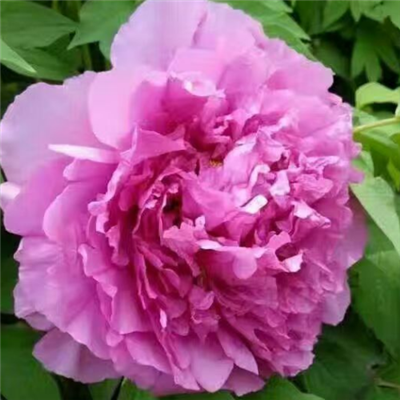
One of the most obvious ways to distinguish Qingwen Peony is through its physical appearance. Qingwen Peony typically has large, showy flowers with multiple layers of petals. The petals are often soft and velvety to the touch, giving the flower a luxurious and elegant look. The color of Qingwen Peony can vary, but it commonly features shades of pink, ranging from pale blush to deep rose. The center of the flower may have a cluster of yellow stamens, adding a pop of color and contrast.
In comparison, other types of peonies may have different petal shapes, colors, and arrangements. For example, the Red Sandalwood Smoke Peony has a unique smoky red color, which is quite distinct from the typical pink hues of Qingwen Peony. The Golden Wheel Peony is known for its bright yellow petals, making it easy to tell apart from Qingwen Peony. And the Yang Fei Emerging From Her Bath with Peony has a more delicate and pastel color palette, often featuring soft pinks and whites.
Another aspect of physical appearance to consider is the size and shape of the plant itself. Qingwen Peony plants are usually medium to large in size, with sturdy stems that can support the weight of the large flowers. The leaves are typically dark green and have a compound structure, with multiple leaflets arranged along a central stem. Other peony varieties may have different leaf shapes and sizes, which can also help in identification.
Bloom Time
The bloom time of Qingwen Peony is another important factor to consider when distinguishing it from other flowers. Qingwen Peony typically blooms in late spring to early summer, usually around May or June, depending on the climate and growing conditions. This is a relatively specific time frame, and if you see a peony blooming outside of this period, it's likely to be a different variety.
Some other peony varieties may have earlier or later bloom times. For example, some early-blooming peonies may start flowering in April, while late-blooming varieties may not bloom until July or August. By knowing the typical bloom time of Qingwen Peony, you can narrow down the possibilities and more easily identify the flower.
Fragrance
The fragrance of a flower can also be a useful clue in distinguishing Qingwen Peony from other flowers. Qingwen Peony has a sweet, floral fragrance that is often described as being both delicate and intoxicating. The scent is not overpowering but is noticeable when you get close to the flower.
Not all peonies have a strong fragrance, and the intensity and type of fragrance can vary among different varieties. Some peonies may have a citrusy or spicy fragrance, while others may have a more subtle or faint scent. By comparing the fragrance of the flower in question to the known fragrance of Qingwen Peony, you can get a better idea of whether it's the right variety.


Growing Conditions
Understanding the growing conditions that Qingwen Peony prefers can also help in identification. Qingwen Peony thrives in full sun to partial shade and requires well-drained soil that is rich in organic matter. It is relatively hardy and can tolerate a wide range of temperatures, but it prefers a cool to moderate climate.
If you're trying to identify a peony growing in a particular location, consider the growing conditions. If the plant is growing in a shady area with poor drainage, it's less likely to be Qingwen Peony. On the other hand, if it's growing in a sunny spot with well-drained soil, it has a higher chance of being Qingwen Peony.
Cultural and Historical Significance
In addition to the physical characteristics, bloom time, fragrance, and growing conditions, the cultural and historical significance of Qingwen Peony can also provide some context for identification. Qingwen Peony has a long history in Chinese culture and is often associated with beauty, prosperity, and good fortune. It has been cultivated for centuries and is highly prized for its ornamental value.
Other peony varieties may have different cultural and historical associations. By learning about the cultural significance of different peony varieties, you can gain a deeper understanding of the flower and more easily distinguish Qingwen Peony from others.
Conclusion
Distinguishing Qingwen Peony from other flowers requires a combination of careful observation, knowledge of the flower's characteristics, and an understanding of its growing conditions and cultural significance. By paying attention to the physical appearance, bloom time, fragrance, and other factors, you can become more confident in identifying Qingwen Peony and appreciating its unique beauty.
If you're interested in purchasing Qingwen Peony for your garden or floral arrangements, I invite you to reach out to me. As a supplier of high-quality Qingwen Peony, I can provide you with healthy plants and expert advice on growing and caring for them. Whether you're a seasoned gardener or a beginner, I'm here to help you bring the beauty of Qingwen Peony into your life.
References
- "Peonies: A Gardener's Guide" by David C. Zlesak
- "The Peony: History, Culture, and Gardening" by Susan B. Hilsenbeck
- Various online resources on peony cultivation and identification