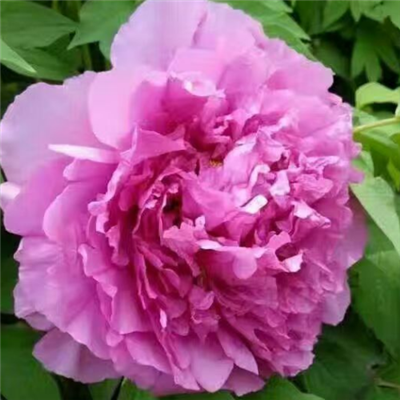
Hey there, peony lovers! I'm a supplier of the stunning Blue Fuji Peony, and I'm super excited to share some tips on how to monitor the health of these beauties. Whether you're a gardener, a florist, or just someone who appreciates the elegance of peonies, this guide will help you keep your Blue Fuji Peonies in tip-top shape.


Understanding the Blue Fuji Peony
First off, let's get to know the Blue Fuji Peony a bit better. This variety is a real showstopper, with its soft, blue-tinged petals that just look magical. It's part of the herbaceous peony family, known for their large, fragrant blooms. If you want to learn more about it, you can check out the Blue Fuji Peony page on our website.
Soil Conditions
One of the key factors in monitoring the health of your Blue Fuji Peonies is the soil. These peonies prefer well-drained soil that's rich in organic matter. Before planting, it's a good idea to test the soil pH. Blue Fuji Peonies like a slightly acidic to neutral pH, around 6.5 to 7.0. You can pick up a soil testing kit at your local garden center.
If the soil is too heavy or clay-like, it can cause waterlogging, which is a big no-no for peonies. To improve drainage, you can add some compost or sand to the soil. On the flip side, if the soil is too sandy, it won't hold enough nutrients. In that case, adding some organic fertilizer can help.
Watering
Watering is another crucial aspect. Blue Fuji Peonies need regular watering, especially during the growing season. But you don't want to overdo it. Overwatering can lead to root rot, which can kill your peonies. A good rule of thumb is to water deeply once or twice a week, depending on the weather.
During hot, dry spells, you might need to water more often. But make sure the soil has a chance to dry out a bit between waterings. You can check the soil moisture by sticking your finger about an inch into the soil. If it feels dry, it's time to water.
Sunlight
These peonies love sunlight, but they also need a bit of protection from the intense afternoon sun. Aim for at least 6 hours of sunlight a day, but try to provide some shade during the hottest part of the day, especially in the summer. If your peonies aren't getting enough sunlight, they might not bloom as well or could become leggy.
Pests and Diseases
Just like any other plant, Blue Fuji Peonies can be susceptible to pests and diseases. Some common pests include aphids, spider mites, and thrips. These little critters can suck the sap from the leaves and flowers, causing damage. You can use insecticidal soap or neem oil to get rid of them.
As for diseases, botrytis blight is a common one. It shows up as gray mold on the leaves and flowers. To prevent this, make sure there's good air circulation around the plants. Remove any dead or infected leaves and flowers promptly.
If you're interested in other peony varieties, you might want to check out the Red Charm Peony or the Coral Sunset Peony. They're both beautiful and have their own unique characteristics.
Monitoring Growth and Blooms
Keeping an eye on the growth and blooms of your Blue Fuji Peonies is a great way to gauge their health. In the spring, you should start to see new shoots emerging. If the shoots are weak or stunted, it could be a sign of a problem with the soil, water, or nutrients.
As the plants grow, look for signs of healthy foliage. The leaves should be a rich green color and free from spots or discoloration. When it's time for the peonies to bloom, you want to see large, vibrant flowers. If the blooms are small or don't open properly, it could be due to a lack of sunlight, water, or nutrients.
Fertilization
Fertilizing your Blue Fuji Peonies is important for their overall health. You can use a balanced, slow-release fertilizer in the spring when the new growth starts. Follow the instructions on the fertilizer package for the correct amount to use.
Avoid over-fertilizing, as this can lead to excessive foliage growth at the expense of blooms. You can also add some organic matter, like compost or well-rotted manure, to the soil around the plants once a year. This will help improve the soil structure and provide a steady supply of nutrients.
Pruning
Pruning is another part of keeping your peonies healthy. After the flowers have faded, you can cut off the spent blooms. This will prevent the plant from wasting energy on producing seeds and encourage it to focus on growing strong roots and foliage.
In the fall, after the first frost, you can cut the stems back to about an inch above the ground. This will help prevent diseases from overwintering in the plant debris.
Winter Care
Blue Fuji Peonies are hardy plants, but they still need some protection during the winter. You can add a layer of mulch, like straw or shredded leaves, around the base of the plants to insulate the roots. This will help keep them warm and prevent them from freezing.
Make sure to remove the mulch in the spring once the danger of frost has passed. This will allow the soil to warm up and the new growth to emerge.
Conclusion
Monitoring the health of your Blue Fuji Peonies isn't rocket science, but it does require a bit of attention. By keeping an eye on the soil, water, sunlight, pests, and diseases, you can ensure that your peonies stay healthy and beautiful.
If you're interested in purchasing Blue Fuji Peonies or any of our other peony varieties, we'd love to hear from you. Whether you're a small-scale gardener or a large florist, we can provide you with high-quality peonies at competitive prices. Just reach out to us to start the procurement negotiation process.
References
- "The Complete Guide to Growing Peonies" by Peony Expert
- Local gardening resources and extension services