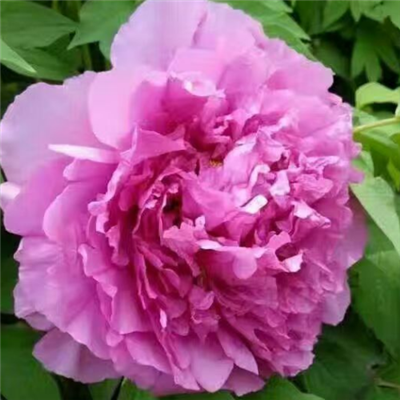
Hey there, fellow peony lovers! I'm an Angel Cheek Peony supplier, and I'm super excited to share with you all the amazing differences between Angel Cheek Peonies and other peony varieties. Peonies are one of the most beloved flowers in the world, known for their large, showy blooms and sweet fragrance. But not all peonies are created equal, and Angel Cheek Peonies have some unique features that set them apart.


Appearance
Let's start with the appearance. Angel Cheek Peonies have these soft, blush - pink petals that are just like the delicate cheeks of an angel, hence the name. The petals are ruffled and have a very romantic, feminine look. They form large, double - flowered blooms that can be up to 8 inches in diameter. It's like having a little cloud of beauty in your garden or bouquet.
In contrast, take the Charles White Peony. As the name suggests, it has pure white petals. The white is so clean and bright that it gives a very elegant and classic look. The flower form is also double, but the shape and the texture of the petals are different from Angel Cheek Peonies. The Charles White Peony has more of a structured, formal appearance, while Angel Cheek Peonies are more free - flowing and whimsical.
The Yellow Peony Seedlings are another variety that stands out. Their yellow petals are a vibrant splash of color in the peony world. Yellow is not as common in peonies as pink or white, so these are quite eye - catching. The yellow can range from a pale, buttery yellow to a more intense, sunny shade. The flower form might be single or semi - double, which is a far cry from the full, double blooms of Angel Cheek Peonies.
Then there's the Duchess Peony. It has a deep, rich pink color that is much darker than the soft blush of Angel Cheek Peonies. The Duchess Peony's petals are also more densely packed, giving the flower a very full and heavy look. It's a very regal - looking peony, and compared to the airy, delicate appearance of Angel Cheek Peonies, it has a much more substantial presence.
Fragrance
Fragrance is another important aspect when it comes to peonies. Angel Cheek Peonies have a light, sweet fragrance. It's not overpowering but rather a gentle, floral scent that just adds to their charm. When you bring a bouquet of Angel Cheek Peonies indoors, it fills the room with a subtle, pleasant aroma that makes you feel relaxed and happy.
The Charles White Peony, on the other hand, has a stronger, more heady fragrance. It's a classic peony scent that can be quite intense. If you love a powerful floral perfume in your flowers, the Charles White Peony is a great choice. But if you prefer something more understated, like the scent of Angel Cheek Peonies, you might find the Charles White's fragrance a bit too much.
The Yellow Peony Seedlings often have a milder fragrance. Sometimes, it can be a bit citrusy along with the floral notes. It's a unique scent that is different from the typical peony fragrance, and it's a nice change of pace. It's not as well - known for its smell as some other varieties, but it still has its own charm.
The Duchess Peony has a rich, sweet fragrance that is very distinct. It has a bit of a spicy undertone along with the floral sweetness. It's a complex scent that is quite appealing, but again, it's much stronger than the light fragrance of Angel Cheek Peonies.
Growth and Care
When it comes to growing and care, Angel Cheek Peonies are relatively easy to grow. They prefer full sun to partial shade and well - drained soil. They are quite hardy and can tolerate cold winters. Once established, they don't require a whole lot of maintenance. You just need to make sure they get enough water during dry spells and add some fertilizer in the spring.
The Charles White Peony also likes full sun but is a bit more sensitive to heat. In hot summers, it might need some extra shade to prevent the flowers from wilting too quickly. It also requires well - drained soil, but it might need a bit more attention when it comes to watering, as it doesn't like to be too dry.
The Yellow Peony Seedlings are a bit more finicky when it comes to soil. They prefer a slightly acidic soil with good organic matter. They also need a bit more protection from strong winds, as their petals can be a bit more delicate. Compared to Angel Cheek Peonies, they might need a bit more hands - on care during the growing season.
The Duchess Peony is a vigorous grower. It can tolerate a wider range of soil conditions compared to some other varieties. However, it does need plenty of space to grow, as it can get quite large. It also benefits from regular pruning to keep its shape and encourage more blooms. In terms of care, it's a bit more high - maintenance than Angel Cheek Peonies.
Bloom Time
Angel Cheek Peonies usually bloom in mid - season. This means that they start flowering after the early - blooming peonies but before the late - blooming ones. Their mid - season bloom time is great because it fills the gap between the different peony blooming periods. You can enjoy their beautiful flowers when some of the early varieties are starting to fade and the late ones haven't bloomed yet.
The Charles White Peony is an early - blooming variety. It starts flowering earlier in the peony season, usually in late spring. So, if you want to have peonies in your garden as early as possible, the Charles White Peony is a good choice.
The Yellow Peony Seedlings tend to bloom in the late - season. Their blooms come later in the summer, which is a nice surprise when most other peonies have already finished flowering. It gives you a chance to enjoy peonies for a longer period of time.
The Duchess Peony also blooms in the mid - season, but its bloom time might be a bit shorter compared to Angel Cheek Peonies. So, if you want a longer - lasting display of mid - season peonies, Angel Cheek Peonies are a better option.
Uses
Angel Cheek Peonies are perfect for creating romantic floral arrangements. Their soft color and delicate appearance make them ideal for wedding bouquets, anniversary gifts, or just to brighten up your home. They can be paired with other flowers like roses or baby's breath to create a beautiful, dreamy bouquet.
The Charles White Peony is often used in formal floral designs. Its clean, white color makes it a popular choice for weddings, especially for a classic, elegant look. It can also be used in funeral arrangements because of its pure and solemn appearance.
The Yellow Peony Seedlings are great for adding a pop of color to your garden or floral displays. They can be used in mixed flower beds to create a colorful contrast. In floral arrangements, they can be the focal point because of their unique yellow color.
The Duchess Peony is often used in grand floral displays. Its large, full blooms and rich color make it a great choice for large - scale events like banquets or corporate functions.
Why Choose Angel Cheek Peonies?
So, why should you choose Angel Cheek Peonies? Well, if you're looking for a peony that has a delicate, romantic look, a light and pleasant fragrance, and is relatively easy to grow, then Angel Cheek Peonies are the way to go. They are also great for those who want a mid - season peony with a longer bloom time. Whether you're a home gardener looking to add some beauty to your yard or a florist in need of unique flowers for your arrangements, Angel Cheek Peonies are a wonderful option.
If you're interested in purchasing Angel Cheek Peonies, I'd love to talk to you about it. Whether you need them for your garden, for a special event, or for your floral business, I can provide you with high - quality Angel Cheek Peonies. Just reach out, and we can start a conversation about your peony needs.
References
- "Peonies: The Complete Guide" by Peony Expert
- "Flower Gardening for Beginners" by Gardening Guru
- Various online peony forums and blogs for real - life grower experiences.