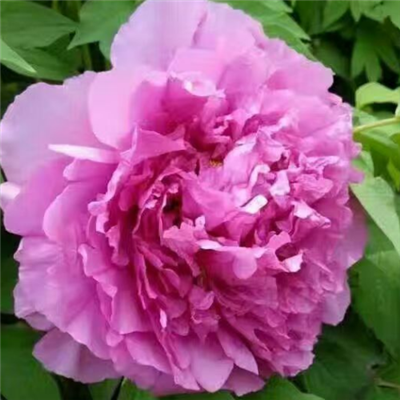
As a provider of native peonies, I am frequently asked whether native peonies are more drought - tolerant than non - native ones. This question isn't just a matter of botanical curiosity; it has significant implications for gardeners, landscapers, and conservationists alike. In this blog post, I'll explore the scientific evidence behind peony drought tolerance and share insights from my experience as a native peony supplier.

Understanding Drought Tolerance
Drought tolerance is a complex trait that describes a plant's ability to survive and thrive with limited water availability. It involves a variety of physiological and morphological adaptations, such as deep root systems, reduced leaf area, and the ability to close stomata to prevent water loss. These adaptations vary widely among plant species and even within cultivars of the same species.
Native Peonies: Adapted to Local Conditions
Native peonies have had thousands of years to adapt to the specific environmental conditions of their native habitats. These conditions often include periods of drought, so native peonies may have developed unique adaptations to cope with water scarcity. For example, peonies native to arid or semi - arid regions may have evolved deeper root systems to access water stored in lower soil layers.
One of the native peonies in our collection, the Blue Hibiscus Peony, is native to areas with relatively low rainfall. It has shown remarkable resilience in dry conditions, maintaining its health and blooming profusely even during extended periods without water. This is likely due to its well - developed root system that can seek out water sources more effectively than some non - native counterparts.
Another example is the Black Lady Peony. This peony hails from regions that experience seasonal droughts. Its leaves have a thick waxy cuticle, which helps to reduce water loss through transpiration. This physical adaptation allows it to conserve water and survive in drier environments.
Non - native Peonies: A Different Story
Non - native peonies, on the other hand, are often introduced from regions with different climate patterns. They may not be as well - adapted to local drought conditions. For instance, peonies that originate from areas with high humidity and regular rainfall may struggle to survive in a dry climate without supplemental watering.
These non - native peonies typically have shallower root systems and larger leaf areas, which can lead to increased water loss. In addition, they may lack the specific physiological adaptations that native peonies have developed to cope with drought, such as the ability to quickly adjust their metabolic processes in response to water stress.
Scientific Research on Peony Drought Tolerance
While there is ongoing research on the drought tolerance of peonies, the studies are somewhat limited. However, some findings suggest that native peonies do indeed have an edge in terms of drought resistance.
A study conducted on the Fragrant Jade Peony, a native species, examined its physiological responses to drought stress. The results showed that the peony maintained a relatively stable water potential during dry periods by adjusting its stomatal conductance and increasing the activity of antioxidant enzymes. These mechanisms helped it to protect its cells from oxidative damage caused by water stress.
In contrast, non - native peonies in the same experiment showed more pronounced signs of water stress, such as wilting and reduced photosynthetic activity. These findings support the idea that native peonies are better equipped to handle drought conditions.
Practical Implications for Gardeners and Landscapers
For gardeners and landscapers, the drought tolerance of peonies is a crucial factor to consider, especially in regions where water conservation is a priority. Choosing native peonies can help to reduce the need for irrigation and maintenance, while still providing beautiful and long - lasting blooms.
The Zhaofen Peony, for example, is a popular choice for xeriscaping projects. Its ability to thrive with minimal water makes it an ideal candidate for gardens in arid regions. By incorporating native peonies like the Zhaofen Peony into their landscapes, gardeners can create sustainable and low - maintenance gardens that are both beautiful and environmentally friendly.
Conservation Significance
From a conservation perspective, understanding the drought tolerance of native peonies is essential. As climate change continues to alter precipitation patterns, native peonies may face increased threats from drought. By promoting the cultivation and conservation of native peonies, we can help to preserve these unique plant species and their valuable genetic resources.
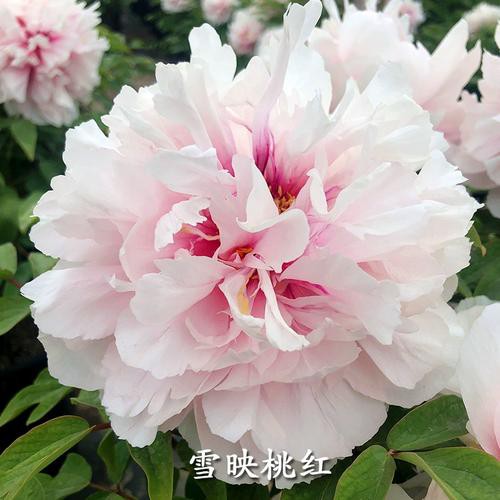
The Snow Reflects Peach Blossoms and Peonies is a rare native peony species. Protecting its natural habitat and promoting its cultivation in suitable areas can contribute to the long - term survival of the species. In addition, by studying its drought - tolerant traits, we may be able to develop new strategies for conserving other plant species facing similar challenges.
Conclusion
In conclusion, based on the available scientific evidence and my own experience as a native peony supplier, it appears that native peonies are more drought - tolerant than non - native peonies. Their long - term adaptation to local conditions has equipped them with a range of physiological and morphological features that help them to survive and thrive in water - limited environments.
Whether you are a gardener looking to create a sustainable garden, a landscaper working on a water - conserving project, or a conservationist interested in preserving native plant species, native peonies offer a viable and beautiful option. If you are interested in purchasing native peonies or learning more about their drought - tolerant properties, I encourage you to reach out for a procurement discussion.