


Hey there, fellow peony lovers! I'm a supplier of native peonies, and I've seen firsthand the magic these beautiful flowers can bring. There's nothing quite like a garden bursting with the vibrant blooms of native peonies. But sometimes, getting them to reach their full blooming potential can be a bit of a challenge. In this blog, I'm gonna share some tips on how to increase the bloom of native peonies.
Understanding Native Peonies
First off, let's talk a bit about native peonies. They come in all sorts of varieties, each with its own unique charm. For example, the Black Lady Peony has these deep, rich colors that are just stunning. Then there's the Blue Hibiscus Peony, which has this delicate blue - tinged hue that makes it stand out. The Fragrant Jade Peony not only looks amazing but smells great too. And don't forget the Green Screen Hidden Jade Peony and the Zhaofen Peony, each with their own special features.
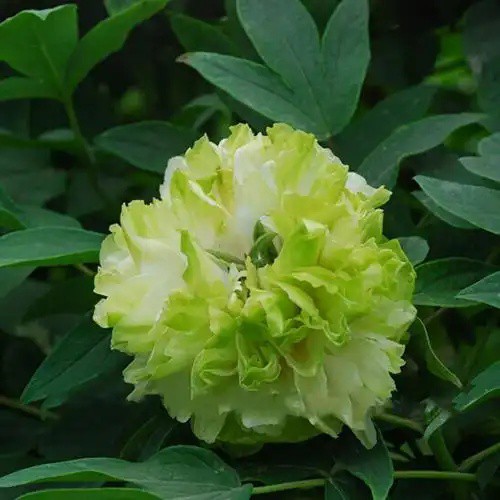

Native peonies are tough plants, but they do have specific needs. They've adapted to certain environments over time, and if we want them to bloom their hearts out, we need to mimic those conditions as closely as possible.
Choosing the Right Location
One of the most important things for getting lots of blooms is picking the right spot for your peonies. They love sunlight, but not too much of the intense, afternoon sun in hot climates. A spot that gets morning sun and a bit of afternoon shade is ideal. This way, they get enough light to fuel their growth and blooming, but they're not stressed out by the heat.
The soil is also crucial. Native peonies prefer well - drained soil. If the soil holds too much water, the roots can rot, and that's a surefire way to stop those blooms from happening. You can improve the drainage by adding some organic matter like compost or well - rotted manure to the soil. This not only helps with drainage but also provides some nutrients for the peonies.
Planting Properly
When you're planting your native peonies, it's important to do it right. Dig a hole that's big enough to accommodate the roots without crowding them. The eyes of the peony (those little pink or red buds on the roots) should be planted no more than 2 inches below the soil surface. If you plant them too deep, they might not bloom at all or will have very few blooms.
After planting, give them a good watering to help settle the soil around the roots. But don't overdo it. You want the soil to be moist, not soggy.
Watering Wisely
Water is essential for peonies, but again, it's all about balance. During the growing season (spring and early summer), they need regular watering. Aim to give them about 1 - 2 inches of water per week, either from rainfall or irrigation.
However, once the blooming season is over and the peonies start to go dormant in the fall, you can cut back on the watering. Over - watering during dormancy can lead to root problems.
Fertilizing
Fertilizing your native peonies can really boost their blooming. But you have to be careful not to over - fertilize. Too much fertilizer can cause the plants to grow lots of foliage at the expense of blooms.
In early spring, just as the new growth starts to emerge, you can apply a balanced, slow - release fertilizer. This will give the peonies a good dose of nutrients to support their growth and blooming. You can also add a bit of bone meal around the base of the plants. Bone meal is high in phosphorus, which is great for flower development.
Pruning
Pruning is another important aspect of getting more blooms. You should deadhead the spent flowers as soon as they start to fade. This not only makes the plant look nicer but also redirects the plant's energy from seed production to new growth and future blooms.
In the fall, after the first frost, you can cut back the peony foliage to about 2 - 3 inches above the ground. This helps prevent the spread of diseases and pests that might overwinter in the old foliage.
Dealing with Pests and Diseases
Pests and diseases can really put a damper on your peony's blooming. Common pests include aphids, which can suck the sap from the plants and weaken them. You can get rid of aphids by spraying the plants with a strong stream of water or using an insecticidal soap.
Fungal diseases like botrytis blight can also be a problem, especially in wet conditions. To prevent fungal diseases, make sure there's good air circulation around the plants. You can space them out properly when planting and avoid overhead watering, which can keep the foliage wet for too long.
Patience is Key
It's important to remember that native peonies take a bit of time to establish themselves. It might take a couple of years for a newly planted peony to start blooming in earnest. So, don't get discouraged if you don't see a lot of blooms in the first year or two. Just keep taking good care of them, and they'll reward you with a spectacular display in the future.
Conclusion
Increasing the bloom of native peonies is all about creating the right conditions for them to thrive. From choosing the right location and planting properly to watering, fertilizing, pruning, and dealing with pests and diseases, every step plays a part.
If you're interested in adding some of these beautiful native peonies to your garden or have a project that requires a bulk supply, I'd love to talk to you. Whether you're a home gardener looking to spruce up your yard or a landscape designer working on a big project, I've got a great selection of native peonies to choose from. Reach out to me, and we can discuss your needs and how I can help you get the most out of these amazing flowers.


