How to Adapt White Tree Peony to High - Altitude Conditions
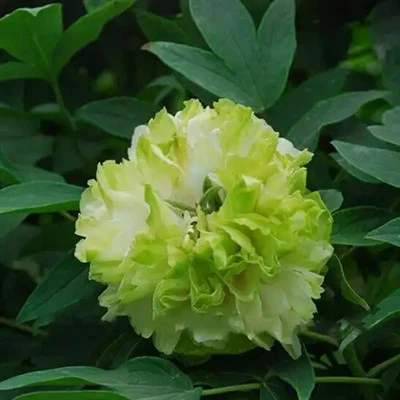
As a supplier of White Tree Peony, I've witnessed the allure of these magnificent flowers firsthand. Their pure white petals, often with a delicate blush at the base, exude an elegance that is hard to match. However, adapting White Tree Peony to high - altitude conditions can be a challenging yet rewarding endeavor. In this blog, I'll share some insights and strategies on how to make this happen successfully.
Understanding the Characteristics of White Tree Peony
Before delving into the adaptation process, it's crucial to understand the basic characteristics of White Tree Peony. These plants are known for their large, showy flowers and woody stems. They typically thrive in temperate climates, preferring well - drained soil and partial sunlight.
White Tree Peony, like other tree peonies, has a long lifespan. With proper care, they can bloom for decades, adding a touch of beauty to any garden or landscape. You can learn more about its unique features on the White Tree Peony page.
Challenges of High - Altitude Conditions
High - altitude areas present several challenges for White Tree Peony. The most significant ones include low oxygen levels, extreme temperature fluctuations, intense sunlight, and thin soil.
Low oxygen levels can affect the plant's respiration and overall growth. The plant may struggle to take in enough oxygen through its roots and leaves, leading to stunted growth or even death. Extreme temperature fluctuations, with cold nights and hot days, can cause damage to the plant's cells. The plant may experience frost damage during the night and heat stress during the day.
Intense sunlight at high altitudes means more ultraviolet (UV) radiation. This can harm the plant's leaves and flowers, causing them to wither or develop sunburn. Thin soil at high altitudes often lacks essential nutrients and has poor water - holding capacity. This can make it difficult for the plant to obtain the necessary resources for growth.
Strategies for Adaptation
Soil Preparation
The first step in adapting White Tree Peony to high - altitude conditions is to prepare the soil properly. Start by testing the soil to determine its pH level and nutrient content. White Tree Peony prefers slightly acidic to neutral soil (pH 6.5 - 7.5).
If the soil is too acidic, you can add lime to raise the pH. If it's too alkaline, sulfur can be added to lower it. Incorporate organic matter such as compost, well - rotted manure, or leaf mold into the soil. This will improve the soil's structure, water - holding capacity, and nutrient content. You can also add a slow - release fertilizer to provide the plant with a steady supply of nutrients.

Watering
Watering is critical at high altitudes. The thin air and intense sunlight can cause the soil to dry out quickly. However, overwatering can also lead to root rot, so it's a delicate balance.
Water the White Tree Peony deeply but infrequently. Aim to keep the soil evenly moist but not waterlogged. You can use a soaker hose or drip irrigation system to ensure that the water reaches the plant's roots without wetting the foliage. During the dry season, you may need to water more frequently, but always check the soil moisture before watering.
Shade and Protection
To protect the White Tree Peony from intense sunlight and extreme temperature fluctuations, provide some shade. You can use shade cloth, a pergola, or plant taller trees or shrubs nearby to create a natural shade.
In addition to shade, protect the plant from strong winds. High - altitude areas often have strong winds that can damage the plant's branches and flowers. You can install a windbreak, such as a fence or a row of shrubs, around the plant.
Acclimation
When introducing White Tree Peony to high - altitude conditions, acclimation is key. Start by gradually exposing the plant to the new environment. Begin by placing the plant in a partially shaded area for a few hours each day and gradually increase the exposure time over several weeks.
This will allow the plant to adjust to the higher UV radiation, lower oxygen levels, and temperature fluctuations. You can also start with smaller, more hardy plants, as they are more likely to adapt successfully.
Comparison with Other Tree Peonies
Just like the White Tree Peony, other tree peonies such as the Yellow Tree Peony, Red Tree Peony, Orange Tree Peony, and Green Peony also face challenges when adapting to high - altitude conditions. However, each has its own unique characteristics that may affect its adaptability.
For example, the Red Tree Peony may be more tolerant of sunlight, while the Green Peony may require more humidity. By comparing and understanding these differences, you can better choose the right tree peony for your high - altitude garden.
Conclusion
Adapting White Tree Peony to high - altitude conditions is a complex but achievable task. By understanding the plant's characteristics, the challenges of high - altitude environments, and implementing the right strategies, you can help these beautiful flowers thrive.
If you're interested in purchasing White Tree Peony for your high - altitude project or garden, I'd be more than happy to discuss your needs. Whether you're a professional landscaper, a gardening enthusiast, or a nursery owner, we have a wide selection of high - quality White Tree Peony to meet your requirements. Contact us to start a conversation about your procurement needs and let's work together to bring the beauty of White Tree Peony to your high - altitude space.