


As a supplier of Pink Tree Peony, I've witnessed firsthand the allure and elegance these flowers bring to any garden or landscape. However, like all plants, Pink Tree Peonies are susceptible to pests that can damage their beauty and health. In this blog, I'll share some effective strategies on how to prevent pests on Pink Tree Peonies, ensuring they thrive and remain a vibrant addition to your green space.
Understanding the Pink Tree Peony
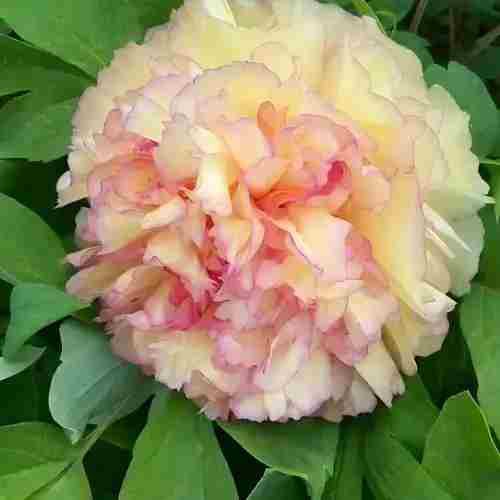
Before delving into pest prevention, it's essential to understand the Pink Tree Peony itself. These stunning plants are known for their large, showy blooms that range in color from soft pastels to deep pinks. They are a type of tree peony, which means they have woody stems and can grow into small shrubs. Pink Tree Peonies are relatively low - maintenance but require proper care to resist pests.
Common Pests Affecting Pink Tree Peonies
- Aphids: These tiny insects are a common nuisance for many plants, including Pink Tree Peonies. Aphids suck the sap from the plant, causing leaves to curl, yellow, and distort. They can also transmit diseases.
- Spider Mites: These arachnids are so small that they are often difficult to see with the naked eye. Spider mites feed on the plant's cells, leaving behind a stippled appearance on the leaves. In severe infestations, they can cause the leaves to turn brown and fall off.
- Thrips: Thrips are slender insects that feed on the flowers and leaves of Pink Tree Peonies. They can cause the petals to become discolored and deformed, and may also spread viruses.
- Scale Insects: Scale insects attach themselves to the stems and leaves of the plant, sucking sap and weakening the peony. They often appear as small, immobile bumps on the plant's surface.
Preventive Measures
Cultural Practices
- Proper Planting Location: Choose a well - drained location with partial shade for your Pink Tree Peonies. These plants prefer soil that is rich in organic matter. Avoid planting them in areas that are prone to standing water, as this can lead to root rot and make the plant more susceptible to pests.
- Regular Pruning: Prune your Pink Tree Peonies regularly to remove dead, diseased, or damaged branches. This helps improve air circulation around the plant, reducing the likelihood of pest infestations. Make sure to use clean, sharp pruning tools to prevent the spread of diseases.
- Mulching: Apply a layer of organic mulch around the base of the plant. Mulch helps retain soil moisture, suppress weeds, and provides a habitat for beneficial insects. However, keep the mulch away from the stems to prevent rot.
- Fertilization: Use a balanced fertilizer formulated for tree peonies. Over - fertilization can make the plant more attractive to pests, so follow the recommended application rates.
Biological Control
- Beneficial Insects: Encourage the presence of beneficial insects in your garden. Ladybugs, lacewings, and parasitic wasps are natural predators of aphids, spider mites, and thrips. You can attract these insects by planting flowers such as dill, fennel, and yarrow nearby.
- Nematodes: Some species of nematodes can be used to control soil - dwelling pests. These microscopic worms infect and kill pests such as root - knot nematodes and grubs. You can purchase nematodes from garden centers and apply them to the soil according to the instructions.
Chemical Control
- Insecticidal Soaps and Oils: Insecticidal soaps and horticultural oils are effective against many common pests. They work by suffocating the insects and disrupting their cell membranes. These products are relatively safe for the environment and can be used on Pink Tree Peonies. Make sure to follow the application instructions carefully.
- Neem Oil: Neem oil is a natural insecticide and fungicide. It can be used to control a wide range of pests, including aphids, spider mites, and scale insects. Neem oil also has the added benefit of being biodegradable and non - toxic to most beneficial insects.
Monitoring and Early Detection
Regularly inspect your Pink Tree Peonies for signs of pest infestations. Look for yellowing leaves, distorted growth, or the presence of insects on the plant. Early detection is crucial, as it allows you to take action before the infestation becomes severe. If you notice any signs of pests, isolate the affected plant if possible to prevent the spread to other plants.
Comparing with Other Tree Peony Colors
If you're interested in exploring different colors of tree peonies, you might want to check out the Orange Tree Peony, Yellow Tree Peony, and White Tree Peony. Each color has its own unique charm and may have slightly different pest - prevention requirements.

Conclusion
Preventing pests on Pink Tree Peonies requires a combination of cultural practices, biological control, and, if necessary, chemical control. By following these strategies, you can keep your Pink Tree Peonies healthy and beautiful. As a supplier, I'm committed to providing high - quality Pink Tree Peonies and sharing my knowledge to help you succeed in growing them.
If you're interested in purchasing Pink Tree Peonies for your garden or landscape project, I invite you to reach out for a procurement discussion. I can offer you the best advice on planting and caring for these magnificent flowers.
References
- "The Complete Guide to Growing Tree Peonies" by a well - known horticulturist.
- Various research papers on plant pest management from agricultural universities.


