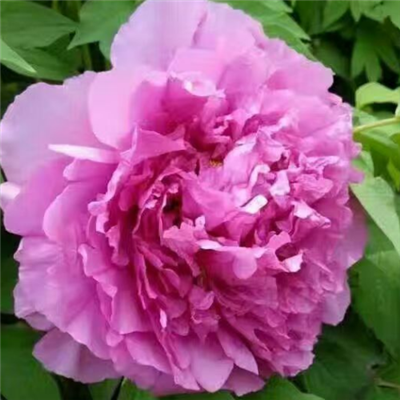
Dealing with a dying White Tree Peony can be a distressing experience, especially when you're a supplier like me. The White Tree Peony, a captivating and elegant flower, holds a special place in the world of horticulture. Its pure white petals and enchanting fragrance make it a highly sought - after plant for gardens, floral arrangements, and various decorative purposes. In this blog, I'll share some insights on how to identify the signs of a dying White Tree Peony and the steps you can take to revive it.
Identifying the Signs of a Dying White Tree Peony
Before we can address the problem, we need to recognize the symptoms. A dying White Tree Peony may show several signs. One of the most obvious signs is yellowing or browning of the leaves. This could indicate a nutrient deficiency, over - watering, or a pest problem. If the leaves are wilting and dropping prematurely, it's a clear indication that something is wrong with the plant's health.
Another sign is the lack of new growth. A healthy White Tree Peony should produce new shoots and buds during the growing season. If you notice that your plant isn't showing any signs of new growth, it may be struggling. Discoloration or lesions on the stems can also be a sign of disease. For instance, a fungal infection can cause dark spots or cankers on the stems, which can eventually lead to the death of the plant.
Possible Causes of a Dying White Tree Peony
There are several factors that can contribute to the decline of a White Tree Peony. Soil conditions play a crucial role in the health of the plant. White Tree Peonies prefer well - drained, fertile soil with a slightly acidic to neutral pH. If the soil is too compacted, waterlogged, or has an improper pH level, the plant may not be able to absorb nutrients effectively, leading to poor health.
Watering issues are also common culprits. Over - watering can cause root rot, which is a serious problem for White Tree Peonies. The roots need oxygen to function properly, and waterlogged soil deprives them of this essential element. On the other hand, under - watering can lead to dehydration, causing the leaves to wilt and the plant to become weak.
Pests and diseases can also take a toll on the White Tree Peony. Aphids, scale insects, and spider mites are some of the common pests that can infest the plant. These pests feed on the sap of the plant, weakening it and making it more susceptible to diseases. Fungal diseases such as botrytis blight and powdery mildew can also affect the plant, causing damage to the leaves, stems, and flowers.
Steps to Revive a Dying White Tree Peony
1. Assess the Soil
The first step in reviving a dying White Tree Peony is to assess the soil. You can use a soil testing kit to determine the pH level and nutrient content of the soil. If the soil is too acidic, you can add lime to raise the pH. If it's too alkaline, sulfur can be added to lower it. Additionally, you can improve the soil structure by adding organic matter such as compost or well - rotted manure. This will help improve drainage and provide essential nutrients to the plant.
2. Adjust Watering Practices
Proper watering is essential for the health of the White Tree Peony. You should water the plant deeply but infrequently. Make sure the soil is dry to the touch before watering again. If you suspect root rot, you may need to carefully remove the plant from the soil, trim away any damaged roots, and replant it in fresh, well - drained soil.
3. Control Pests and Diseases
To control pests, you can use natural or chemical pesticides. For minor infestations, you can try using insecticidal soaps or neem oil. These are less harmful to the environment and beneficial insects. If the pest problem is severe, you may need to use a stronger chemical pesticide, but make sure to follow the instructions carefully.
For fungal diseases, you can use fungicides. Remove any infected leaves or stems and dispose of them properly to prevent the spread of the disease. Ensure good air circulation around the plant by pruning it regularly.
4. Provide Adequate Nutrients
White Tree Peonies need a balanced supply of nutrients to thrive. You can use a slow - release fertilizer formulated for flowering plants. Apply the fertilizer according to the package instructions, usually in early spring and again after the plant has finished blooming.
Comparing with Other Tree Peonies
While the White Tree Peony is a beautiful and popular variety, there are other equally stunning tree peonies, such as the Orange Tree Peony and the Green Peony. The Orange Tree Peony offers a vibrant and warm color, adding a touch of tropical flair to any garden. Its large, showy flowers are a sight to behold. The Green Peony, on the other hand, is a unique and rare variety. Its green - tinged petals give it an otherworldly appearance, making it a collector's item.
Each variety has its own specific care requirements, but the general principles of soil, water, and nutrient management apply to all tree peonies. By understanding the unique needs of each variety, you can ensure that your tree peonies, whether white, orange, or green, remain healthy and beautiful.


Conclusion
As a White Tree Peony supplier, I understand the importance of keeping these plants healthy. Dealing with a dying White Tree Peony can be challenging, but with the right knowledge and care, it's possible to revive it. By following the steps outlined in this blog, you can give your White Tree Peony a second chance at life.
If you're interested in purchasing White Tree Peonies or other tree peony varieties for your garden or floral business, I'd be more than happy to assist you. We offer high - quality plants that are carefully cultivated to ensure their health and beauty. Contact us for more information and to start a procurement negotiation.
References
- "The Complete Guide to Tree Peonies" by a well - known horticulturist.
- Various research papers on tree peony cultivation from horticultural journals.