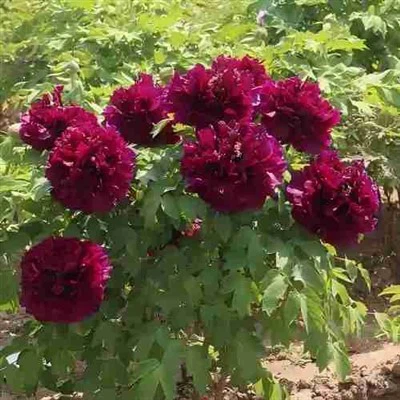
The green peony, a rare and captivating flower, has long intrigued botanists, horticulturists, and flower enthusiasts alike. As a supplier of green peonies, I've had the privilege of delving deep into the world of these unique blooms. In this blog, I'll explore the origin of green peonies, shedding light on their history, genetics, and cultural significance.
Historical Origins
The history of peonies dates back thousands of years, with records of their cultivation in China as early as the Han Dynasty (206 BC - 220 AD). Initially, peonies were valued more for their medicinal properties than their ornamental beauty. It was during the Tang Dynasty (618 - 907 AD) that peonies began to be widely cultivated for their aesthetic appeal, and they quickly became a symbol of wealth, honor, and prosperity.


Green peonies, however, are a relatively recent addition to the peony family. While the exact origin of the green peony is still a subject of debate among experts, it is believed that they first appeared in China. The unique green color of these peonies is thought to be a result of a genetic mutation that occurred naturally in the wild. Over time, Chinese horticulturists began to selectively breed these green - flowered peonies, refining their characteristics and increasing their availability.
Genetic Factors
The green color of peonies is a fascinating genetic trait. Unlike most flowers, where color is primarily determined by pigments such as anthocyanins (which produce red, purple, and blue colors) and carotenoids (which produce yellow and orange colors), the green color in peonies is due to the presence of chlorophyll. Chlorophyll is the pigment responsible for photosynthesis in plants, and its presence in the petals gives the green peony its distinctive hue.
Genetic studies have shown that the inheritance of the green color in peonies is a complex process. It is likely controlled by multiple genes, and the expression of these genes can be influenced by environmental factors such as light, temperature, and soil conditions. This complexity makes it challenging to breed green peonies consistently, which is one of the reasons why they are so rare.
Cultural Significance
In Chinese culture, peonies are known as the "King of Flowers" and are highly revered. They symbolize wealth, honor, and good fortune. Green peonies, in particular, are seen as a symbol of renewal, growth, and harmony with nature. They are often used in traditional Chinese art, literature, and festivals, and are considered a precious gift.
In Western cultures, peonies have also gained popularity in recent years. They are commonly used in weddings, floral arrangements, and as garden plants. Green peonies, with their unique color and rarity, have become a sought - after item for collectors and those looking to add a touch of elegance and uniqueness to their floral displays.
Comparison with Other Peony Colors
When comparing green peonies with other popular peony colors such as pink and red, there are several notable differences. Pink peonies, like the Pink Tree Peony, are known for their soft, romantic appearance. They are often associated with love, femininity, and grace. Red peonies, such as the Red Tree Peony, are bold and vibrant, symbolizing passion, courage, and strength.
Green peonies, on the other hand, offer a more subtle and calming aesthetic. Their green color provides a refreshing contrast to the more common pink and red peonies, making them stand out in any floral arrangement. They also have a longer vase life compared to some other peony colors, which makes them a practical choice for floral designers.
Cultivation and Care
Cultivating green peonies requires specific knowledge and care. They prefer well - drained soil that is rich in organic matter. They also need plenty of sunlight, but should be protected from strong afternoon sun, especially in hot climates. Adequate watering is essential, but over - watering can lead to root rot.
Pruning is also an important part of green peony care. Deadheading spent flowers can encourage new growth and more blooms. In the winter, it is recommended to cut back the foliage to prevent the spread of diseases.
As a Supplier
As a supplier of Green Peony, I understand the unique appeal of these flowers. We source our green peonies from the best growers, ensuring that they are of the highest quality. Our team is dedicated to providing excellent customer service, from helping customers choose the right peonies for their needs to providing after - sales support.
Whether you are a florist looking to add a unique touch to your arrangements, a gardener wanting to create a one - of - a - kind garden, or an individual looking for a special gift, our green peonies are the perfect choice. We offer a variety of sizes and quantities to meet your requirements.
Contact for Procurement
If you are interested in purchasing green peonies, we would love to hear from you. Our team is ready to assist you with your procurement needs. Whether you have questions about our products, pricing, or delivery options, feel free to reach out. We are committed to providing you with the best possible experience when it comes to sourcing these rare and beautiful flowers.
References
- "The History and Culture of Peonies in China" by Li Ming, published in Journal of Chinese Floral History.
- "Genetic Analysis of Flower Color in Peonies" by Zhang Wei, et al., in the International Journal of Plant Genetics.
- "Peony Cultivation and Care" by Wang Hong, a guidebook for peony growers.