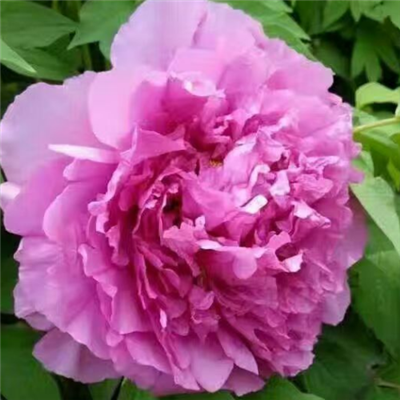
Pruning Red Tree Peony is a crucial gardening practice that can significantly enhance the health, appearance, and flowering potential of these magnificent plants. As a supplier of Red Tree Peonies, I've witnessed firsthand the transformative power of proper pruning. In this blog post, I'll share my expertise on how to prune Red Tree Peony effectively, ensuring your plants thrive and bloom beautifully for years to come.
Understanding Red Tree Peony
Before delving into pruning techniques, it's essential to understand the nature of the Red Tree Peony. The Red Tree Peony (Paeonia suffruticosa) is a deciduous shrub known for its large, showy flowers that come in a range of red hues, from deep crimson to bright scarlet. These hardy plants can live for decades, reaching heights of up to 6 feet and spreading equally wide.


Red Tree Peonies have a unique growth habit. They produce new growth from the base of the plant, known as suckers, and from the branches. The flower buds are formed on the previous year's growth. Understanding this growth pattern is key to successful pruning.
When to Prune Red Tree Peony
The best time to prune Red Tree Peony is in late winter or early spring, just before new growth begins. Pruning at this time allows the plant to focus its energy on producing new, healthy growth and flower buds. Avoid pruning in the fall, as this can stimulate new growth that may not have enough time to harden off before winter, making the plant more susceptible to cold damage.
Tools Needed for Pruning
To prune Red Tree Peony effectively, you'll need a few essential tools:
- Sharp pruning shears: Use bypass pruning shears for cutting small branches and stems up to ½ inch in diameter.
- Loppers: For thicker branches, loppers with long handles provide the leverage needed to make clean cuts.
- Pruning saw: A pruning saw is necessary for cutting branches larger than 1 inch in diameter.
- Gloves: Protect your hands from thorns and sharp edges with a pair of sturdy gardening gloves.
Pruning Techniques
Removing Dead, Damaged, or Diseased Wood
Start by inspecting the plant for any dead, damaged, or diseased wood. These branches should be removed first to prevent the spread of disease and to improve the overall health of the plant. Cut these branches back to healthy wood, making a clean cut just above a bud or lateral branch.
Thinning the Plant
Red Tree Peonies can become overcrowded over time, which can reduce airflow and sunlight penetration, leading to poor growth and increased susceptibility to disease. To thin the plant, selectively remove some of the older, inward-growing branches at the base of the plant. This will open up the center of the plant, allowing more light and air to reach the remaining branches.
Shaping the Plant
Pruning can also be used to shape the Red Tree Peony. If you prefer a more compact, rounded shape, you can trim back the outer branches to maintain the desired size and shape of the plant. However, be careful not to over-prune, as this can reduce the plant's flowering potential.
Encouraging New Growth
To encourage new growth and more abundant flowering, you can also prune back some of the older branches by about one-third of their length. This will stimulate the plant to produce new growth from the base and along the remaining branches, resulting in a more vigorous and floriferous plant.
Aftercare
After pruning, it's important to provide proper aftercare to help the Red Tree Peony recover and thrive.
- Clean up: Remove all the pruned branches and debris from around the plant to prevent the spread of disease.
- Fertilization: Apply a balanced fertilizer, such as a 10-10-10 or 12-12-12 formula, around the base of the plant according to the manufacturer's instructions. This will provide the plant with the nutrients it needs to produce new growth and flower buds.
- Watering: Water the plant deeply after pruning to help it recover. Make sure the soil is evenly moist but not waterlogged.
Pruning Special Considerations
- Young Plants: Young Red Tree Peonies generally require less pruning than mature plants. Focus on removing any dead, damaged, or diseased wood and shaping the plant gently to encourage a strong, healthy structure.
- Flowering Patterns: Keep in mind that the flower buds are formed on the previous year's growth. Avoid pruning branches that have flower buds, as this will reduce the plant's flowering potential.
- Varietal Differences: Different varieties of Red Tree Peony may have slightly different growth habits and pruning requirements. Consult the specific care instructions for your variety to ensure you're pruning it correctly.
Comparing with Other Peony Varieties
While Red Tree Peonies are a popular choice, there are other beautiful peony varieties worth considering. The Dark Pink Peony offers a soft, romantic touch with its delicate pink blooms. Pruning techniques for Dark Pink Peonies are similar to those of Red Tree Peonies, but you may need to adjust the shaping based on the variety's natural growth habit.
The Yellow Tree Peony is another stunning option. Its bright yellow flowers add a pop of color to any garden. When pruning Yellow Tree Peonies, focus on maintaining the plant's shape and removing any unhealthy branches, just as you would with Red Tree Peonies.
Contact for Procurement
Interested in adding Red Tree Peonies or other peony varieties to your garden or landscape project? I'm here to help! As a trusted supplier of high-quality Red Tree Peonies, I offer a wide selection of healthy, vibrant plants ready to thrive in your outdoor space. Whether you're a home gardener or a professional landscaper, I can provide the perfect peonies to meet your needs.
To discuss your procurement options, please reach out to me. I'm happy to answer any questions you may have about our peony varieties, care tips, or pricing. Let's work together to create a beautiful, blooming garden that you'll enjoy for years to come.
References
- Bailey, L. H., & Bailey, E. Z. (1976). Hortus Third: A Concise Dictionary of Plants Cultivated in the United States and Canada. Macmillan.
- Dirr, M. A. (2009). Manual of Woody Landscape Plants: Their Identification, Ornamental Characteristics, Culture, Propagation and Uses. Stipes Publishing.
- Royal Horticultural Society. (2023). Pruning Guide: Shrubs. Retrieved from the Royal Horticultural Society website.