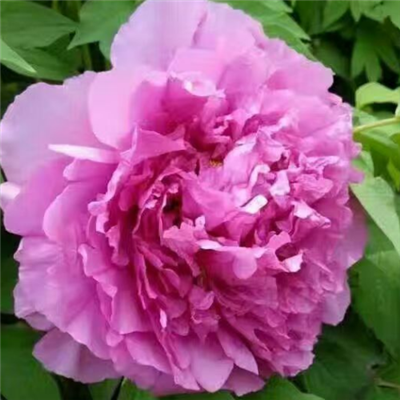
As a supplier of Blue Tree Peonies, I've seen firsthand how these stunning plants can bring a touch of elegance to any garden. But when winter rolls around, it's crucial to take extra care of them to ensure they survive the cold and bounce back beautifully in the spring. In this blog, I'll share some practical tips on how to protect your Blue Tree Peonies during the winter months.
Understanding the Blue Tree Peony
Before we dive into winter protection, let's quickly chat about what makes the Blue Tree Peony so special. These peonies are known for their unique bluish - purple blooms that can add a splash of rare color to your outdoor space. Unlike herbaceous peonies, Blue Tree Peonies are woody shrubs, which means they have a different set of winter needs.
Pre - Winter Preparation
The first step in protecting your Blue Tree Peonies starts before the frost hits. You see, getting them in good shape before winter sets in is half the battle.
Pruning
Pruning is an important part of pre - winter care. You don't want to go overboard, but it's a good idea to remove any dead or diseased branches. This helps prevent the spread of diseases during the cold months. Just use a sharp pair of pruning shears and make clean cuts at a 45 - degree angle. You can do this in late fall, once the plant has started to go dormant.
Fertilizing
Fertilizing is also key. In late fall, give your Blue Tree Peonies a slow - release fertilizer. This provides them with the nutrients they need to survive the winter and come back strong in the spring. I usually recommend a fertilizer with a balanced NPK ratio, like 10 - 10 - 10. Just sprinkle it around the base of the plant according to the package instructions and gently work it into the soil.
Watering
Watering is a bit of a balancing act. You don't want the soil to be too wet, as this can cause the roots to rot in the cold. But on the other hand, the plant still needs some moisture to survive. In late fall, give your peonies a good deep watering. This helps them store enough water to get through the winter. After that, you can cut back on watering as the plant goes dormant.
Mulching: Your Blue Tree Peony's Winter Blanket
Once you've prepped your Blue Tree Peonies, it's time to think about mulching. Mulch acts like a warm blanket for your plants, protecting the roots from the freezing temperatures.
Types of Mulch
There are several types of mulch you can use. Straw is a popular choice because it's inexpensive and easy to find. You can also use shredded leaves or bark chips. They all work well in insulating the soil.
How to Apply Mulch
Apply a layer of mulch around the base of the peony, about 3 - 4 inches thick. Make sure to keep the mulch away from the main stem to prevent rot. You can spread it out in a circle around the plant, extending it a few inches beyond the drip line.
Protecting from the Elements
Winter isn't just about the cold; it also brings other challenges like wind and heavy snow.
Wind Protection
High winds can damage the branches of your Blue Tree Peonies. You can set up a windbreak using burlap or a chicken wire fence. Place the windbreak on the windward side of the plant to block the gusts. Just make sure it's not too close to the plant, as you still want some air circulation.
Snow Protection
Heavy snow can break the branches of your peony. If you expect a lot of snow, you can gently shake the branches after a snowfall to remove the excess weight. Be careful not to damage the branches while doing this.
Comparing with Other Tree Peonies
It's interesting to note that not all tree peonies have the same winter needs. For example, Yellow Tree Peony and Orange Tree Peony might have slightly different tolerances to cold. The multi - colored varieties, like Multi - color Peony, also need their own care routines. But generally, the principles of pruning, mulching, and protecting from the elements apply to all of them.
Post - Winter Care
Once winter is over, your Blue Tree Peonies will start to wake up. It's important to give them the right care at this stage too.
Removing Mulch
In early spring, start to remove the mulch gradually. This allows the soil to warm up and the plant to start growing. You can leave a thin layer of mulch to help retain moisture.
Monitoring for Diseases
Keep an eye out for any signs of diseases, such as fungal infections. If you notice any issues, treat them promptly with the appropriate fungicide.
Watering and Fertilizing
As the plant starts to grow, resume regular watering and fertilizing. Use a balanced fertilizer again to support healthy growth.
Conclusion
Protecting your Blue Tree Peonies in winter might seem like a lot of work, but it's definitely worth it. With a little bit of preparation and care, you can ensure that your plants survive the cold months and reward you with gorgeous blooms in the spring.


If you're interested in adding Blue Tree Peonies to your garden or have any questions about winter care, don't hesitate to reach out. Whether you're a professional landscaper or a home gardener, I'd be more than happy to discuss your requirements and help you with your purchase. Let's work together to make your garden a haven of beauty!
References
- Gardening books on tree peonies
- Horticultural research on winter care for woody plants
- Personal experience as a Blue Tree Peony supplier