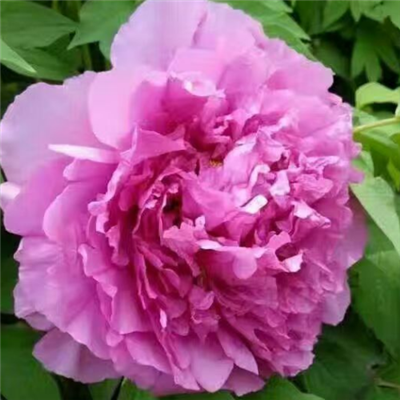
As a supplier of Yellow Tree Peony, I've witnessed firsthand the allure and significance of this magnificent flower. Beyond its aesthetic appeal, the Yellow Tree Peony plays a crucial role in the ecosystem. In this blog, I'll delve into how this remarkable plant affects the ecosystem and why it's a valuable addition to any natural environment.
1. Habitat Provision
Yellow Tree Peonies, scientifically known as Paeonia lutea, are native to specific regions, and they create unique habitats for a variety of organisms. Their large, showy flowers and dense foliage provide shelter and nesting sites for small birds, insects, and other wildlife. For instance, the intricate structure of the peony's branches offers protection from predators and the elements. Small songbirds may build their nests within the branches, using the leaves and twigs for construction. Insects, such as bees and butterflies, are also attracted to the flowers. They find refuge among the petals during adverse weather conditions and use the plant as a resting place between foraging trips.
Moreover, the roots of the Yellow Tree Peony help to stabilize the soil. They penetrate deep into the ground, binding the soil particles together and preventing erosion. This is particularly important in areas prone to heavy rainfall or strong winds. By maintaining soil integrity, the peony indirectly supports the growth of other plant species in the vicinity, which in turn contribute to a more diverse and stable ecosystem.
2. Pollination and Biodiversity
The vibrant yellow flowers of the Yellow Tree Peony are a magnet for pollinators. Bees, in particular, are highly attracted to the nectar and pollen produced by the peony. As they move from flower to flower, they transfer pollen, facilitating fertilization and the production of seeds. This process is essential for the reproduction of the Yellow Tree Peony and for maintaining genetic diversity within the population.
The presence of Yellow Tree Peonies in an ecosystem also encourages the presence of a wider range of pollinators. Different species of bees, butterflies, and even some moths are known to visit the flowers. This increase in pollinator diversity has a cascading effect on the entire ecosystem. Pollinators are responsible for fertilizing a large proportion of the world's flowering plants, including many crops. By supporting pollinators, the Yellow Tree Peony indirectly contributes to the productivity of agricultural systems and the overall health of the ecosystem.
In addition to pollinators, the Yellow Tree Peony also provides a food source for other organisms. The seeds of the peony are consumed by some small mammals and birds, which helps to disperse the seeds and promote the spread of the plant. This further enhances the biodiversity of the ecosystem by allowing the peony to colonize new areas.
3. Chemical Interactions
Plants, including the Yellow Tree Peony, produce a variety of chemical compounds that can have both positive and negative effects on the ecosystem. Some of these compounds are used for defense against herbivores and pathogens. For example, the peony may produce toxins or deterrents that discourage insects and other animals from feeding on its leaves and flowers. This chemical defense mechanism helps to protect the plant and ensure its survival.
On the other hand, some of the chemical compounds produced by the Yellow Tree Peony may have beneficial effects on other organisms. For instance, certain volatile compounds released by the flowers may attract beneficial insects, such as predators of herbivorous pests. These predators can help to control pest populations and maintain a balance in the ecosystem.
The root exudates of the Yellow Tree Peony also play an important role in the soil ecosystem. They can interact with soil microorganisms, such as bacteria and fungi, in a symbiotic relationship. The peony provides the microorganisms with a source of energy in the form of organic compounds, while the microorganisms help to break down nutrients in the soil and make them available to the plant. This mutualistic relationship enhances the nutrient cycling and fertility of the soil, which benefits not only the Yellow Tree Peony but also other plants in the area.
4. Comparison with Other Tree Peonies
When considering the ecological impact of the Yellow Tree Peony, it's interesting to compare it with other tree peony varieties, such as the Green Peony, White Tree Peony, and Blue Tree Peony. Each of these varieties has its own unique characteristics and may have different effects on the ecosystem.
The Green Peony, for example, may have a different color and shape of flowers, which could attract a different set of pollinators. Its foliage may also have different chemical properties, which could affect its interactions with other organisms. The White Tree Peony, with its pure white flowers, may stand out more in the landscape and attract pollinators from a greater distance. The Blue Tree Peony, on the other hand, may have a more limited distribution and may be adapted to specific environmental conditions, which could influence its role in the ecosystem.
However, despite these differences, all tree peonies share some common ecological functions. They all provide habitat, support pollination, and contribute to soil health. By growing a variety of tree peonies, including the Yellow Tree Peony, in an ecosystem, we can enhance the overall biodiversity and resilience of the environment.
5. Conservation and Sustainable Use
Given the important role that the Yellow Tree Peony plays in the ecosystem, it's crucial to ensure its conservation. In recent years, the natural habitats of the Yellow Tree Peony have been threatened by factors such as deforestation, urbanization, and over - collection. As a supplier, I'm committed to promoting sustainable practices in the cultivation and trade of the Yellow Tree Peony.
We source our peonies from sustainable nurseries that follow strict guidelines for plant propagation and conservation. This helps to ensure that the plants are grown in a way that minimizes their impact on the wild populations. We also educate our customers about the importance of the Yellow Tree Peony in the ecosystem and encourage them to plant these beautiful flowers in their gardens in a responsible manner.
By choosing to purchase Yellow Tree Peonies from a reliable supplier, you can not only enjoy the beauty of these flowers but also contribute to the conservation of the species and the protection of the ecosystem. Whether you're a gardener looking to add a touch of color to your landscape or a nature enthusiast interested in supporting biodiversity, the Yellow Tree Peony is an excellent choice.


If you're interested in purchasing Yellow Tree Peonies or would like to learn more about their ecological benefits, please don't hesitate to contact us. We're always happy to discuss your needs and provide you with the best possible advice on growing and caring for these magnificent plants.
References
- Fang, R., & Zhang, D. (2009). Phylogeny and biogeography of Paeonia sect. Moutan (Paeoniaceae) inferred from multiple chloroplast DNA sequences. Molecular Phylogenetics and Evolution, 51(2), 273 - 282.
- Guo, S., & Hong, D. (2001). A taxonomic revision of Paeonia sect. Moutan (Paeoniaceae). Botanical Journal of the Linnean Society, 137(4), 457 - 470.
- Wang, H., & Pei, S. (2017). Pollination biology of Paeonia ostii (Paeoniaceae), a woody oil - crop species in China. Acta Botanica Sinica, 59(4), 353 - 360.