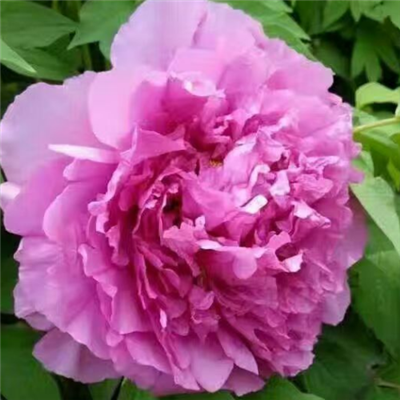
As a supplier of herbaceous peonies, I've witnessed firsthand the remarkable adaptability of these beautiful flowers to different climates. Herbaceous peonies, known for their large, showy blooms and lush foliage, are a favorite among gardeners and flower enthusiasts worldwide. In this blog, I'll explore how herbaceous peonies adapt to various climate conditions, sharing insights from my experience in the industry.
Adaptation to Cold Climates
Herbaceous peonies are native to regions with cold winters, and they have developed several mechanisms to survive and thrive in low - temperature environments. These peonies have a natural dormancy period during winter. As the temperature drops, the plant enters a state of rest, which is crucial for its long - term health and blooming. During dormancy, the above - ground parts of the plant die back, while the underground rhizomes remain alive.
The rhizomes of herbaceous peonies are well - adapted to cold. They are thick and fleshy, storing nutrients and water that the plant will need when it resumes growth in the spring. The rhizomes also have a protective outer layer that helps insulate them from the cold. In addition, herbaceous peonies require a certain number of chilling hours during winter. These chilling hours are necessary for the flower buds to develop properly. Without an adequate period of cold, the peonies may not bloom or may produce weak flowers.


In cold climates, it's important to plant herbaceous peonies in well - drained soil. Excess water can freeze around the roots, causing damage. Adding a layer of mulch around the base of the plants in the fall can also provide additional insulation and help protect the rhizomes from extreme cold.
Adaptation to Warm Climates
While herbaceous peonies are more commonly associated with cold regions, they can also adapt to warmer climates with some care. In warmer areas, the key challenge is to provide the plant with enough chilling hours. Some varieties of herbaceous peonies are more heat - tolerant than others. For example, Peony Sunny Girl is a variety that has shown better adaptability to warmer climates.
In warm climates, it's important to plant herbaceous peonies in a location that receives partial shade. Full sun can be too intense, especially during the hot summer months, and may cause the plant to wilt or the flowers to fade quickly. The soil should be kept consistently moist but not waterlogged. Watering in the early morning or late evening can help reduce water loss due to evaporation.
Another strategy for growing herbaceous peonies in warm climates is to use artificial chilling. Some growers store the rhizomes in a refrigerator for a period of time before planting to ensure they receive the necessary chilling hours. This can help the plants bloom more reliably.
Adaptation to Humid Climates
Humid climates present a different set of challenges for herbaceous peonies. High humidity can create a favorable environment for fungal diseases such as botrytis and powdery mildew. To adapt to humid conditions, it's essential to provide good air circulation around the plants. Spacing the peonies properly in the garden can help with this.
Well - drained soil is also crucial in humid climates. Standing water can lead to root rot, which can be fatal for the plant. Raised beds can be a good option for growing herbaceous peonies in humid areas as they improve drainage.
Regular inspection of the plants for signs of disease is important. If fungal diseases are detected early, they can be treated with fungicides. However, it's always better to prevent the diseases from occurring in the first place by maintaining proper growing conditions.
Adaptation to Arid Climates
In arid climates, water conservation is the main concern for herbaceous peonies. These plants need a consistent supply of water, but the dry conditions make it difficult to maintain soil moisture. One way to adapt to arid climates is to use mulch. A thick layer of mulch around the base of the plants can help retain moisture in the soil, reducing the frequency of watering.
Drip irrigation is also a great option for growing herbaceous peonies in arid areas. It delivers water directly to the roots, minimizing water loss due to evaporation. Selecting drought - tolerant varieties can also be beneficial. Multiple Color Peony Seedlings may include some varieties that are more suited to arid conditions.
Our Offerings and Adaptability
As a herbaceous peony supplier, we offer a wide range of varieties that are carefully selected for their adaptability to different climates. Whether you're in a cold, warm, humid, or arid region, we have peonies that can thrive in your environment. Our Fengyu Falling Gold Pool Peony Flower is a unique variety that has shown good adaptability in various climate conditions.
We provide detailed planting and care instructions for each variety, ensuring that our customers can successfully grow these beautiful flowers. Our team of experts is also available to answer any questions you may have about growing herbaceous peonies in your specific climate.
Contact Us for Procurement
If you're interested in purchasing herbaceous peonies for your garden or for commercial purposes, we invite you to contact us for a procurement discussion. We can offer you high - quality peonies at competitive prices and provide you with the support you need to ensure their successful growth. Whether you're a professional landscaper or a home gardener, we have the right peonies for you.