Hey there, fellow peony enthusiasts! I'm a supplier of multi - color peonies, and I often get asked this question: Can multi - color peonies grow in acidic soil? Well, let's dig into this topic and find out.
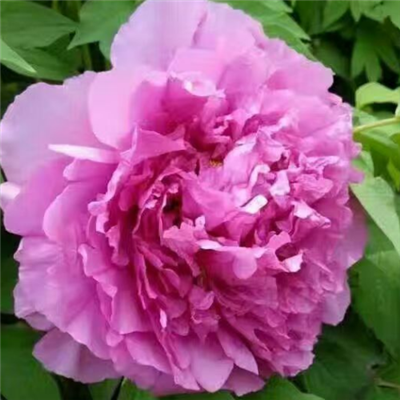
First off, let's talk a bit about multi - color peonies. These beauties come in a wide range of colors, from the delicate Green Peony to the striking Blue Tree Peony and the vibrant Orange Tree Peony. They're a real showstopper in any garden, and as a supplier, I've seen how much people love them.
Now, let's get to the soil part. Peonies, in general, have certain soil preferences. Most peonies thrive in well - drained soil that's rich in organic matter. But when it comes to soil acidity, it's a bit more complicated.
Acidic soil is defined as having a pH level below 7.0. Some plants absolutely love acidic soil, like azaleas and blueberries. But peonies? Well, they're a bit more finicky.
Multi - color peonies typically prefer a slightly alkaline to neutral soil, with a pH range of around 6.5 to 7.5. This is because the nutrients they need, such as phosphorus and potassium, are more readily available in this pH range. In acidic soil, these nutrients can become less accessible to the plants, which can lead to stunted growth and poor flower production.
However, that doesn't mean multi - color peonies can't grow in acidic soil at all. It's all about making some adjustments. If you have acidic soil in your garden, you can try to raise the pH level. One way to do this is by adding lime to the soil. Lime is a common soil amendment that can help to neutralize the acidity. You'll need to test your soil first to determine how much lime you need to add. You can buy a soil testing kit at your local garden center, and it's really easy to use. Just follow the instructions on the kit, and it'll tell you the pH level of your soil.
Another thing you can do is to add plenty of organic matter to the soil. Compost, well - rotted manure, and leaf mold are all great options. Organic matter helps to improve the soil structure, retain moisture, and provide essential nutrients to the plants. It can also buffer the soil's acidity to some extent.


When planting multi - color peonies in acidic soil, it's important to plant them at the right depth. Peonies should be planted with the eyes (the small buds on the roots) no more than 2 inches below the soil surface. Planting them too deep can prevent them from flowering properly, especially in acidic soil where the growth conditions are already a bit challenging.
Once your peonies are planted, you'll need to keep an eye on them. Water them regularly, but make sure the soil doesn't get waterlogged. Overwatering can be a problem, especially in acidic soil where the drainage might not be as good. You can also fertilize your peonies with a balanced fertilizer, but be careful not to over - fertilize. Too much fertilizer can cause excessive foliage growth at the expense of flower production.
Now, let's talk about the benefits of growing multi - color peonies. These peonies are not only beautiful but also have a long lifespan. They can live for decades, and with proper care, they'll keep coming back year after year. They're also relatively low - maintenance plants, which makes them a great choice for both experienced gardeners and beginners.
As a multi - color peony supplier, I've seen how these peonies can transform a garden. They add a splash of color and elegance, and they're a great way to attract pollinators like bees and butterflies. Whether you're looking to create a small flower bed or a large garden, multi - color peonies are a great option.
If you're interested in purchasing multi - color peonies for your garden, I'd love to hear from you. We have a wide selection of peonies in different colors and varieties, and we can provide you with all the information you need to grow them successfully. Whether you have acidic soil or not, we can help you find the right peonies for your garden. Just reach out to us, and we'll start the conversation.
In conclusion, while multi - color peonies prefer slightly alkaline to neutral soil, they can grow in acidic soil with some adjustments. By testing your soil, adding lime and organic matter, and providing proper care, you can enjoy the beauty of these amazing flowers in your garden. So, don't be afraid to give it a try!