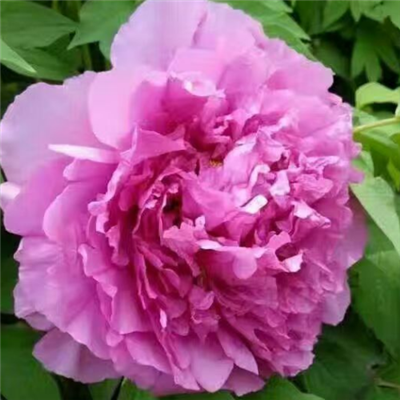
Hey there, fellow peony lovers! As a native peonies supplier, I've seen firsthand the beauty and resilience of these amazing plants. One of the most common questions I get from customers is how to overwinter native peonies. Well, you're in luck because I'm here to share some tips and tricks to help your peonies thrive through the cold winter months.
Understanding Native Peonies
Before we dive into the overwintering process, let's take a quick look at native peonies. Native peonies are a group of peony species that are indigenous to specific regions. They come in a variety of colors, shapes, and sizes, and each has its own unique characteristics. Some popular native peonies include the Blue Hibiscus Peony, Zhaofen Peony, and Paeonia Suffruticosa "Yao Huang".

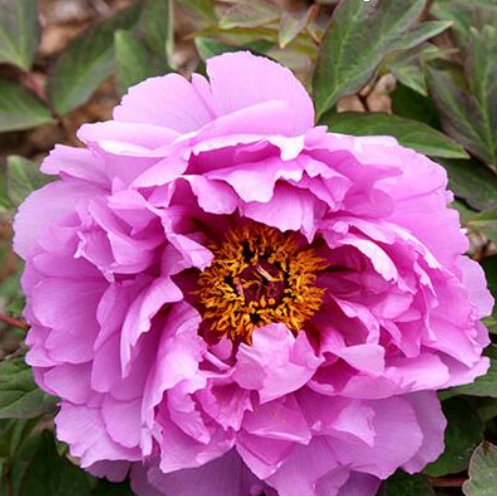
These peonies are known for their hardiness and ability to withstand cold temperatures. However, they still need some extra care during the winter to ensure they come back strong in the spring.
Preparing Your Peonies for Winter
The first step in overwintering your native peonies is to prepare them for the cold. Here are some things you can do:
1. Pruning
In late fall, after the first frost, it's time to prune your peonies. Cut the stems back to about 2-3 inches above the ground. This will help prevent disease and pests from overwintering in the plant. Make sure to use clean, sharp pruning shears to avoid damaging the plant.
2. Mulching
Mulching is an important step in protecting your peonies from the cold. Apply a layer of mulch, such as straw, leaves, or wood chips, around the base of the plant. This will help insulate the roots and keep them warm. Make sure to leave a small space around the stem to prevent rot.
3. Watering
Before the ground freezes, give your peonies a good watering. This will help the plant stay hydrated during the winter. However, be careful not to overwater, as this can lead to root rot.
4. Fertilizing
In the fall, you can apply a slow-release fertilizer to your peonies. This will provide them with the nutrients they need to survive the winter and come back strong in the spring. Make sure to follow the instructions on the fertilizer package.
Protecting Your Peonies from the Cold
Even with proper preparation, your peonies may still need some extra protection from the cold. Here are some things you can do:
1. Wrapping
If you live in an area with extremely cold temperatures, you may want to wrap your peonies in burlap or a frost blanket. This will help protect them from the wind and cold. Make sure to secure the wrapping tightly around the plant.
2. Snow Cover
Snow can actually be a good thing for your peonies. It acts as a natural insulator, protecting the roots from the cold. If you get a lot of snow, try to keep it on top of the peonies.
3. Avoiding Ice Damage
Ice can be a problem for peonies, as it can break the stems and damage the plant. If you expect a lot of ice, you can cover your peonies with a plastic sheet or tarp to protect them.
Monitoring Your Peonies During the Winter
Once you've prepared your peonies for winter and protected them from the cold, it's important to monitor them throughout the winter. Here are some things to look out for:
1. Frost Heaving
Frost heaving can occur when the ground freezes and thaws repeatedly. This can cause the peony roots to be pushed out of the ground. If you notice any signs of frost heaving, gently push the roots back into the ground and add more mulch.
2. Pests and Diseases
Even in the winter, pests and diseases can still be a problem for your peonies. Keep an eye out for any signs of pests or diseases, such as mold, mildew, or insects. If you notice any problems, take action immediately to prevent them from spreading.
3. Watering
During the winter, your peonies may not need as much water as they do in the summer. However, it's still important to make sure the soil doesn't dry out completely. Check the soil regularly and water if necessary.
Bringing Your Peonies Back to Life in the Spring
Once the winter is over and the weather starts to warm up, it's time to bring your peonies back to life. Here are some things you can do:
1. Removing the Mulch
In the spring, once the ground has thawed, remove the mulch from around the base of the plant. This will allow the soil to warm up and the peonies to start growing.
2. Pruning
In the spring, you can prune any dead or damaged stems from your peonies. This will help the plant focus its energy on new growth.
3. Fertilizing
In the spring, you can apply a balanced fertilizer to your peonies. This will provide them with the nutrients they need to grow and bloom.
4. Watering
In the spring, your peonies will need more water as they start to grow. Make sure to water them regularly, but be careful not to overwater.
Conclusion
Overwintering native peonies is not as difficult as it may seem. By following these tips and tricks, you can help your peonies survive the cold winter months and come back strong in the spring. If you have any questions or need more information, don't hesitate to contact me. I'm always happy to help.
And if you're interested in purchasing native peonies for your garden, I'd love to chat with you. We have a wide variety of native peonies available, including the Blue Hibiscus Peony, Zhaofen Peony, and Paeonia Suffruticosa "Yao Huang". Contact me to discuss your needs and let's get your garden filled with beautiful peonies!