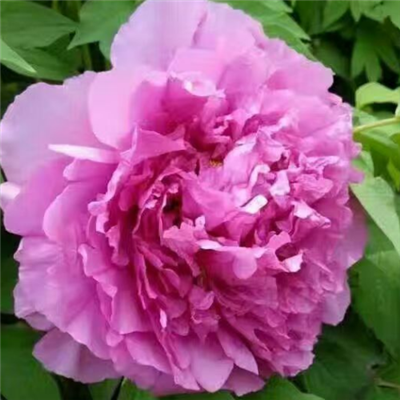
Blue tree peonies are a captivating and rare addition to the world of horticulture. As a supplier of these exquisite plants, I am often asked whether blue tree peonies can be used for landscaping. In this blog post, I will explore the suitability of blue tree peonies for landscaping, highlighting their unique features, benefits, and considerations.
The Allure of Blue Tree Peonies
Blue tree peonies (Paeonia suffruticosa) are known for their stunning blue - purple blooms, which are a rarity in the plant kingdom. Their large, showy flowers can reach up to 8 - 10 inches in diameter, making them a focal point in any garden. The color of the blue tree peony is not a true blue but rather a shade of lavender - blue, which gives it an otherworldly and elegant appearance.
These peonies are also long - lived shrubs, with some specimens living for over 100 years. They have a slow - growing nature, which means they can maintain their shape and size in a landscape setting for an extended period. The foliage of the blue tree peony is equally attractive, with deep green, divided leaves that provide a beautiful backdrop for the flowers.
Suitability for Landscaping
Aesthetic Appeal
One of the main reasons blue tree peonies are excellent for landscaping is their aesthetic appeal. They can be used as specimen plants, planted alone in a prominent location to showcase their beauty. They also work well in mixed borders, where their unique color can contrast with other flowers. For example, pairing blue tree peonies with Orange Tree Peony can create a striking color combination. The warm orange of the orange tree peonies will complement the cool blue - purple of the blue tree peonies, adding visual interest to the garden.
In a formal garden, blue tree peonies can be planted in rows or geometric patterns, creating a sense of order and elegance. They can also be used to line pathways or entrances, welcoming visitors with their beautiful blooms.
Seasonal Interest
Blue tree peonies offer seasonal interest throughout the year. In the spring, they produce their magnificent flowers, which can last for several weeks. The flowers attract pollinators such as bees and butterflies, adding to the biodiversity of the garden. After the flowering period, the foliage remains attractive, providing a lush green backdrop for other plants. In the fall, the leaves may turn shades of yellow, orange, or red, adding a splash of color to the autumn landscape.
Adaptability
Blue tree peonies are relatively adaptable plants. They prefer well - drained soil and full sun to partial shade. They can tolerate a range of soil types, as long as the soil is not waterlogged. In terms of climate, they are hardy in USDA zones 4 - 9, which means they can be grown in many parts of the United States and other temperate regions. This adaptability makes them a suitable choice for a variety of landscaping projects.
Considerations for Landscaping with Blue Tree Peonies
Space Requirements
Blue tree peonies can grow to be 3 - 5 feet tall and wide, so they need enough space to spread out. When planning a landscape with blue tree peonies, it is important to consider their mature size and allow sufficient room between plants. Planting them too close together can lead to overcrowding, which may affect their growth and flowering.
Maintenance
Although blue tree peonies are relatively low - maintenance plants, they do require some care. They need regular watering, especially during dry periods. Mulching around the base of the plants can help retain moisture and suppress weeds. Pruning is also important to maintain the shape and health of the plants. Dead or damaged branches should be removed, and the plants can be lightly pruned after flowering to encourage new growth.
Pests and Diseases
Like all plants, blue tree peonies are susceptible to some pests and diseases. Common pests include aphids, scale insects, and spider mites. These can be controlled with insecticidal soaps or horticultural oils. Diseases such as botrytis blight and powdery mildew can also affect blue tree peonies. Proper spacing, good air circulation, and regular inspection can help prevent these problems.
Complementary Plants for Blue Tree Peonies
To enhance the beauty of blue tree peonies in a landscape, they can be paired with other plants. Red Tree Peony and Dark Pink Peony can be planted nearby to create a color - rich display. Perennials such as iris, daylilies, and hostas can also be used to fill in the spaces around the blue tree peonies and provide additional seasonal interest.
Ornamental grasses can add movement and texture to the landscape. Their fine foliage and plumes can contrast with the large, showy flowers and bold leaves of the blue tree peonies.


Conclusion
In conclusion, blue tree peonies are an excellent choice for landscaping. Their unique color, long - lived nature, and seasonal interest make them a valuable addition to any garden. Whether used as specimen plants, in mixed borders, or in formal gardens, they can create a beautiful and captivating landscape.
If you are interested in incorporating blue tree peonies into your landscaping project, I invite you to contact me to discuss your needs and explore the possibilities. I am committed to providing high - quality blue tree peonies and expert advice to help you create the garden of your dreams.