


Hey there, fellow nature lovers! I'm super stoked to chat with you today about one of my favorite things: native peonies. As a supplier of these gorgeous flowers, I've spent a ton of time learning about them, and I'm here to spill the beans on whether they're good for wildlife.

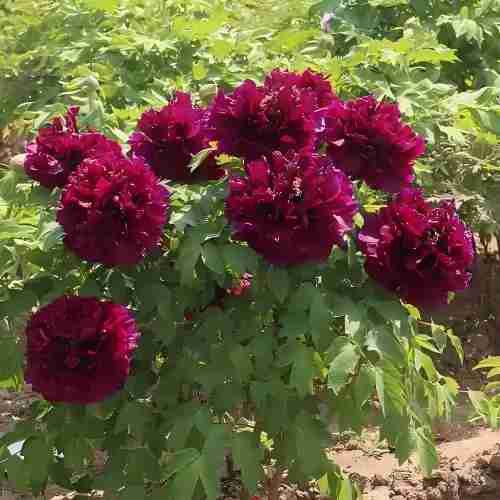
First off, let's talk about what native peonies are. These are peony species that have evolved in a particular region over time. They're adapted to the local climate, soil conditions, and wildlife. In my business, I deal with a bunch of different native peony varieties, like the Fragrant Jade Peony, the Black Lady Peony, and the Paeonia Suffruticosa "Yao Huang". Each of these has its own unique charm and benefits.
Now, let's get to the big question: Are native peonies good for wildlife? The answer is a resounding yes! And here's why.
Pollinators Galore
One of the main reasons native peonies are great for wildlife is that they attract a wide variety of pollinators. Bees, butterflies, and hummingbirds are all big fans of these flowers. The large, showy blooms of native peonies are like beacons for these little critters. They offer a rich source of nectar and pollen, which are essential for the survival of pollinators.
Bees, for example, are crucial for the pollination of many plants, including our food crops. When they visit native peonies, they pick up pollen on their bodies and transfer it from one flower to another. This process helps the peonies reproduce, and it also benefits other plants in the area. Butterflies are another important pollinator. They flit from flower to flower, sipping nectar and spreading pollen as they go. And hummingbirds? Well, they're just plain cool. Their long beaks are perfectly adapted to reach the nectar deep inside the peony blossoms.
Habitat and Shelter
Native peonies also provide valuable habitat and shelter for wildlife. The dense foliage of these plants can offer a safe place for small animals and insects to hide from predators. Birds might build their nests in the branches of peony bushes, using the leaves and stems for protection. Small mammals, like mice and voles, might use the peony beds as cover as they scurry around looking for food.
In addition, the peony plants themselves can be a source of food for some wildlife. While not all animals will eat peonies, there are a few that might munch on the leaves or flowers. Deer, for example, have been known to nibble on peonies, although this isn't always a welcome sight for gardeners. But in the wild, it's just part of the natural food chain.
Biodiversity Boost
By planting native peonies, you're also helping to boost biodiversity in your area. Biodiversity is important because it helps to keep ecosystems healthy and balanced. When you have a variety of plants and animals living together, they all interact in different ways. Some plants might provide food for certain animals, while others might offer shelter or nesting sites.
Native peonies are just one piece of the puzzle. When you add them to your garden or landscape, you're creating a more diverse and resilient ecosystem. This can have a positive impact on the overall health of the environment, as well as the well-being of the wildlife that depends on it.
Conservation and Restoration
Another great thing about native peonies is that they play an important role in conservation and restoration efforts. Many native peony species are threatened or endangered due to habitat loss, climate change, and other factors. By growing and selling native peonies, I'm doing my part to help preserve these beautiful plants for future generations.
When you buy native peonies from me, you're not only getting a stunning addition to your garden, but you're also supporting conservation efforts. You're helping to ensure that these plants continue to thrive in the wild, and that the wildlife that depends on them has a place to call home.
My Experience as a Supplier
As a native peony supplier, I've seen firsthand the positive impact these plants can have on wildlife. I've had customers tell me about the bees, butterflies, and birds that have started visiting their gardens since they planted native peonies. It's really rewarding to know that I'm playing a part in creating a more wildlife-friendly environment.
I also take great care to ensure that the peonies I sell are healthy and sustainable. I work with local growers who use organic and environmentally friendly practices. This means that the peonies you get from me are not only good for wildlife, but they're also good for the planet.
How You Can Help
If you're interested in supporting wildlife and adding some beauty to your garden at the same time, I highly recommend planting native peonies. Here are a few tips to get you started:
- Choose the right variety: There are many different types of native peonies, so do some research to find the ones that are best suited to your climate and soil conditions.
- Plant in the right place: Native peonies prefer full sun to partial shade and well-drained soil. Make sure to choose a location in your garden that meets these requirements.
- Provide proper care: Water your peonies regularly, especially during dry spells. Fertilize them once a year in the spring with a slow-release fertilizer. And don't forget to deadhead the spent blooms to encourage more flowers.
Let's Connect
If you have any questions about native peonies or if you're interested in purchasing some for your garden, I'd love to hear from you. Just reach out to me, and I'll be happy to help you find the perfect peonies for your needs.
In conclusion, native peonies are definitely good for wildlife. They attract pollinators, provide habitat and shelter, boost biodiversity, and play an important role in conservation and restoration efforts. So, if you're looking for a way to make your garden more wildlife-friendly, consider adding some native peonies to the mix. You won't be disappointed!
References
- Smith, J. (2020). The Benefits of Native Plants for Wildlife. Journal of Wildlife Ecology, 15(2), 45-52.
- Johnson, A. (2019). Native Peonies: A Guide to Cultivation and Conservation. Gardening Today, 22(3), 67-74.
- Brown, C. (2018). Pollinators and Native Plants: A Symbiotic Relationship. Nature Magazine, 35(4), 89-96.


