


Hey there, fellow peony lovers! I'm a supplier of native peonies, and I know how heartbreaking it can be to see your beautiful peonies damaged by frost. Frost can be a real nightmare for these delicate flowers, but don't worry – I've got some tips and tricks to help you protect your native peonies from those cold snaps.

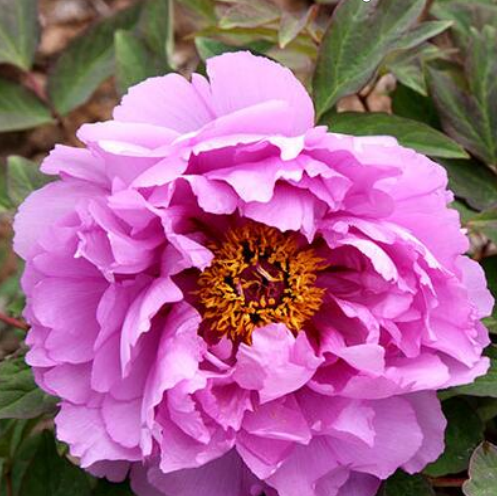
First things first, let's talk about why frost is such a big deal for native peonies. These plants are pretty sensitive to cold temperatures, especially when they're in bloom. Frost can damage the petals, buds, and even the stems of the peonies, leaving them looking sad and wilted. And if the frost is severe enough, it can even kill the plant altogether.
So, how can you protect your native peonies from frost? Well, the first step is to keep an eye on the weather forecast. If there's a frost warning in the forecast, you'll need to take action quickly to protect your plants. One of the easiest ways to do this is to cover your peonies with a frost cloth or blanket. You can find these at your local garden center or online. Just make sure to drape the cloth over the plants, making sure it reaches all the way to the ground. This will help trap the heat and protect the peonies from the cold.
Another option is to use a plastic sheet to cover your peonies. However, be careful with this method, as plastic can trap moisture and cause the plants to rot. If you do use a plastic sheet, make sure to prop it up with stakes or hoops to allow for air circulation. And remove the plastic as soon as the frost has passed to prevent the plants from overheating.
If you don't have a frost cloth or plastic sheet, you can also use old bedsheets or towels to cover your peonies. Just make sure they're clean and dry before using them. You can also use straw or leaves to mulch around the base of the plants. This will help insulate the roots and protect them from the cold.
In addition to covering your peonies, you can also take some other steps to protect them from frost. For example, you can water your plants thoroughly before a frost. This will help keep the soil warm and protect the roots from freezing. Just make sure not to overwater, as this can also cause the plants to rot.
You can also prune your peonies in the fall to remove any dead or damaged branches. This will help the plants conserve energy and be more resistant to frost. And make sure to fertilize your peonies regularly to keep them healthy and strong.
Now, let's talk about some specific types of native peonies and how to protect them from frost. One of my favorite native peonies is the Fragrant Jade Peony. This beautiful flower has large, fragrant blooms that are a light green color. To protect the Fragrant Jade Peony from frost, make sure to cover it with a frost cloth or blanket as soon as a frost warning is issued. You can also water it thoroughly before the frost to help keep the soil warm.
Another great native peony is the Blue Hibiscus Peony. This flower has stunning blue-purple blooms that are sure to add a pop of color to your garden. To protect the Blue Hibiscus Peony from frost, you can follow the same steps as for the Fragrant Jade Peony. Just make sure to cover it well and water it before the frost.
Finally, let's talk about the Black Lady Peony. This unique flower has dark, almost black blooms that are very striking. To protect the Black Lady Peony from frost, you can use a frost cloth or plastic sheet to cover it. You can also mulch around the base of the plant with straw or leaves to help insulate the roots.
In conclusion, protecting your native peonies from frost is all about being prepared and taking action quickly. By following these tips and tricks, you can help ensure that your peonies stay healthy and beautiful all season long. And if you're interested in purchasing some native peonies for your garden, I'd love to hear from you. As a supplier of native peonies, I can offer you a wide variety of high-quality plants at competitive prices. So, don't hesitate to reach out and let's start a conversation about your peony needs.
References
- Various gardening books and resources on plant protection from frost
That's it for this blog post. I hope you found it helpful. If you have any questions or comments, please feel free to leave them below. And remember, happy gardening!


