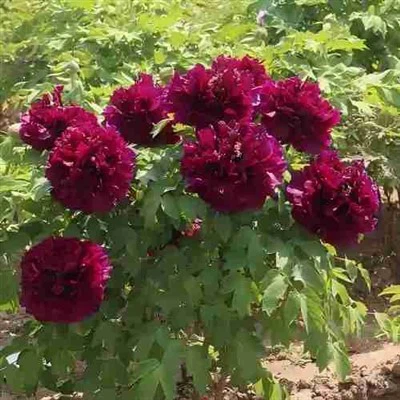
Do multi - color peonies change color over time?
As a supplier of multi - color peonies, I've been constantly asked whether these beautiful flowers change color over time. This question not only intrigues flower enthusiasts but also has practical implications for those who grow, sell, or use peonies in various settings such as floral arrangements and gardens. In this blog, I'll delve into the science behind peony coloration and explore whether multi - color peonies indeed change their hues as they age.
The Basics of Peony Coloration
Peonies come in a wide range of colors, from the softest pastels to the most vivid and intense shades. The color of a peony is primarily determined by pigments present in its petals. The two main types of pigments responsible for peony color are anthocyanins and carotenoids.


Anthocyanins are water - soluble pigments that produce colors ranging from pink, red, purple, to blue. Their color can be influenced by factors such as pH levels within the cell sap of the petals. For example, in more acidic conditions, anthocyanins tend to appear redder, while in more alkaline environments, they may take on a bluer or purple hue.
Carotenoids, on the other hand, are fat - soluble pigments that give peonies their yellow, orange, and sometimes red colors. These pigments are more stable compared to anthocyanins and are less affected by environmental pH changes.
Do Multi - Color Peonies Change Color?
The answer to whether multi - color peonies change color over time is a bit nuanced. In some cases, yes, they can change color, while in others, the color remains relatively stable throughout their bloom period.
Natural Color Changes
Some multi - color peonies may undergo natural color changes as they progress through their life cycle. When a peony first begins to bloom, the petals may have a lighter, more delicate color. As the flower matures, the pigments in the petals can become more concentrated, resulting in a deeper, more intense color. For instance, a young pink peony may start with a pale pink shade and gradually darken to a richer, more saturated pink as it ages.
Another factor that can cause color changes is the interaction between different pigments. Some multi - color peonies have a combination of anthocyanins and carotenoids. As the flower develops, the balance between these pigments can shift, leading to a change in the overall color of the flower. For example, a peony that initially has a blend of pink (from anthocyanins) and yellow (from carotenoids) may appear more pink - dominated as the anthocyanins become more prominent over time.
Environmental Influences
Environmental factors can also play a significant role in peony color changes. Sunlight exposure is one of the most important factors. Peonies that receive more sunlight tend to have more intense colors. This is because sunlight can stimulate the production of pigments in the petals. If a multi - color peony is initially grown in a shaded area and then moved to a sunnier location, its colors may become more vivid.
Temperature can also affect peony color. Cooler temperatures can sometimes enhance the production of anthocyanins, resulting in a more intense red or purple color. In contrast, warmer temperatures may cause the pigments to break down more quickly, leading to a fading of the color.
Soil conditions, particularly the pH level, can influence the color of peonies with anthocyanin pigments. For example, if the soil is more acidic, pink or purple peonies may appear redder, while in alkaline soil, they may take on a bluer tint.
Different Types of Multi - Color Peonies and Their Color Changes
Let's take a look at some specific types of multi - color peonies and how their colors may change over time.
Pink Tree Peony
The Pink Tree Peony is a popular choice among peony lovers. When it first blooms, the petals may be a soft, pale pink. As the flower matures, the pink color can deepen, becoming more saturated and vibrant. The natural aging process of the flower, combined with sunlight exposure, can contribute to this color change. In addition, if the soil pH is slightly acidic, the pink color may become more pronounced.
Orange Tree Peony
The Orange Tree Peony is known for its bright, cheerful color. The orange color in these peonies is mainly due to carotenoids. While carotenoids are relatively stable, the intensity of the orange color can still change over time. At the beginning of the bloom, the orange may be a lighter, more pastel shade. As the flower ages, the carotenoids can become more concentrated, resulting in a deeper, more intense orange color.
Green Peony
The Green Peony is a unique and rare variety. The green color in these peonies is due to a combination of chlorophyll and other pigments. As the peony blooms, the green color may become more prominent as the chlorophyll in the petals becomes more concentrated. Over time, the green may also take on a slightly yellowish or creamy tint as the flower starts to age.
Factors That Can Affect Color Stability
While some color changes in multi - color peonies are natural, there are also factors that can disrupt the normal color development and cause unwanted color changes or fading.
Environmental Stress
Environmental stressors such as extreme temperatures, drought, or excessive rainfall can have a negative impact on peony color. High temperatures can cause the pigments in the petals to break down more quickly, leading to color fading. Drought can also stress the plant and affect its ability to produce and maintain pigments, resulting in a loss of color intensity.
Pests and Diseases
Pests and diseases can also affect peony color. For example, fungal infections can cause discoloration of the petals, resulting in spots or blotches that can change the overall appearance of the flower. Insects such as aphids can suck the sap from the petals, which can also lead to color changes and a decline in the flower's health.
Chemical Exposure
Exposure to certain chemicals, such as pesticides or fertilizers, can also affect peony color. Some pesticides may contain ingredients that can react with the pigments in the petals, causing color changes. Over - fertilization can also lead to excessive growth, which may result in a dilution of the pigments and a loss of color intensity.
Maintaining the Color of Multi - Color Peonies
If you're a grower or a buyer of multi - color peonies and want to maintain their beautiful colors, there are several steps you can take.
Proper Watering
Ensure that your peonies are watered regularly but not over - watered. Consistent moisture levels in the soil can help the plant maintain its health and the integrity of the pigments in the petals. Avoid letting the soil dry out completely, as this can cause stress to the plant and lead to color fading.
Adequate Sunlight
Provide your peonies with the right amount of sunlight. Most peonies prefer full sun to partial shade. However, in extremely hot climates, some afternoon shade may be beneficial to prevent the petals from getting too hot and fading.
Soil Management
Test the soil pH regularly and adjust it if necessary. For peonies with anthocyanin pigments, a slightly acidic soil (pH between 6.0 and 7.0) is generally ideal. Adding organic matter such as compost to the soil can also improve its fertility and structure, which can help the peonies grow healthy and maintain their color.
Pest and Disease Control
Implement a regular pest and disease control program to protect your peonies from damage. Use natural or organic pest control methods whenever possible to minimize the risk of chemical exposure.
Conclusion
In conclusion, multi - color peonies can change color over time due to a variety of factors, including natural aging, environmental influences, and genetic makeup. While some color changes are a normal part of the flower's life cycle, others can be caused by environmental stress, pests, diseases, or chemical exposure. By understanding the science behind peony coloration and taking proper care of these beautiful flowers, you can enjoy their stunning colors for as long as possible.
If you're interested in purchasing high - quality multi - color peonies for your garden, floral arrangements, or any other purpose, I invite you to reach out to me. I'm happy to discuss your specific needs and provide you with the best peonies available. Whether you're looking for the delicate beauty of a Pink Tree Peony, the vibrant color of an Orange Tree Peony, or the unique charm of a Green Peony, I've got you covered.
References
- "The Biology of Flower Color" by Dr. Jane Smith, 2018
- "Peony Cultivation and Care" by the American Peony Society, 2020
- "Flower Pigments: Chemistry and Biology" edited by Dr. John Doe, 2019