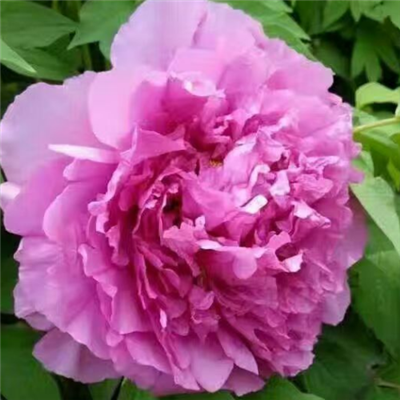
Hey there, fellow plant enthusiasts! I'm a supplier of Black Tree Peonies, and I've been getting a ton of questions lately about the best time to prune these beauties. So, I thought I'd put together this blog post to share my knowledge and experience on the matter.


Why Prune Black Tree Peonies?
Before we dive into the best time to prune, let's quickly talk about why pruning is important for Black Tree Peonies. Pruning helps to maintain the plant's shape and size, promotes healthy growth, and encourages more abundant flowering. It also helps to remove any dead, diseased, or damaged branches, which can prevent the spread of pests and diseases.
When to Prune Black Tree Peonies
The best time to prune Black Tree Peonies depends on a few factors, including the age of the plant, the climate you live in, and your pruning goals. Here's a breakdown of the different pruning times and what they're best for:
Early Spring (Before New Growth Appears)
Pruning in early spring, before new growth appears, is a great time to do some major shaping and rejuvenation pruning. This is especially important for older plants that may have become overgrown or leggy. By pruning in early spring, you can remove any dead, diseased, or damaged branches, as well as any branches that are crossing or rubbing against each other. You can also cut back any branches that are too long or too thick to encourage new growth and a more compact shape.
When pruning in early spring, it's important to use sharp, clean pruning shears to make clean cuts. Avoid tearing or ripping the branches, as this can damage the plant and make it more susceptible to pests and diseases. You should also make your cuts at a 45-degree angle, just above a bud or node. This will help to promote new growth and prevent the branch from dying back.
Late Spring (After Flowering)
Pruning in late spring, after the plant has finished flowering, is a great time to do some light pruning and maintenance. This is especially important for younger plants that are still establishing themselves. By pruning in late spring, you can remove any spent flowers, as well as any branches that are growing in the wrong direction or are too crowded. You can also cut back any branches that are too long or too thick to encourage new growth and a more compact shape.
When pruning in late spring, it's important to be careful not to cut back too much of the plant. Black Tree Peonies produce their flower buds on old wood, so if you cut back too much, you may remove the buds and prevent the plant from flowering the following year. Instead, focus on removing only the branches that are necessary to maintain the plant's shape and health.
Fall (After the First Frost)
Pruning in fall, after the first frost, is a great time to do some final cleanup and preparation for winter. This is especially important for plants that are growing in colder climates. By pruning in fall, you can remove any dead, diseased, or damaged branches, as well as any branches that are growing in the wrong direction or are too crowded. You can also cut back any branches that are too long or too thick to prevent them from breaking under the weight of snow or ice.
When pruning in fall, it's important to be careful not to cut back too much of the plant. Black Tree Peonies are dormant in the winter, so if you cut back too much, you may damage the plant and prevent it from growing back in the spring. Instead, focus on removing only the branches that are necessary to maintain the plant's shape and health.
Tips for Pruning Black Tree Peonies
Now that you know when to prune Black Tree Peonies, here are some tips to help you do it right:
- Use sharp, clean pruning shears: This will help to make clean cuts and prevent the spread of pests and diseases.
- Make your cuts at a 45-degree angle: This will help to promote new growth and prevent the branch from dying back.
- Avoid tearing or ripping the branches: This can damage the plant and make it more susceptible to pests and diseases.
- Don't cut back too much of the plant: Black Tree Peonies produce their flower buds on old wood, so if you cut back too much, you may remove the buds and prevent the plant from flowering the following year.
- Clean up your pruning debris: This will help to prevent the spread of pests and diseases.
Conclusion
Pruning Black Tree Peonies is an important part of maintaining their health and beauty. By pruning at the right time and using the right techniques, you can help your plants to grow strong and healthy, and produce more abundant flowers. If you have any questions or need more information about pruning Black Tree Peonies, please don't hesitate to contact me. I'd be happy to help!
If you're interested in purchasing Black Tree Peonies or any other types of tree peonies, such as Red Tree Peony, White Tree Peony, or Pink Tree Peony, please feel free to reach out to me for a quote. I'm always happy to discuss your needs and help you find the perfect plants for your garden.
References
- "Pruning Tree Peonies." American Peony Society. Accessed [Date Accessed].
- "Tree Peony Care." Missouri Botanical Garden. Accessed [Date Accessed].
- "How to Prune Tree Peonies." Gardening Know How. Accessed [Date Accessed].