Hey there, fellow peony enthusiasts! I'm a supplier of native peonies, and today I want to chat about something super important for growing these gorgeous flowers: the hardiness zone.
So, what exactly is a hardiness zone? Well, it's basically a way to figure out which plants can thrive in a specific area based on the average minimum winter temperature. The United States Department of Agriculture (USDA) came up with this handy system, and it divides the country into 13 zones, with each zone representing a 10°F difference in the average annual minimum temperature.
Now, let's talk about native peonies. These beauties have been around for ages and come in a wide variety of colors, shapes, and sizes. They're known for their large, showy blooms and sweet fragrance, making them a favorite among gardeners.
Native peonies are generally hardy in zones 3 - 8. Zone 3 has an average minimum temperature of -40°F to -30°F, while zone 8 has an average minimum temperature of 10°F to 20°F. This means that if you live in one of these zones, you're in luck! You can grow native peonies in your garden without too much trouble.
But why is it so important to know the hardiness zone for native peonies? Well, if you plant them in a zone that's too cold, they might not survive the winter. On the other hand, if you plant them in a zone that's too warm, they might not get enough chill hours to bloom properly. Chill hours are the number of hours below a certain temperature (usually around 45°F) that a plant needs to break dormancy and flower.
Let's take a closer look at some popular native peonies and their hardiness zones.
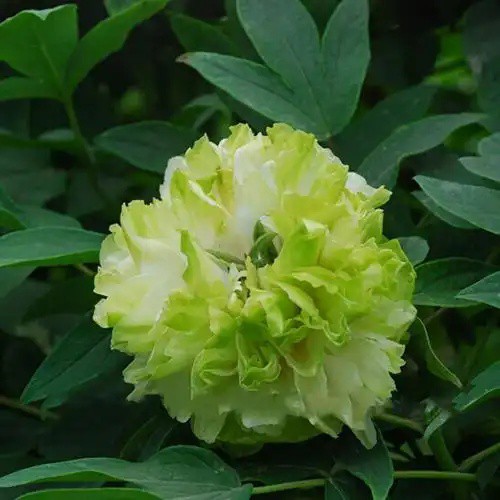
First up, we have the Green Screen Hidden Jade Peony. This unique peony has beautiful greenish - white petals that look like a hidden jade screen. It's hardy in zones 4 - 7. If you live in an area where the winter temperatures don't drop below -30°F and don't go above 10°F in the coldest months, this peony will be a great addition to your garden.
Next is the Blue Hibiscus Peony. Despite its name, it doesn't have a true blue color but rather a soft lavender - blue hue. This peony is also hardy in zones 4 - 7. It can tolerate cold winters as long as it's properly mulched to protect the roots from freezing.
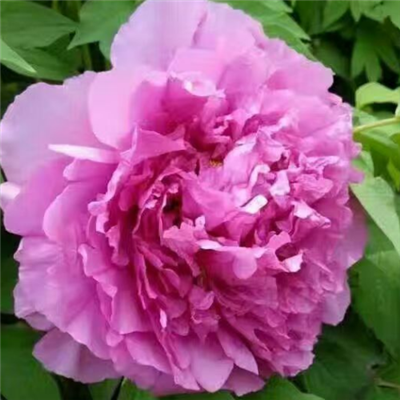
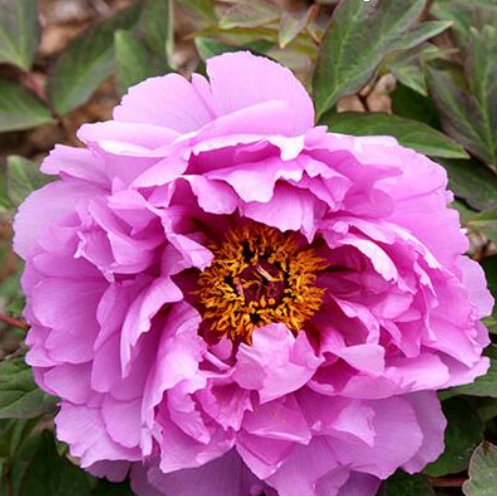
And then there's the Zhaofen Peony. This peony is known for its large, double - flowered blooms in a lovely pink color. It's hardy in zones 3 - 8, which means it's one of the more adaptable native peonies. Whether you live in a cold climate or a relatively mild one, you can give this peony a try.
When you're planning to plant native peonies, it's not just about the hardiness zone. You also need to consider other factors like soil type, sunlight, and water requirements. Native peonies prefer well - drained soil that's rich in organic matter. They also need at least 6 hours of sunlight a day to grow and bloom properly. And don't overwater them; they don't like soggy soil.
If you're new to growing peonies, here are some tips to help you get started. First, plant your peonies in the fall. This gives them time to establish their roots before the winter. Dig a hole that's about 2 feet wide and 1 foot deep, and mix in some compost or well - rotted manure. Place the peony root in the hole, making sure the eyes (the small buds on the root) are no more than 2 inches below the soil surface. Then, backfill the hole and water it well.
In the spring, when the new growth starts to appear, you can add a slow - release fertilizer to give your peonies a boost. And as the flowers start to form, you might want to stake them to prevent them from falling over, especially if you have heavy - blooming varieties.
Now, I know you might be thinking, "Okay, this all sounds great, but where can I get these native peonies?" Well, that's where I come in! As a native peony supplier, I have a wide selection of high - quality peonies that are ready to be planted in your garden. Whether you're looking for a specific variety or just want to try a few different ones, I can help you find the perfect peonies for your hardiness zone.
If you're interested in purchasing native peonies from me, just reach out. We can discuss your needs, the best varieties for your area, and get you set up with some beautiful peonies that will make your garden the envy of the neighborhood.
In conclusion, understanding the hardiness zone for native peonies is crucial for successful gardening. By choosing the right peonies for your zone and taking proper care of them, you can enjoy their stunning blooms year after year. So, don't hesitate to get in touch if you're ready to add some native peonies to your garden. Let's make your gardening dreams come true!
References
- United States Department of Agriculture (USDA) Plant Hardiness Zone Map
- Various horticultural books on peony cultivation