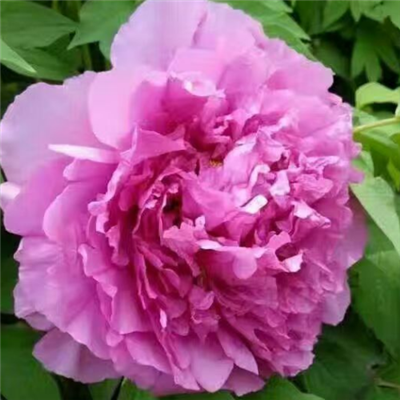
Hey there! I'm a supplier of Blue Tree Peonies, and I'm super stoked to share some cool stuff about companion plants for these gorgeous flowers. Blue Tree Peonies are like the rockstars of the garden, with their stunning blooms and unique color. But just like any rockstar, they look even better when they've got some great backup. That's where companion plants come in!
Why Companion Plants Matter
Companion planting isn't just about making your garden look pretty (although that's a huge bonus). It's also about creating a healthy ecosystem where plants can support and protect each other. Some companion plants can attract beneficial insects, like bees and butterflies, which help with pollination. Others can repel pests, reducing the need for pesticides. And some can even improve the soil quality, providing nutrients that the Blue Tree Peonies need to thrive.
Best Companion Plants for Blue Tree Peonies
1. Lavender
Lavender is a classic companion plant for many reasons. First of all, it looks amazing next to Blue Tree Peonies. The soft purple hues of lavender complement the blue tones of the peonies, creating a beautiful color contrast. But it's not just about looks. Lavender is also known for its ability to attract pollinators, like bees and butterflies. These insects are essential for the peonies to produce seeds and reproduce. Plus, lavender has a strong scent that can repel pests, such as aphids and moths. So, by planting lavender near your Blue Tree Peonies, you're not only making your garden look great but also helping to keep it pest-free.
2. Salvia
Salvia is another great companion plant for Blue Tree Peonies. It comes in a variety of colors, including purple, red, and pink, so you can choose the one that best matches your peonies. Like lavender, salvia is a magnet for pollinators, which is a huge plus. It also has a long blooming period, which means it can provide color and interest in your garden for several months. In addition, salvia is drought-tolerant, making it a great choice for areas with hot, dry summers.
3. Alliums
Alliums are a family of plants that includes onions, garlic, and chives. But when it comes to companion planting, we're talking about the ornamental alliums, which have large, spherical flowers that look like exploding fireworks. These flowers come in a range of colors, from purple to white, and they add a touch of drama to any garden. Alliums are also known for their ability to repel pests, such as nematodes and aphids. So, by planting alliums near your Blue Tree Peonies, you're helping to protect them from these harmful insects.


4. Daffodils
Daffodils are one of the first flowers to bloom in the spring, and they're a great way to add some color to your garden after a long, cold winter. They come in a variety of colors, including yellow, white, and orange, and they look great next to Blue Tree Peonies. Daffodils are also known for their ability to naturalize, which means they will come back year after year without any additional planting. Plus, they're toxic to deer and rabbits, so they can help to protect your peonies from being eaten.
5. Hostas
Hostas are a popular choice for shade gardens, and they're also a great companion plant for Blue Tree Peonies. These plants have large, lush leaves that come in a variety of colors, from green to blue to variegated. Hostas are also known for their ability to tolerate shade, which makes them a great choice for areas where the peonies may not get full sun. In addition, hostas can help to suppress weeds, which can compete with the peonies for nutrients and water.
Other Considerations
When choosing companion plants for your Blue Tree Peonies, there are a few other things to keep in mind. First of all, make sure you choose plants that have similar growing requirements. For example, if your peonies prefer full sun, don't plant them next to plants that need shade. Also, consider the size and shape of the plants. You don't want to plant something that will overshadow or crowd out your peonies. Finally, think about the bloom time of the plants. You want to choose plants that will bloom at different times throughout the season, so you have a continuous display of color in your garden.
Where to Find Companion Plants
If you're looking for companion plants for your Blue Tree Peonies, there are several places you can look. Your local nursery or garden center is a great place to start. They will have a variety of plants to choose from, and the staff can help you select the ones that are best suited for your garden. You can also order plants online from a reputable nursery. This is a great option if you're looking for a specific variety of plant that may not be available at your local nursery.
Conclusion
Companion planting is a great way to enhance the beauty and health of your Blue Tree Peonies. By choosing the right companion plants, you can create a garden that is not only visually stunning but also beneficial for the environment. So, if you're a Blue Tree Peony supplier like me, I encourage you to share this information with your customers. And if you're a gardener looking to add some Blue Tree Peonies to your garden, I hope this blog has given you some ideas for companion plants.
If you're interested in purchasing Blue Tree Peonies or learning more about companion planting, feel free to reach out. I'd be happy to chat with you about your gardening needs and help you create the perfect garden.
References
- "Companion Planting Guide" by The Old Farmer's Almanac
- "The Well-Tended Perennial Garden" by Tracy DiSabato-Aust
- "Plant Partners: Science-Based Companion Planting Strategies for the Vegetable Garden" by Jessica Walliser