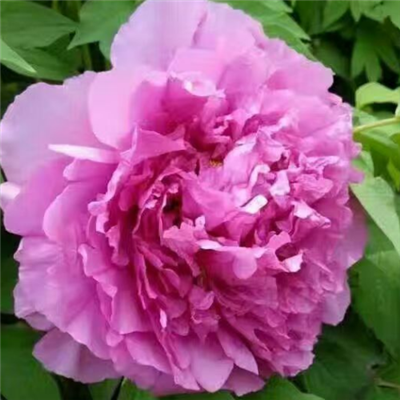
As a supplier of Blue Fuji Peonies, I've witnessed the beauty and allure these flowers bring to any space. However, it's disheartening to see a once - vibrant Blue Fuji Peony on the verge of withering. In this blog, I'll share some scientific and practical methods to revive a dying Blue Fuji Peony.
Understanding the Blue Fuji Peony
Before we delve into the revival process, it's crucial to understand the nature of the Blue Fuji Peony. These peonies are known for their large, showy blooms and delicate fragrance. They thrive in well - drained soil, plenty of sunlight, and a temperate climate. When a Blue Fuji Peony starts to decline, it could be due to a variety of factors such as improper watering, nutrient deficiencies, pest infestations, or diseases.
Assessing the Problem
The first step in reviving a dying Blue Fuji Peony is to assess the problem accurately. Look for signs such as yellowing leaves, wilting, or stunted growth. Check the soil moisture level. If the soil is too dry, the peony may be suffering from dehydration. On the other hand, if the soil is waterlogged, it could lead to root rot. Examine the leaves and stems for any signs of pests like aphids or diseases such as powdery mildew.
Adjusting Watering Practices
Watering is one of the most critical factors in the health of a Blue Fuji Peony. If the soil is dry, water the plant deeply but infrequently. A good rule of thumb is to water the peony when the top 2 - 3 inches of soil are dry. Avoid over - watering, as this can suffocate the roots and lead to root rot. Use a soaker hose or a watering can to water the base of the plant, rather than spraying the leaves, as wet leaves can promote the growth of fungi.
Nutrient Management
Blue Fuji Peonies require a balanced supply of nutrients to thrive. A lack of essential nutrients can cause the plant to weaken and eventually die. Use a slow - release fertilizer formulated for peonies in the early spring. This will provide a steady supply of nutrients throughout the growing season. You can also add organic matter such as compost or well - rotted manure to the soil to improve its fertility.
Pruning and Deadheading
Pruning is an important part of maintaining the health of a Blue Fuji Peony. Remove any dead, damaged, or diseased branches or leaves. This will not only improve the appearance of the plant but also prevent the spread of diseases. Deadheading, or removing spent flowers, will encourage the plant to put its energy into new growth rather than seed production. Cut the flower stem just above a set of healthy leaves.
Pest and Disease Control
Pests and diseases can quickly take a toll on a Blue Fuji Peony. Aphids, for example, can suck the sap from the leaves and stems, causing them to wilt and yellow. To control aphids, you can use a mild insecticidal soap or a neem oil spray. Powdery mildew is a common fungal disease that can affect peonies. To prevent and treat powdery mildew, ensure good air circulation around the plant, avoid overhead watering, and apply a fungicide if necessary.
Providing Adequate Sunlight
Blue Fuji Peonies need at least 6 - 8 hours of sunlight per day to grow and bloom properly. If the plant is not getting enough sunlight, it may become weak and leggy. Make sure the peony is planted in a location where it can receive full sun. If necessary, you can prune nearby trees or shrubs to allow more sunlight to reach the plant.
Comparing with Other Peony Varieties
While we focus on reviving the Blue Fuji Peony, it's interesting to compare it with other popular peony varieties. The Charles White Peony is known for its large, pure - white blooms. It has a similar growing requirement to the Blue Fuji Peony in terms of sunlight and soil conditions. The Angel Cheeks Peony features soft pink flowers with a delicate fragrance. It also thrives in well - drained soil and full sun. The Red Charm Peony is a showstopper with its vibrant red blooms. These varieties can serve as a reference for understanding the general care requirements of peonies.
Reviving a Severely Dying Peony
If the Blue Fuji Peony is severely dying, you may need to take more drastic measures. One option is to dig up the plant and inspect the roots. If the roots are rotted, cut away the damaged parts and soak the remaining roots in a fungicide solution. Replant the peony in fresh, well - drained soil at the correct depth. Make sure to water it thoroughly after replanting.


Monitoring and Maintenance
After taking steps to revive the Blue Fuji Peony, it's important to monitor the plant closely. Check the soil moisture, look for signs of new growth, and watch out for any pests or diseases. Regularly fertilize the plant according to the recommended schedule. With proper care and attention, your Blue Fuji Peony should start to recover and thrive.
Conclusion
Reviving a dying Blue Fuji Peony requires patience, knowledge, and the right approach. By understanding the plant's needs, assessing the problem accurately, and taking appropriate measures, you can bring your peony back to life. As a supplier of Blue Fuji Peonies, I'm always here to provide more information and guidance on peony care. If you're interested in purchasing Blue Fuji Peonies or have any questions about peony revival, feel free to reach out for a purchase negotiation.
References
- "The Complete Guide to Peony Care" by Gardening Experts
- "Peony Diseases and Their Control" by Horticultural Research Institute