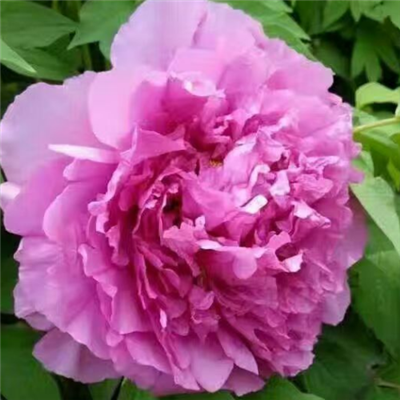
Hey there, fellow peony enthusiasts! I'm a supplier of Red Tree Peonies, and I've seen firsthand how these gorgeous flowers can light up any garden. But like all plants, Red Tree Peonies can face their fair share of diseases. Today, I'm going to share some tips on how to improve the disease resistance of Red Tree Peonies.
Understanding Red Tree Peonies
First off, let's talk a bit about Red Tree Peonies. These beauties are known for their large, vibrant red blooms that can really make a statement. They're a type of tree peony, which are woody shrubs that can grow quite tall and live for many years. Red Tree Peonies are relatively hardy, but they can still be susceptible to certain diseases, especially if they're not cared for properly.
Common Diseases Affecting Red Tree Peonies
One of the most common diseases that affect Red Tree Peonies is botrytis blight. This fungal disease can cause the flowers, leaves, and stems to turn brown and mushy. It usually occurs in wet, humid conditions, so it's important to make sure your peonies have good air circulation. Another disease to watch out for is leaf spot, which is caused by various fungi. Leaf spot can cause dark spots to appear on the leaves, and if left untreated, it can lead to defoliation.
Improving Disease Resistance through Proper Planting
The first step in improving the disease resistance of Red Tree Peonies is to plant them in the right location. Red Tree Peonies prefer well-drained soil that's rich in organic matter. They also need plenty of sunlight, but they can benefit from some afternoon shade in hot climates. Make sure to plant your peonies at the right depth – the graft union should be about 2 to 3 inches below the soil surface.
When planting multiple Red Tree Peonies, give them enough space to grow. Crowding can lead to poor air circulation, which can increase the risk of disease. A good rule of thumb is to space them about 3 to 4 feet apart.
Soil Management
Healthy soil is the foundation for healthy plants. To improve the disease resistance of your Red Tree Peonies, it's important to keep the soil in good condition. You can do this by adding organic matter, such as compost or well-rotted manure, to the soil. Organic matter helps to improve soil structure, retain moisture, and provide nutrients for the plants.
It's also a good idea to test your soil regularly to make sure the pH is in the right range. Red Tree Peonies prefer a slightly acidic to neutral soil pH, around 6.5 to 7.0. If your soil is too acidic or alkaline, you can adjust the pH by adding lime or sulfur.
Watering and Irrigation
Proper watering is crucial for the health of Red Tree Peonies. These plants don't like to be overwatered, as this can lead to root rot. On the other hand, they also need enough water to stay healthy. The key is to water deeply but infrequently.
During the growing season, water your Red Tree Peonies about once a week, or more often if the weather is hot and dry. Make sure to water at the base of the plant, rather than from above, to avoid getting the leaves wet. Wet leaves can increase the risk of fungal diseases.
Pruning and Maintenance
Regular pruning can help to improve the disease resistance of Red Tree Peonies. Pruning helps to remove dead, diseased, or damaged branches, which can reduce the spread of disease. It also helps to improve air circulation and sunlight penetration, which can keep the plants healthy.
Prune your Red Tree Peonies in the late winter or early spring, before new growth begins. Use clean, sharp pruning shears to make clean cuts. You can also remove any suckers that grow from the base of the plant, as these can compete with the main plant for nutrients.


Fertilization
Fertilizing your Red Tree Peonies can help to keep them healthy and improve their disease resistance. Use a balanced fertilizer, such as a 10-10-10 or 12-12-12, in the early spring, just as new growth begins. You can also apply a slow-release fertilizer in the fall to help the plants prepare for winter.
Be careful not to overfertilize, as this can lead to excessive growth, which can make the plants more susceptible to disease. Follow the instructions on the fertilizer package for the correct application rate.
Using Disease-Resistant Varieties
When choosing Red Tree Peonies, look for varieties that are known for their disease resistance. Some varieties are more resistant to certain diseases than others, so doing a bit of research can pay off in the long run.
There are also other beautiful peony varieties you might be interested in, such as Yellow Tree Peony, Green Peony, and Multi-color Peony. These can add a unique touch to your garden.
Monitoring and Early Detection
Regularly monitoring your Red Tree Peonies for signs of disease is essential. Check the leaves, flowers, and stems for any unusual spots, discoloration, or wilting. If you notice any signs of disease, take action immediately.
Early detection is key to preventing the spread of disease. If you catch a disease early, you may be able to treat it with a fungicide or other treatment. However, if the disease has spread too far, you may need to remove the infected plant to prevent it from spreading to other plants.
Conclusion
Improving the disease resistance of Red Tree Peonies takes a bit of effort, but it's definitely worth it. By following these tips on proper planting, soil management, watering, pruning, fertilization, and disease monitoring, you can help your Red Tree Peonies stay healthy and beautiful for years to come.
If you're interested in purchasing Red Tree Peonies or any of the other peony varieties I mentioned, I'd love to talk to you. Whether you're a home gardener looking to add some color to your yard or a commercial grower, I can provide you with high-quality peonies at competitive prices. Feel free to reach out and let's start a conversation about your peony needs.
References
- "The Complete Guide to Growing Tree Peonies" by XYZ Publishing
- "Peony Diseases and Their Control" by ABC University Extension