


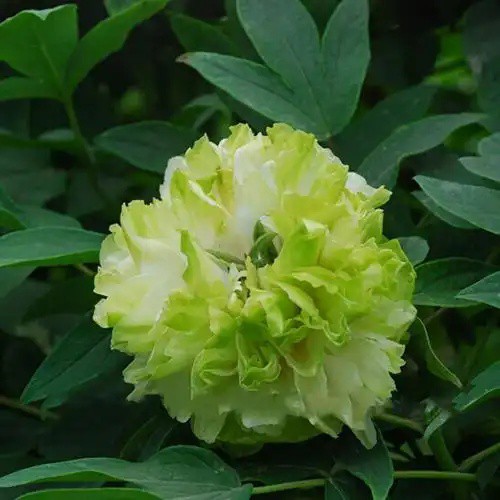
As a native peonies supplier, I've witnessed firsthand the challenges that pests can pose to these beautiful and delicate flowers. Native peonies, such as the Fragrant Jade Peony, Snow Reflects Peach Blossoms and Peonies, and Green Screen Hidden Jade Peony, are not only a source of aesthetic pleasure but also a valuable part of our business. In this blog, I'll share some effective strategies for dealing with pests on native peonies based on my years of experience.

Understanding the Common Pests
Before we can effectively combat pests, it's crucial to understand the common ones that affect native peonies. Some of the most prevalent pests include:
- Aphids: These small, soft-bodied insects feed on the sap of peony plants, causing stunted growth, distorted leaves, and the spread of diseases. Aphids are often found on the undersides of leaves and can reproduce rapidly, leading to large infestations if left untreated.
- Thrips: Thrips are tiny, slender insects that feed on the flowers and leaves of peonies. They can cause discoloration, scarring, and deformation of the petals, reducing the aesthetic value of the flowers. Thrips are particularly active during warm, dry weather.
- Spider Mites: Spider mites are not insects but rather arachnids. They are extremely small and can be difficult to detect with the naked eye. Spider mites feed on the sap of peony plants, causing yellowing, stippling, and webbing on the leaves. Severe infestations can lead to defoliation and reduced plant vigor.
- Japanese Beetles: These metallic green and bronze beetles are a common pest of peonies. They feed on the flowers, leaves, and buds, skeletonizing the foliage and causing significant damage. Japanese beetles are most active during the summer months.
Prevention is Key
The best way to deal with pests on native peonies is to prevent infestations from occurring in the first place. Here are some preventive measures you can take:
- Maintain Healthy Plants: Healthy plants are more resistant to pests and diseases. Provide your peonies with proper care, including adequate sunlight, water, and nutrients. Avoid over-fertilizing, as this can make the plants more attractive to pests.
- Practice Good Sanitation: Keep the area around your peony plants clean and free of debris. Remove fallen leaves, flowers, and other plant material regularly to eliminate hiding places for pests. Prune any damaged or diseased branches to prevent the spread of pests and diseases.
- Use Companion Planting: Certain plants can help repel pests and attract beneficial insects. Consider planting companion plants such as marigolds, garlic, chives, and nasturtiums near your peonies to deter pests.
- Monitor Your Plants Regularly: Regularly inspect your peony plants for signs of pests and diseases. Early detection is crucial for effective pest management. Look for symptoms such as yellowing leaves, distorted growth, webbing, and the presence of insects.
Natural Pest Control Methods
If you do notice pests on your native peonies, there are several natural pest control methods you can try before resorting to chemical pesticides. These methods are often safer for the environment, beneficial insects, and humans.
- Handpicking: For larger pests such as Japanese beetles, you can simply handpick them off the plants and drop them into a bucket of soapy water. This method is time-consuming but can be effective for small infestations.
- Water Spray: A strong stream of water can dislodge aphids, thrips, and spider mites from the plants. Use a garden hose with a nozzle attachment to spray the plants thoroughly, paying special attention to the undersides of leaves. Repeat this process every few days until the infestation is under control.
- Neem Oil: Neem oil is a natural insecticide and fungicide derived from the neem tree. It works by disrupting the feeding and reproductive cycles of pests, making it an effective treatment for aphids, thrips, spider mites, and other pests. Dilute neem oil according to the instructions on the label and spray it on the plants, covering all surfaces. Repeat the treatment every 7-10 days as needed.
- Insecticidal Soap: Insecticidal soap is a mild, non-toxic pesticide that can be used to control aphids, thrips, and spider mites. It works by suffocating the insects and disrupting their cell membranes. Dilute insecticidal soap according to the instructions on the label and spray it on the plants, making sure to cover all affected areas. Repeat the treatment every 5-7 days as needed.
- Beneficial Insects: Introducing beneficial insects such as ladybugs, lacewings, and parasitic wasps to your garden can help control pest populations naturally. These insects feed on aphids, thrips, and other pests, reducing the need for chemical pesticides. You can purchase beneficial insects from garden centers or online suppliers and release them near your peony plants.
Chemical Pest Control
If natural pest control methods are not effective in controlling the pest infestation, you may need to resort to chemical pesticides. However, it's important to use pesticides carefully and follow the instructions on the label to minimize the risk of harm to the environment, beneficial insects, and humans.
- Choose the Right Pesticide: Select a pesticide that is specifically formulated for the pests you are trying to control. Read the label carefully to ensure that the pesticide is safe to use on peonies and follow the recommended application rates and timing.
- Apply Pesticides Properly: Wear protective clothing, gloves, and a mask when applying pesticides. Apply the pesticide in the early morning or late evening when the temperature is cooler and the wind is calm to minimize drift. Make sure to cover all surfaces of the plants, including the undersides of leaves.
- Follow Safety Precautions: Keep children and pets away from the treated area until the pesticide has dried. Wash your hands thoroughly after handling pesticides. Store pesticides in a cool, dry place out of reach of children and pets.
Conclusion
Dealing with pests on native peonies can be a challenge, but with the right preventive measures and pest control methods, you can keep your plants healthy and beautiful. Remember to maintain healthy plants, practice good sanitation, monitor your plants regularly, and use natural pest control methods whenever possible. If chemical pesticides are necessary, use them carefully and follow the instructions on the label.
If you're interested in purchasing high-quality native peonies for your garden or business, I invite you to contact me for more information. I'm happy to answer any questions you may have and help you select the right peony varieties for your needs. Let's work together to create a beautiful and pest-free environment for your native peonies.
References
- "Peony Pests and Diseases." University of Minnesota Extension.
- "Controlling Pests on Peonies." Iowa State University Extension and Outreach.
- "Natural Pest Control for Peonies." The Old Farmer's Almanac.


