


Can tree peonies be transplanted? This is a question that many gardening enthusiasts and potential buyers often ask. As a tree peony supplier, I've encountered this query numerous times, and I'm here to provide you with comprehensive insights based on scientific knowledge and practical experience.
Tree peonies, known for their large, showy flowers and elegant appearance, are a prized addition to any garden. They belong to the Paeonia suffruticosa species and are native to China. These plants have a long - standing cultural significance and have been cultivated for centuries.
The Feasibility of Transplanting Tree Peonies
The short answer is yes, tree peonies can be transplanted, but it's a process that requires careful planning and execution. Tree peonies have a relatively deep and extensive root system. Unlike some other plants, they don't take kindly to being uprooted and moved without proper care.

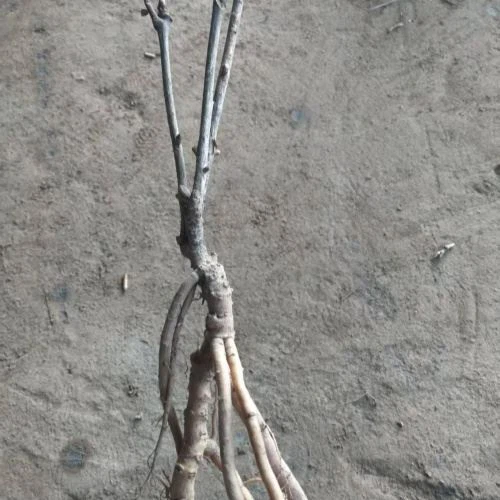
Ideal Transplanting Time
The best time to transplant tree peonies is during their dormant season, which typically falls between late autumn and early spring. In late autumn, after the leaves have fallen, the plant is in a state of rest, and the shock of transplantation is minimized. The soil is still relatively warm at this time, which allows the roots to establish some growth before the cold winter sets in. Early spring, just before new growth begins, is also a suitable time. The plant is still mostly dormant, and there is enough time for the roots to adjust to the new location before the active growing season.
Pre - transplant Preparation
Before you start the transplanting process, it's essential to prepare the new planting site. Tree peonies prefer well - drained, fertile soil with a slightly acidic to neutral pH. Choose a location that receives partial to full sun, although they can tolerate some shade, especially in hot climates. Dig a hole that is at least twice as wide and as deep as the root ball of the tree peony. Amend the soil with organic matter such as compost or well - rotted manure to improve its structure and fertility.
When it comes to the actual tree peony, water it thoroughly a few days before transplanting. This helps to keep the root ball intact and reduces stress on the plant. Use a sharp spade to dig around the plant, taking care to keep the root ball as large as possible. Try to dig at least 12 - 18 inches away from the base of the plant to avoid damaging the roots.
Transplanting Process
Once you've dug up the tree peony, carefully lift it from the ground, supporting the root ball. Place it in a wheelbarrow or a container to transport it to the new location. Lower the plant into the prepared hole, making sure that the top of the root ball is level with or slightly above the soil surface. Backfill the hole with the amended soil, gently tamping it down to remove air pockets. Water the plant thoroughly after planting to settle the soil around the roots.
Post - transplant Care
After transplanting, tree peonies need special care to help them recover. Water the plant regularly, especially during the first growing season. Keep the soil moist but not waterlogged. Mulching around the base of the plant can help to retain moisture, suppress weeds, and regulate soil temperature. Use a layer of organic mulch such as bark chips or straw, but keep it a few inches away from the stem to prevent rot.
It's also advisable to avoid fertilizing the tree peony immediately after transplanting. Wait until the following spring to apply a balanced, slow - release fertilizer. Pruning should be minimal in the first year after transplanting. Only remove any dead, damaged, or diseased branches.
Different Varieties of Tree Peonies
As a tree peony supplier, we offer a wide range of tree peony varieties. One of our popular varieties is the Red Sandalwood Smoke Peony. This variety is known for its unique red - toned flowers that have a smoky undertone, adding a touch of mystery to any garden. Another excellent option is the Island Peony, which has large, double - petaled flowers that are a sight to behold. And for those looking for a more affordable option, our 2 3 Buds Of Peony is a great choice. These plants come with a few buds, ready to bloom and bring color to your garden.
Common Challenges in Transplanting Tree Peonies
Despite following all the proper procedures, there can still be some challenges when transplanting tree peonies. One of the most common issues is transplant shock. This occurs when the plant experiences stress from being uprooted and moved. Symptoms of transplant shock include wilting, yellowing leaves, and slow growth. To minimize transplant shock, it's crucial to follow the pre - transplant and post - transplant care guidelines mentioned above.
Another challenge is root damage. If the roots are damaged during the digging process, the plant may have difficulty establishing itself in the new location. This can lead to poor growth and even death of the plant. Using sharp tools and being careful when digging around the plant can help to prevent root damage.
Conclusion
In conclusion, tree peonies can be successfully transplanted with the right knowledge and techniques. Whether you're a seasoned gardener or a beginner, following the proper steps for transplanting, pre - transplant preparation, and post - transplant care can ensure the health and vitality of your tree peony.
As a tree peony supplier, we are committed to providing high - quality plants and expert advice. If you're interested in purchasing tree peonies or have any questions about transplanting or caring for them, we encourage you to reach out to us for a procurement discussion. We can help you choose the right variety for your garden and provide you with all the necessary information to ensure a successful transplant.
References
- Armitage, A. M. (2008). Herbaceous Perennial Plants: A Treatise on Their Identification, Culture, and Garden Attributes. Timber Press.
- Dirr, M. A. (2009). Manual of Woody Landscape Plants: Their Identification, Ornamental Characteristics, Culture, Propagation and Uses. Stipes Publishing.
- Royal Horticultural Society. (2021). Tree Peonies. Retrieved from the Royal Horticultural Society website.


