Can Pink Tree Peony be grown in a Mediterranean climate?
As a supplier of Pink Tree Peonies, I often receive inquiries from gardening enthusiasts in Mediterranean - climate regions about the feasibility of growing these beautiful flowers in their areas. The Mediterranean climate is characterized by hot, dry summers and mild, wet winters, which presents a unique set of challenges and opportunities for cultivating Pink Tree Peonies.
Understanding the Pink Tree Peony
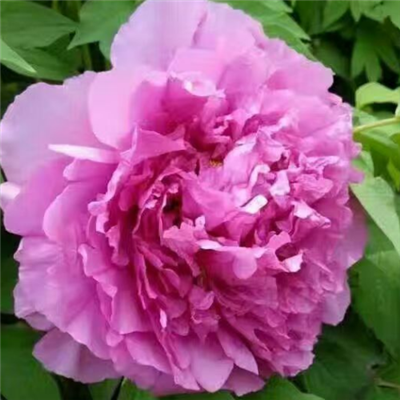
Pink Tree Peonies (Paeonia suffruticosa) are a sight to behold. Their large, showy pink blossoms can range from soft pastels to vibrant magentas, adding a touch of elegance and color to any garden. These peonies are woody shrubs that can reach heights of up to 1.5 - 2 meters. They are known for their long - lived nature and can be a focal point in a garden for decades if properly cared for.
The Mediterranean Climate
The Mediterranean climate is found in several regions around the world, including parts of southern Europe, California, South Africa, and Australia. The key features of this climate are:
- Summer Conditions: Summers are typically hot and dry, with temperatures often soaring above 30°C (86°F). There is very little rainfall during this period, which can lead to drought - like conditions.
- Winter Conditions: Winters are mild and wet, with average temperatures rarely dropping below freezing. The increased precipitation during winter provides a significant amount of moisture to the soil.
Challenges of Growing Pink Tree Peonies in a Mediterranean Climate
Summer Heat and Drought
One of the main challenges is the intense heat and lack of water in summer. Pink Tree Peonies prefer a more temperate climate and can struggle in the extreme heat of a Mediterranean summer. High temperatures can cause the plants to wilt, and the lack of moisture can lead to root stress. The peonies need a consistent supply of water to thrive, but over - watering in the hot summer can also lead to root rot, as the soil may not drain quickly enough.
Winter Moisture and Mild Temperatures
In the winter, while the increased moisture is beneficial, the mild temperatures can be a problem. Pink Tree Peonies require a period of cold dormancy to bloom properly. In a Mediterranean climate, the relatively mild winters may not provide enough cold hours for the plants to enter a deep dormancy. This can result in poor flower production or even the failure of the plant to bloom at all.
Adaptation Strategies
Soil Management
Proper soil management is crucial. The soil should be well - drained to prevent waterlogging during the wet winter months. Adding organic matter such as compost or well - rotted manure can improve soil structure and drainage. A slightly acidic to neutral soil pH (around 6.5 - 7.0) is ideal for Pink Tree Peonies.
Watering
During the summer, it is essential to water the peonies deeply but infrequently. This encourages the roots to grow deeper into the soil in search of moisture. Using a soaker hose or drip irrigation can help deliver water directly to the roots, reducing water loss through evaporation. In winter, while the plants need less water, it is still important to monitor the soil moisture to ensure it does not dry out completely.
Shade and Protection
Providing some shade during the hottest part of the summer can help protect the Pink Tree Peonies from the intense sun. This can be achieved through the use of shade cloth or by planting the peonies near taller plants that can offer natural shade. Additionally, protecting the plants from strong winds can prevent damage to the branches and flowers.
Cold Treatment
If the winter temperatures are not cold enough, artificial cold treatment can be considered. This involves storing the plants in a cold environment (such as a refrigerator) for a certain period to simulate winter dormancy. However, this method requires careful planning and monitoring to avoid damage to the plants.
Success Stories and Case Studies
There have been cases where gardeners in Mediterranean - climate regions have successfully grown Pink Tree Peonies. For example, in some coastal areas of California, where the ocean moderates the temperature, gardeners have been able to create micro - climates that are suitable for these peonies. By following the proper soil, watering, and protection techniques, they have been able to enjoy the beautiful blooms of Pink Tree Peonies in their gardens.
Other Tree Peony Colors and Their Suitability
In addition to Pink Tree Peonies, there are other colors of tree peonies that may also be considered for a Mediterranean - climate garden. You can explore the Blue Tree Peony, Black Tree Peony, and Orange Tree Peony options. Each color has its own unique charm and may have slightly different adaptability to the Mediterranean climate, but with proper care, they can all be part of a stunning garden display.


Contact for Purchase and Consultation
If you are interested in adding Pink Tree Peonies to your Mediterranean - climate garden, I invite you to contact me for more information and to discuss your specific needs. Whether you are a professional gardener or a hobbyist, I can provide guidance on the best varieties for your area, as well as tips on planting and care. I am committed to helping you achieve success in growing these beautiful flowers.
References
- Armitage, A. M. (2008). Herbaceous Perennial Plants: A Treatise on Their Identification, Culture, and Garden Attributes. Timber Press.
- Dirr, M. A. (2009). Manual of Woody Landscape Plants: Their Identification, Ornamental Characteristics, Culture, Propagation and Uses. Stipes Publishing.