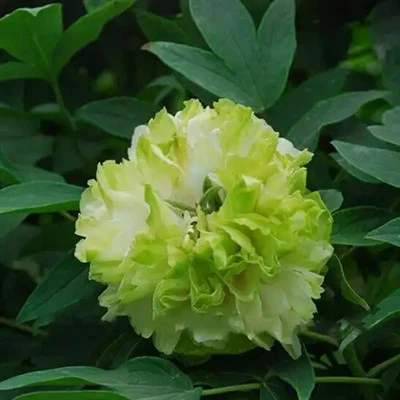
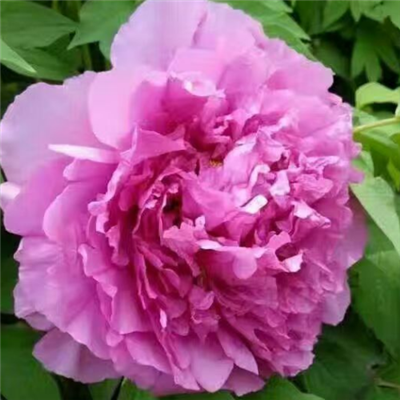
As a dedicated supplier of Yellow Tree Peonies, I've witnessed the beauty and allure these magnificent plants bring to gardens and landscapes. Originating from China, the Yellow Tree Peony (Paeonia rockii subsp. atava), also known as Paeonia lutea, is a rare and highly sought - after species. Its large, showy yellow blossoms are a sight to behold. However, like all living organisms, Yellow Tree Peonies are vulnerable to a variety of pests and diseases that can affect their health and appearance. In this blog, I'll discuss some of the most common pests and diseases that plague these precious plants and how to manage them.
Common Pests
Aphids
Aphids are tiny, soft - bodied insects that are often found on the undersides of leaves or on new growth. These pests suck the sap from the plant, which can lead to distorted leaves, stunted growth, and reduced flower production. Aphids reproduce rapidly, so early detection is crucial. You might notice a sticky substance called honeydew on the leaves, which is a tell - tale sign of an aphid infestation. The honeydew can also attract ants and promote the growth of sooty mold.
To manage aphids, you can start by using a strong stream of water to dislodge them from the plant. For more severe infestations, you can use insecticidal soaps or neem oil. These are natural and effective options that won't harm the beneficial insects in your garden. There are also systemic insecticides available, but I recommend using them as a last resort due to their potential impact on the environment.
Mealybugs
Mealybugs are another common pest that affects Yellow Tree Peonies. They look like small, white, cottony masses on the plant, usually in leaf axils, along stems, or on the undersides of leaves. Similar to aphids, mealybugs feed on the plant's sap, weakening the peony over time. They can also transmit plant diseases.


To get rid of mealybugs, you can use a cotton swab dipped in rubbing alcohol to dab on the insects. This will kill them on contact. For larger infestations, introducing natural predators such as ladybugs or lacewings can be an effective biological control method. You can also use insecticidal soaps or horticultural oils, applying them thoroughly to the affected areas of the plant.
Spider Mites
Spider mites are extremely small pests that are difficult to see with the naked eye. You may first notice their presence by the fine webbing they produce on the leaves and stems of the Yellow Tree Peony. These pests feed on the plant cells, causing a stippled or bronzed appearance on the leaves. Severe infestations can lead to leaf drop and significant damage to the plant.
Spider mites thrive in dry conditions, so increasing the humidity around the plant can help reduce their population. You can mist the plant regularly or place a tray of water near it. Insecticidal soaps, neem oil, or miticides can also be used to control spider mite infestations. Make sure to spray the undersides of the leaves where the mites are most likely to be found.
Common Diseases
Botrytis Blight
Botrytis blight, also known as gray mold, is a fungal disease that commonly affects Yellow Tree Peonies. It thrives in cool, humid conditions. Symptoms include brown or grayish spots on the leaves, flowers, and stems. The affected parts may become covered in a fuzzy, gray mold. The disease can spread rapidly, especially in crowded or poorly ventilated areas.
To prevent Botrytis blight, it's important to provide good air circulation around the plant. Avoid overhead watering, as wet leaves and flowers promote the growth of the fungus. If you notice signs of the disease, remove and destroy the infected parts immediately. Fungicides can be used to control the spread of Botrytis, but proper cultural practices are the first line of defense.
Phytophthora Root Rot
Phytophthora is a water - mold pathogen that causes root rot in Yellow Tree Peonies. This disease is often a result of poorly drained soil or overwatering. Infected plants may show symptoms such as yellowing leaves, wilting, and stunted growth. As the disease progresses, the roots become dark, mushy, and may eventually die.
To prevent Phytophthora root rot, plant your Yellow Tree Peonies in well - drained soil. Avoid overwatering, especially during periods of heavy rain. If you suspect root rot, carefully dig up the plant and inspect the roots. Trim away the infected parts and replant the peony in fresh, well - drained soil. There are also fungicides available that can help control Phytophthora, but prevention is key.
Anthracnose
Anthracnose is a fungal disease that causes brown or black lesions on the leaves, stems, and flowers of Yellow Tree Peonies. The lesions may have a distinct border and can be oval or irregular in shape. In wet weather, the disease can spread quickly and cause defoliation and reduced flower quality.
To manage anthracnose, remove and destroy any infected plant debris. Prune the plant to improve air circulation. Fungicidal sprays can be applied during the growing season, especially during periods of high humidity or rainfall. Make sure to follow the instructions on the fungicide label carefully.
Other Aspects of Peony Care
As a supplier of Yellow Tree Peonies, I also offer a wide range of other peony varieties, such as Orange Tree Peony, White Tree Peony, Red Tree Peony, and Multi - color Peony. Each of these varieties has its own unique charm, but all require similar care when it comes to pest and disease management.
Proper cultural practices, such as choosing the right location, providing adequate watering and fertilization, and regular pruning, are essential for maintaining the health of your peonies. By understanding the common pests and diseases that affect Yellow Tree Peonies, you can take proactive steps to prevent and manage these issues, ensuring that your plants thrive for years to come.
Contact for Purchase
If you're interested in adding the stunning Yellow Tree Peony to your collection or are looking for other peony varieties, I'm here to help. Whether you're a professional landscaper, a gardening enthusiast, or someone simply looking to enhance the beauty of your home garden, we have the peonies you need. Reach out to me to discuss your needs, and let's work together to bring the elegance of these remarkable plants to your space.