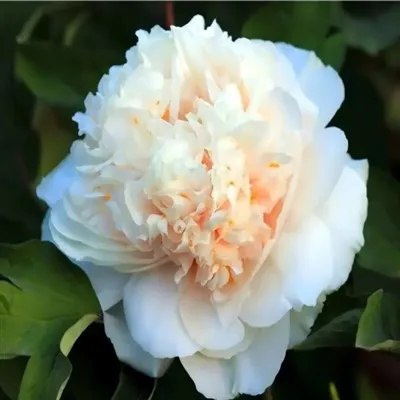
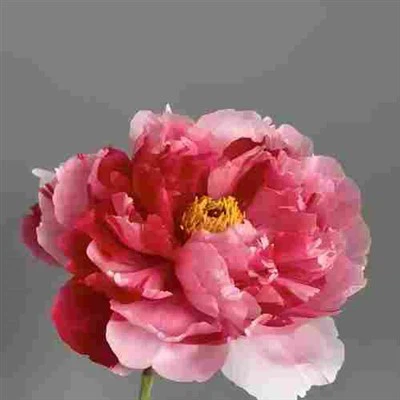
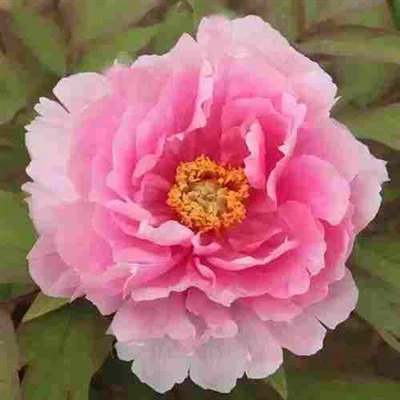
If you've ever wandered through a tree peony garden in late spring, you know why these woody-stemmed beauties captivate gardeners-their large, ruffled blooms, lush foliage, and timeless elegance feel like a luxury reserved for mild, Mediterranean climates. For years, I heard the same question from customers: "Can tree peonies really grow in cold climates?" As a tree peony supplier who's spent over a decade testing varieties in zones 3 and 4, I'm here to cut through the misinformation: yes, tree peonies can thrive in cold regions-if you choose the right varieties and plant them with care.
Let's start with the basics. Tree peonies (Paeonia suffruticosa) aren't actually "trees" in the traditional sense; they're deciduous shrubs with woody stems that live for decades, unlike their herbaceous peony cousins that die back to the ground each winter. Their native range spans China's mountainous regions, where they evolved to withstand harsh winters with freezing temperatures and dry, cold winds. That hardiness translates to surprising resilience in North America, Europe, and beyond, as long as you don't treat them like delicate greenhouse plants.
When I first launched my business, I made the mistake of importing only the most showy, warm-weather varieties, and lost nearly 30% of them in their first harsh winter. It taught me that not all tree peonies are created equal. The key to cold climate success is selecting varieties bred for winter hardiness, and avoiding those that need extended warm periods to set buds. One of my absolute favorites for cold zones is Paeonia Suffruticosa "Yao Huang"-a golden-yellow heirloom that's not only stunning, but reliably hardy down to zone 3. I've seen it bloom vibrantly in gardens in Minnesota, Ontario, and even parts of southern Alaska, as long as it has a little extra protection in its first two years.
Wait, you might be thinking-what about yellow tree peonies in general? Aren't they all fussy? The truth is, while some fancy hybrid yellows need mild winters, there are cold-hardy yellow varieties that fit the bill perfectly. For example, the classic Chinese yellows, like the Yao Huang I mentioned, are far more tolerant of cold than the modern hybrid yellows bred for ultra-hot climates. If you're shopping around, look for tree peonies labeled "zone 3 hardy" or "winter-hardy tree peonies for cold climates" to avoid disappointment. If you want to explore more yellow options tailored to cold regions, check out our collection of Yellow Tree Peony varieties, curated specifically for zones 3–5.
Planting is just as important as choosing the right variety, especially in cold climates. Unlike herbaceous peonies, which need to be planted shallow (their eyes just under the soil surface), tree peonies should be planted a bit deeper? No, wait-actually, that's a common mistake. Tree peonies have woody crowns that need to be planted at the same depth they were growing in their nursery pot. If you plant them too deep, they won't bloom well; too shallow, and their roots could be exposed to harsh winter frost. Another critical step for cold zones: winter mulch. After the first hard frost, I recommend piling 4–6 inches of straw, pine needles, or shredded bark around the base of the shrub, but be careful not to bury the woody stems themselves. This insulates the roots from extreme temperature swings and prevents frost heave, which can yank young plants out of the ground.
I also swear by field cultivation for cold climate tree peonies. When we grow our tree peonies in open fields, not in greenhouses, they develop thicker, sturdier stems and stronger root systems that are better equipped to handle cold winters. It's the same idea as acclimating a houseplant to outdoor conditions-field-grown plants are already used to temperature fluctuations, so they don't go into shock when moved to a cold garden. Our Field Cultivated Tree Peony collection consists of plants that have been growing in our cold-region fields for 2–3 years, so they're ready to thrive in your garden without the extra acclimation time.
One of the most fun surprises I've seen in cold climate gardens is multicolor tree peonies. You might think a shrub that blooms in pink, white, and red all at once would be too delicate for cold, but I've grown our Multi-color Peony varieties in zone 4 for years, and they come back stronger every spring. The variegation comes from a natural mutation that causes different colored blooms on the same shrub, not from grafting weaknesses, so they're every bit as hardy as solid-color varieties. They add a pop of unexpected beauty to a cold climate garden, and their blooms are always a conversation starter when visitors see them in late May.
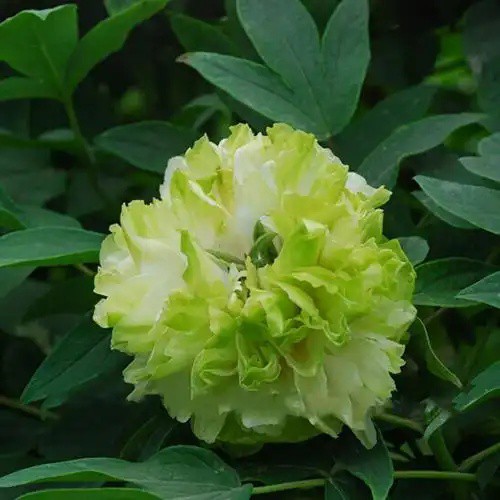
Of course, no tree peony is completely invincible in the harshest cold. Zone 2 gardeners-temperatures below -40°F-might struggle with even the hardiest varieties, especially if they're in windy, exposed spots. In those cases, planting tree peonies near a south-facing wall or fence that blocks harsh winds can make a huge difference. You can also wrap the woody stems in burlap in late winter to protect them from frost damage as new growth starts. For zone 3 and 4, though, you really don't need to worry about extra wrapping if you've chosen the right variety. My personal favorite "fail-safe" variety for zone 3 is the Green Screen Hidden Jade Peony-a delicate, pale green heirloom that has survived winters as cold as -35°F in my own garden. Its blooms are subtle and elegant, unlike the bold yellows or reds, but it's incredibly reliable, even for new tree peony growers.
Caring for cold climate tree peonies through the growing season is simpler than you might think. They need well-drained soil-tree peonies hate wet feet, especially in winter, when cold, soggy soil can cause root rot. If your garden has heavy clay, amend the soil with compost and sand before planting to improve drainage. They also need full sun-at least 6 hours a day-to set blooms, so avoid planting them under large trees that will shade them out. In late fall, after the leaves have turned yellow and dropped, you can do a light pruning to remove any dead or damaged stems, but avoid heavy pruning, as tree peonies bloom on old wood, and cutting back too much will rob you of blooms the next spring.
I get a lot of questions from gardeners in cold climates who've tried growing herbaceous peonies with success, but are nervous about tree peonies. The biggest myth I hear is that tree peonies are just for mild climates, but that's not true-heirloom Chinese varieties have been grown in cold northern China for centuries, long before they became popular in Western gardens. Modern breeding has only expanded their hardiness, making it easier than ever to grow them in places like Canada, the northern U.S., and even parts of Scandinavia.

As a supplier, my goal is to help gardeners in cold climates not just buy a tree peony, but keep it alive and thriving for decades. That's why I only offer varieties tested in our cold-region fields, and provide detailed planting and care instructions tailored to zones 3–5. I've had customers reach out to me from Manitoba, saying their Yao Huang tree peony has bloomed for 7 years straight, or from Maine, raving about their multi-color peony that survived a -30°F winter without a scratch. Those stories are why I do what I do.
If you're ready to add a tree peony to your cold climate garden, don't let old myths hold you back. Start by choosing a cold-hardy variety from a reputable supplier, plant it at the right depth in well-drained soil with full sun, and give it a good layer of mulch in its first few winters. The reward is worth every bit of effort: those large, fragrant blooms that arrive just when most spring flowers have faded, turning your garden into a stunning showstopper.
If you have questions about which tree peony is right for your climate, or want to inquire about bulk pricing for your garden or nursery, feel free to reach out for a consultation. We're here to help you pick the perfect varieties, whether you're looking for a bold yellow like the Paeonia Suffruticosa "Yao Huang", a multi-color standout, or a hardy field-grown shrub that will thrive in your cold climate.