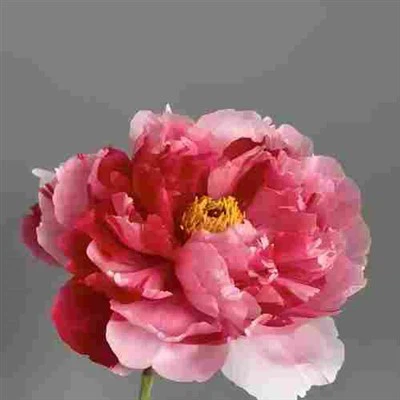
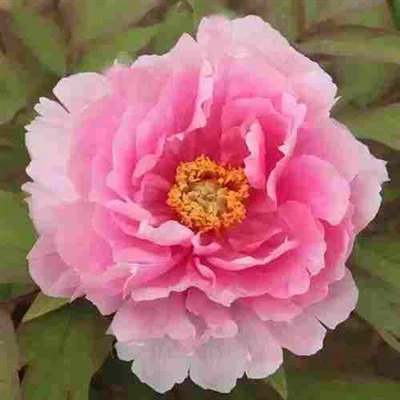
If you've ever wandered through a garden where tree peonies stand tall, their ruffled, luminous blooms catching the sunlight, you might've wondered if pairing them with other plants makes sense-especially if you're the type who's built a business around growing and supplying these iconic flowers. For the last seven years, I've run a small nursery specializing in Orange Tree Peony plants, and one question I get more than any other from fellow gardeners, landscapers, and even new customers is this: Can orange tree peonies really be grown with companion plants?
Short answer: Yes, but it depends on picking the right partners. Too often, people assume large, woody perennials like tree peonies need to dominate a planting bed, choking out smaller neighbors. Over time, I've learned that pairing orange tree peonies thoughtfully doesn't just work-it amplifies their vibrant, sunset-hued blooms while supporting a healthier, more dynamic garden ecosystem. Let's break down what makes a good companion, what to avoid, and how I've honed this practice with my own stock, because at the end of the day, I don't just sell Orange Tree Peony plants-I've grown and troubleshooted alongside them, so I know what works.
First, it helps to remember what orange tree peonies need to thrive. Unlike herbaceous peonies that die back to the ground each winter, tree peonies are woody shrubs, reaching 4 to 6 feet tall over 5 to 10 years, with roots that spread 2 to 3 feet deep. They love full sun (6 hours minimum a day) and well-drained soil rich in organic matter, and they're drought-tolerant once established, though they appreciate consistent moisture in their first three years. When choosing companions, we need plants that meet these same light and soil needs, don't compete aggressively for nutrients or water, and either complement the peony's bloom time or fill in gaps when the peony isn't showstopping.
One of my go-to companion plants that works seamlessly with orange tree peonies is lavender. Wait, I know-lavender is common, but that's because it's practical. Lavender thrives in the same full sun and well-drained soil as tree peonies, and its compact, silvery foliage sits at the base of the peony, filling in the bare lower 2 to 3 feet of the peony's woody stems. This is a huge win: without low-growing plants there, rain and sun can cause fungal diseases on the peony's lower branches, since moisture sits on bare wood. Lavender's aromatic foliage also repels common peony pests like aphids and Japanese beetles, which is a natural defense I've seen cut down on insect damage in my own test beds. I plant English lavender varieties (like 'Hidcote') within 12 to 18 inches of the peony's base, and they bloom in mid-summer, right when many early-blooming peonies are fading-so the garden has color well into July.
Another favorite companion is salvia, particularly the tall, spike-blooming varieties like 'Caradonna' or 'May Night'. These plants grow 2 to 3 feet tall, matching the mid-height of the peony's upper foliage, so they don't crowd the peony's bloom stems. Salvia blooms in late spring to early summer, overlapping with the start of the orange tree peony's bloom season (which for my stock is mid-May to early June in USDA zones 6 to 8). The deep purple or blue spikes of salvia are a stunning contrast to the peony's warm orange-think burnt sienna and tangerine blooms paired with violet spikes-and studies from the American Peony Society have shown that mixing complementary colors like this can make the peony's blooms look brighter, not washed out. For anyone looking to mix tree peonies of different hues, pairing orange with deep purple or blue also opens up fun combinations, but I always remind folks to check bloom times first.
Wait, speaking of different tree peony colors, if you're someone who loves variety, mixing orange peonies with other colored tree peonies creates a dynamic display that works beautifully. For example, pairing Orange Tree Peony with Black Tree Peony (those deep maroon, almost black blooms) or Yellow Tree Peony creates a layered garden with warm, bold tones that pop. I've also experimented with Multi-color Peony that have orange streaked with pink or red, which pairs surprisingly well with soft white peonies-though I'd caution against overcrowding too many tree peonies, since they need air circulation to stay healthy. Even adding a splash of Blue Tree Peony (rare, lavender-blue blooms) to the mix gives a cool counterpoint to the orange, and all these tree peony varieties share the same soil and sun needs, so they're natural companions for each other.
Now, not all companions are created equal, and there are some plants to steer clear of when growing orange tree peonies. First, avoid tall, aggressive grasses like giant reed grass or miscanthus 'Gracillimus'-they grow too wide and tall, casting too much shade on the peony's base and stealing nutrients from its deep roots. I learned this the hard way five years ago, when I planted a miscanthus next to an orange tree peony specimen that had been in my nursery's test bed for two years. By the third year, the grass had spread 5 feet wide, and the peony only produced three small blooms instead of its usual dozen. I had to dig up the grass and amend the soil with compost to get the peony back on track.
Another no-go is plants that need constant moisture or partial shade, like hostas or ferns. Orange tree peonies hate wet feet, so putting a water-loving plant nearby means you'll either overwater the peony to keep the hosta happy, or underwater the hosta and stress the peony. The same goes for heavy feeders like tomatoes or peppers-they'll compete with the peony for nitrogen and phosphorus, leading to stunted growth and fewer blooms. I also recommend staying away from low-growing groundcovers like creeping Jenny or ivy, which will smother the peony's base and trap moisture, increasing the risk of powdery mildew or botrytis blight.
One of the most common questions I get from customers is about spacing. When planting companion plants around a new orange tree peony (under three years old), I give them this rule: leave at least 18 inches of space between the peony's root ball and the nearest companion plant. Tree peonies grow slowly their first two years, but by year three, their root system is expanding fast, and you don't want to have to dig up a companion plant every two years to make room. For mature peonies (over five years old), you can move the companion plants closer, as long as they don't touch the peony's woody stems-still leave 6 to 12 inches of space for air circulation.
I also like to add a layer of mulch around the base of both the peony and its companion plants, using 2 to 3 inches of organic material like shredded bark or compost. This keeps the soil cool, retains moisture, and adds nutrients as it breaks down, which is perfect for both peonies and their companions. I never use fresh wood chips, though-they can rob the soil of nitrogen as they decompose, so I let chips sit for six months before applying them around my plants.
If you're planning a larger garden or landscape project, mixing orange tree peonies with native perennials can also support local pollinators, which is a bonus for anyone interested in sustainable gardening. Bees and butterflies love peony blooms, and pairing them with native plants like coneflowers (Echinacea purpurea) or black-eyed Susans (Rudbeckia hirta) gives pollinators a food source after the peony's bloom season ends. Coneflowers grow 2 to 4 feet tall, so they sit just below the peony's upper blooms, and their purple or pink flowers contrast beautifully with orange peonies. Black-eyed Susans add a bright yellow pop, which works well too, though I'd stick to shorter varieties (like 'Little Goldstar') so they don't block sunlight from the peony's base.
Over the years, I've supplied hundreds of orange tree peony plants to landscape designers, home gardeners, and even botanical gardens, and the most successful plantings I've seen are the ones that pair the peony with plants that work with its needs, not against them. I once worked with a designer in Portland who planted 'Kansas' orange tree peonies (one of my top-selling varieties) with English lavender, 'Caradonna' salvia, and 'Little Goldstar' black-eyed Susans. The garden bloomed from late May through August, with the peonies' orange blooms leading the charge, followed by salvia's purple spikes, then lavender's deep purple flowers, and finally black-eyed Susans' yellow blooms. The peony was healthy, produced more blooms than it had in its previous home, and the whole bed was low-maintenance-perfect for a homeowner who didn't want to fuss over high-upkeep plants.
One thing I always tell new customers is that when you're choosing companions for orange tree peonies, think of it like hosting a dinner party: each guest has to pull their weight, not overstep, and complement the host. The peony is the star, so companions shouldn't steal the show, but they should make the star look better. They should support the peony's health, fill in gaps when it's not blooming, and create a cohesive, attractive garden. Avoid plants that are too aggressive or have conflicting needs, and you'll have a garden that looks amazing year after year.
If you're looking to add orange tree peonies to your garden or a landscape project, or if you're curious about how to pair them with companion plants that will thrive, I'm here to help. I've spent years growing these plants, troubleshooting issues, and experimenting with different companions, and I can provide advice tailored to your specific garden zone, soil type, and design goals. Whether you're a home gardener looking for a few plants for your backyard or a landscaper planning a large public garden, I can supply high-quality, healthy orange tree peony plants and share the companion planting tips I've learned along the way. Reach out to connect, and let's create a garden that showcases the beauty of tree peonies while keeping them healthy and thriving for years to come.