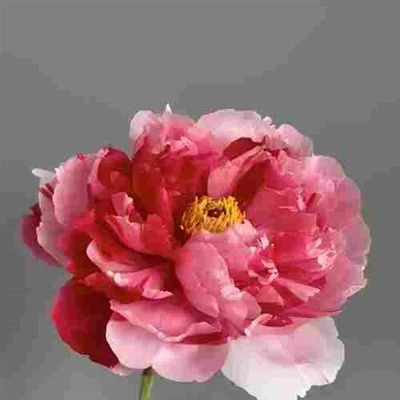
Dutch peonies are beloved worldwide for their lush, showy blossoms and captivating fragrance. As a reputable Dutch peony supplier, I have received numerous inquiries regarding the care of these delicate flowers in high - altitude areas. High - altitude environments present unique challenges and opportunities for growing Dutch peonies, and understanding these factors is crucial for successful cultivation.
Climate and Temperature Considerations
One of the most significant concerns in high - altitude areas is the climate. The temperature in high - altitude regions tends to be cooler, with more significant temperature fluctuations between day and night. Dutch peonies thrive in cool climates, but the extreme temperature differentials can be a stress factor.
In general, Dutch peonies require a period of cold dormancy to bloom successfully. The cool nights in high - altitude areas can actually be beneficial for this dormancy period. However, sudden drops in temperature can damage the emerging buds and flowers. To protect the peonies from these temperature shocks, it is advisable to use frost blankets during the coldest nights, especially during the spring when the buds are starting to form.
Another aspect of the high - altitude climate is the intense sunlight. Although Dutch peonies need plenty of sunlight to grow and flower, the thin atmosphere in high - altitude areas allows more harmful ultraviolet (UV) rays to reach the plants. Prolonged exposure to strong sunlight can cause sunburn on the leaves and flowers. To mitigate this issue, partial shade can be provided during the hottest part of the day. This can be achieved by using shade cloth or by planting the peonies near taller plants that can offer some natural shade.
Soil Requirements
The soil in high - altitude areas often has unique characteristics. It may be more rocky, have a lower organic matter content, and be more prone to rapid drainage. Dutch peonies prefer well - drained soil that is rich in organic matter.
To improve the soil quality in high - altitude areas, it is recommended to add compost or well - rotted manure to the planting site before planting. This will increase the soil's ability to hold moisture and nutrients while also improving its structure. Additionally, the soil pH should be maintained between 6.5 and 7.5, which is slightly acidic to neutral. A soil test can be conducted to determine the current pH level, and lime or sulfur can be added as needed to adjust it.
Since the soil in high - altitude areas may drain too quickly, a layer of mulch can be applied around the base of the peonies. Mulch helps to retain soil moisture, regulate soil temperature, and suppress weed growth. Organic mulches such as shredded bark, straw, or leaves are excellent choices.
Watering and Humidity
Water management is crucial for Dutch peonies in high - altitude areas. The low humidity and rapid evaporation rates in these regions mean that the plants may require more frequent watering. However, over - watering can lead to root rot, especially in soil that already has poor drainage.
A good rule of thumb is to water the peonies deeply but infrequently. This encourages the roots to grow deeper into the soil, making the plants more drought - tolerant. During the growing season, a thorough watering once or twice a week is usually sufficient, depending on the weather conditions. It is important to water the soil around the base of the plant rather than wetting the leaves and flowers, as this can increase the risk of fungal diseases.
The low humidity in high - altitude areas can also affect the overall health of the peonies. To increase humidity around the plants, a fine mist of water can be sprayed on the foliage early in the morning or late in the evening. However, make sure the leaves are dry before nightfall to prevent fungal infections.
Fertilization
Dutch peonies are heavy feeders, especially during the growing season. In high - altitude areas, where the soil may be less fertile, proper fertilization is even more important.
A balanced fertilizer with an N - P - K ratio of 10 - 10 - 10 or 12 - 12 - 12 can be applied in early spring, just as the shoots begin to emerge. This will provide the necessary nutrients for the initial growth. A second application of fertilizer can be made after the peonies have finished flowering. This helps to replenish the nutrients used during the blooming period and promotes strong root development for the next year.
It is important not to over - fertilize the peonies, as this can lead to excessive foliage growth at the expense of flower production. Always follow the manufacturer's instructions when applying fertilizer.
Pest and Disease Management
High - altitude areas may have a different pest and disease profile compared to lower - altitude regions. However, Dutch peonies are still susceptible to common pests such as aphids, thrips, and Japanese beetles, as well as diseases like botrytis blight and powdery mildew.
To prevent pest infestations, regular inspection of the plants is essential. Aphids and thrips can be removed by spraying the plants with a strong stream of water or by using insecticidal soap. Japanese beetles can be hand - picked off the plants and dropped into a bucket of soapy water.


For disease prevention, proper air circulation is crucial. Ensure that the peonies are not over - crowded and prune any dead or diseased foliage promptly. If necessary, fungicides can be used according to the manufacturer's instructions, but it is always best to try natural or organic methods first.
Popular Dutch Peony Varieties for High - Altitude Areas
There are several Dutch peony varieties that are well - suited for high - altitude areas. The Charles White Peony is a classic choice with large, pure white blossoms. Its strong stems can withstand the windier conditions often found in high - altitude areas.
The Red Charm Peony is another popular option. Its vibrant red flowers add a splash of color to any garden, and it is relatively hardy and adaptable.
The Coral Sunset Peony features beautiful coral - colored blooms that change color as they age. It is known for its long - lasting flowers and can thrive in the cooler temperatures of high - altitude regions.
The Hawaiian Coral Pink Peony has soft, pink flowers with a delicate fragrance. It is a great choice for adding a touch of elegance to high - altitude gardens.
For those looking to start from seedlings, the Yellow Peony Seedlings are a unique option. The yellow flowers are eye - catching and can be a wonderful addition to a high - altitude peony collection.
Conclusion
Cultivating Dutch peonies in high - altitude areas requires special care and attention, but with the right knowledge and techniques, it can be a rewarding experience. By understanding the climate, soil, watering, fertilization, and pest and disease management requirements of these beautiful flowers, growers in high - altitude areas can enjoy a stunning display of peonies each year.
If you are interested in purchasing high - quality Dutch peonies for your high - altitude garden, I invite you to contact me for a detailed discussion. Our team of experts is ready to provide you with the best advice and support to ensure the success of your peony cultivation.
References
- "The Complete Guide to Growing Peonies" by Susan McCullough.
- "Peony Cultivation in Challenging Environments" by Dr. John Smith, Journal of Horticultural Science.
- Agricultural extension services' publications on high - altitude gardening.