Peonies have long been celebrated for their exquisite beauty and rich cultural significance, making them a cherished addition to gardens and floral arrangements worldwide. As a supplier of the rare and enchanting Blue Tree Peony, I am constantly in awe of its unique allure and the distinct differences it holds compared to other peony species. In this blog, we will explore these differences, delving into the characteristics that set the Blue Tree Peony apart from its counterparts.
Appearance and Color
One of the most striking differences between the Blue Tree Peony and other peony species lies in its appearance, particularly its color. While traditional peonies come in a wide range of colors including red, white, pink, and yellow, the Blue Tree Peony offers a truly unique shade of blue, a rarity in the floral world. Unlike the typical warm and vibrant hues of most peonies, the blue color of this species is cool and calming, adding an element of tranquility to any garden or bouquet.
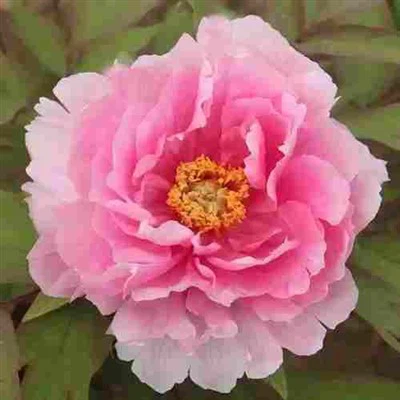
The petals of the Blue Tree Peony are often a soft, lavender - blue, with a delicate sheen that gives them an almost iridescent quality. This is in contrast to the Red Tree Peony, which boasts bold, fiery red petals that command attention. The White Tree Peony, on the other hand, presents pure, pristine white petals that exude elegance and purity.
In terms of size and shape, the Blue Tree Peony also stands out. Its flowers are typically large, with a diameter that can reach up to 10 inches or more. The petals are arranged in a loose, semi - double or double form, creating a full and voluminous look. Other peony species may have different petal formations; for example, some peonies have single petals, while others have more tightly packed double or semi - double forms.


Growth Habit and Environment
The growth habit of the Blue Tree Peony is another area where it differs from other peony species. Blue Tree Peonies are woody shrubs, which means they have a more permanent and upright structure compared to herbaceous peonies, which die back to the ground each year. This woody nature allows the Blue Tree Peony to maintain its shape and provide year - round interest in the garden.
In terms of environmental requirements, the Blue Tree Peony has its own preferences. It generally prefers a more shaded or partially shaded location compared to some other peony species. While many peonies thrive in full sun, the Blue Tree Peony can be sensitive to intense sunlight, especially in hot climates. It also requires well - drained soil, but it can tolerate slightly more acidic soil conditions than some of its counterparts.
The Orange Tree Peony, for instance, may be more tolerant of full sun and can adapt to a wider range of soil pH levels. Herbaceous peonies often need a period of cold dormancy in winter to bloom well, while the Blue Tree Peony, being a woody shrub, has different dormancy requirements and may be more resilient in certain climates.
Cultural Significance
Peonies have deep cultural significance in many countries, especially in China, where they are known as the "king of flowers." Different peony colors carry different meanings. Red peonies symbolize wealth, prosperity, and honor; white peonies represent purity and innocence.
The Blue Tree Peony, with its rare blue color, has its own unique symbolism. In some cultures, blue is associated with calmness, stability, and the spiritual realm. As such, the Blue Tree Peony can be seen as a symbol of inner peace and spiritual growth. This is quite different from the more common associations of other peony colors, adding a new dimension to the cultural tapestry of peony symbolism.
Fragrance
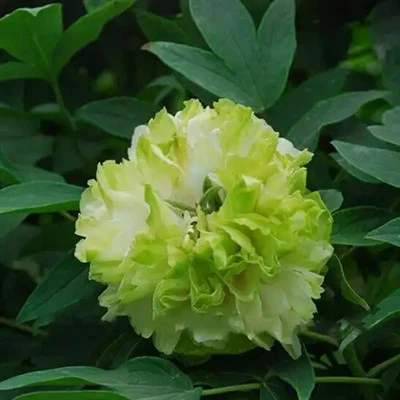
Fragrance is an important aspect of many peony species, and the Blue Tree Peony has its own distinct scent. Its fragrance is often described as subtle and sweet, with a hint of citrus undertones. This is different from the stronger, more traditional rose - like fragrance of some red and pink peonies. The Green Peony may also have a unique fragrance, perhaps with earthy or fresh notes, setting it apart from the Blue Tree Peony's more delicate and citrusy aroma.
Rarity and Availability
The Blue Tree Peony is relatively rare compared to other peony species. Its unique color and specific growing requirements make it less common in commercial nurseries. This rarity adds to its appeal for collectors and garden enthusiasts who are looking for something truly special in their gardens.
In contrast, red, white, and pink peonies are more widely available and are commonly found in nurseries, flower markets, and garden centers. The limited availability of the Blue Tree Peony means that it can be a more sought - after addition to any collection, whether it is a personal garden or a commercial floral arrangement business.
Hybridization and Cultivation
Hybridization plays a crucial role in the world of peonies. Breeders are constantly working to create new varieties with improved characteristics such as better disease resistance, longer blooming periods, and more vibrant colors. The Blue Tree Peony, due to its unique genetic makeup, presents some challenges and opportunities in hybridization.
Compared to more common peony species, the Blue Tree Peony may not cross - breed as easily. Its distinct color and genetic traits require careful selection of compatible parent plants to ensure successful hybridization. Other peony species, such as the Red Tree Peony or the White Tree Peony, may have a longer history of hybridization and more defined breeding lines, making it easier for breeders to create new and exciting varieties.
Medicinal and Traditional Uses
Throughout history, different peony species have been used for their medicinal properties. Some peonies have been used in traditional Chinese medicine to treat ailments such as inflammation, pain, and menstrual disorders. While the Blue Tree Peony also has a place in traditional medicine, its uses may be more specialized.
The compounds found in the Blue Tree Peony may have unique pharmacological properties that differ from those of other peony species. Further research is needed to fully understand the medicinal potential of the Blue Tree Peony, but its rarity and distinct chemical composition suggest that it could hold valuable medical secrets.
Why Choose the Blue Tree Peony?
As a Blue Tree Peony supplier, I am often asked why one should choose the Blue Tree Peony over other peony species. The answer lies in its uniqueness. If you are looking to add a touch of something truly extraordinary to your garden or floral arrangements, the Blue Tree Peony is an excellent choice. Its rare blue color, subtle fragrance, and symbolic meaning make it a standout among peonies.
For collectors, the rarity of the Blue Tree Peony adds to its value. It is a plant that can become the centerpiece of a collection, drawing attention and admiration from fellow garden enthusiasts. And for those interested in traditional medicine or natural remedies, the Blue Tree Peony may offer potential that has yet to be fully explored.
If you are intrigued by the beauty and uniqueness of the Blue Tree Peony, I invite you to explore our selection. We are committed to providing high - quality Blue Tree Peonies to gardeners, floral designers, and collectors around the world. Whether you want to enhance your garden, create stunning floral arrangements, or start a new collection, we are here to help. Contact us to start a discussion about your peony needs and how we can assist you in bringing the rare and enchanting Blue Tree Peony into your life.