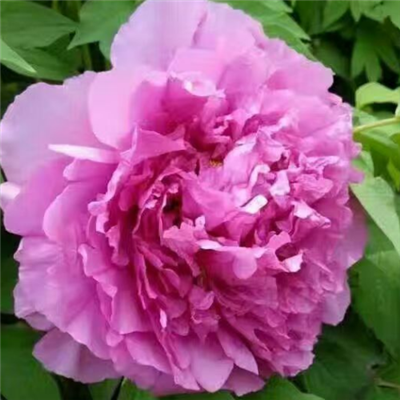
As a supplier of Angel Cheek Peonies, I've witnessed firsthand the beauty and allure these flowers bring to any setting. One of the most common questions I receive from customers and fellow gardening enthusiasts is how to encourage more branches in Angel Cheek Peonies. In this blog post, I'll share some tried - and - true methods based on my experience and knowledge of these exquisite flowers.
Understanding Angel Cheek Peonies
Before we delve into the techniques for promoting branching, it's essential to understand the nature of Angel Cheek Peonies. These peonies are known for their large, showy blooms and lush foliage. They are a type of herbaceous peony, which means they die back to the ground in winter and regrow in the spring. Their growth cycle is influenced by various factors, including soil conditions, sunlight, and pruning.
Soil Preparation
The foundation of a healthy peony plant lies in the soil. Angel Cheek Peonies thrive in well - drained, fertile soil with a slightly acidic to neutral pH (around 6.5 - 7.0). To prepare the soil for planting, start by digging a hole that is about 18 inches deep and 24 inches wide. Incorporate organic matter such as compost, well - rotted manure, or leaf mold into the soil. This will improve the soil structure, provide essential nutrients, and enhance water retention.
Adequate nutrients are crucial for encouraging branching. Peonies are heavy feeders, especially during their active growth period. A balanced fertilizer with a ratio of 10 - 10 - 10 or 5 - 10 - 5 can be applied in early spring when the shoots emerge. Avoid over - fertilizing, as this can lead to excessive foliage growth at the expense of flower production.
Sunlight Requirements
Angel Cheek Peonies require at least 6 hours of direct sunlight per day to grow and bloom properly. When choosing a planting location, select a spot that receives morning sun and some afternoon shade, especially in regions with hot summers. Insufficient sunlight can result in weak, leggy growth and fewer branches.


If your garden has limited sunlight, you can consider using reflective mulches or mirrors to redirect sunlight towards the peony plants. This can help increase the amount of light they receive and promote more robust growth.
Pruning Techniques
Pruning is an important aspect of encouraging branching in Angel Cheek Peonies. In late fall or early spring, remove any dead, damaged, or diseased stems. This will prevent the spread of diseases and allow the plant to focus its energy on new growth.
When the peony shoots emerge in the spring, you can also perform selective pruning to encourage branching. Pinch off the tips of the main stems when they are about 6 - 8 inches tall. This will stimulate the growth of lateral buds, which will develop into new branches. However, be careful not to over - prune, as this can weaken the plant.
Watering and Moisture Management
Proper watering is essential for the health of Angel Cheek Peonies. These plants prefer consistent moisture but do not tolerate waterlogged soil. Water deeply once a week during the growing season, especially during dry spells. Use a soaker hose or drip irrigation to deliver water directly to the soil, avoiding wetting the foliage, which can lead to fungal diseases.
Mulching around the base of the peony plants can help retain moisture, suppress weeds, and regulate soil temperature. Apply a layer of organic mulch such as shredded bark or straw, about 2 - 3 inches thick. This will also add nutrients to the soil as it decomposes.
Companion Planting
Companion planting can be a beneficial strategy for encouraging branching in Angel Cheek Peonies. Some plants can help improve the soil quality, attract beneficial insects, or provide shade and support. For example, planting low - growing groundcovers such as thyme or sedum around the peonies can help retain moisture and prevent soil erosion.
Flowers like Coral Sunset Peony, Blue Fuji Peony, and Duchess Peony can be planted nearby. These peonies have similar growing requirements and can create a beautiful and diverse peony garden. The presence of different peony varieties can also attract pollinators, which can enhance the overall health and productivity of the plants.
Pest and Disease Control
Pests and diseases can significantly impact the growth and branching of Angel Cheek Peonies. Common pests include aphids, thrips, and Japanese beetles. To control these pests, you can use natural remedies such as insecticidal soaps or neem oil. Regularly inspect the plants for signs of pest infestation and take action promptly.
Fungal diseases such as botrytis blight and powdery mildew can also affect peonies. To prevent these diseases, ensure good air circulation around the plants by spacing them adequately. Remove any infected leaves or stems immediately and dispose of them properly. Fungicides can be used as a preventive measure, especially during periods of high humidity.
Propagation for More Branches
Propagating Angel Cheek Peonies can also be a way to increase the number of branches. Division is the most common method of propagation for herbaceous peonies. In the fall, carefully dig up the peony plant and separate the roots into sections, making sure each section has at least 3 - 5 eyes (buds). Replant the divisions in well - prepared soil, and they will grow into new plants with multiple branches.
Conclusion
Encouraging more branches in Angel Cheek Peonies requires a combination of proper soil preparation, adequate sunlight, appropriate pruning, and effective pest and disease control. By following these tips, you can help your peony plants grow strong and healthy, producing more branches and abundant blooms.
If you're interested in purchasing Angel Cheek Peonies or have any questions about their care, I invite you to reach out for a procurement discussion. I'm always happy to share my expertise and provide high - quality peony products to meet your needs.
References
- "The Peony: A Gardener's Guide" by Susan B. Morrison
- "Herbaceous Peonies: Cultivation and Care" by the American Peony Society