


Hey there, fellow peony lovers! I'm a supplier of Dutch peonies, and I've seen my fair share of common mistakes when it comes to peony care. In this blog post, I'll share some tips on how to correct these mistakes and keep your Dutch peonies looking their best.
1. Planting in the Wrong Location
One of the most common mistakes is planting Dutch peonies in the wrong location. Peonies love full sun, at least 6 - 8 hours of sunlight per day. If you plant them in a shady spot, they won't bloom as well, and the stems might be weak.
How to Correct: If your peonies are in a shady area, consider transplanting them. The best time to transplant peonies is in the fall. Dig up the peony carefully, making sure to get as much of the root system as possible. Replant it in a sunny spot with well - drained soil. Amend the soil with compost to improve its fertility and drainage.
2. Overwatering
Dutch peonies don't like wet feet. Overwatering can lead to root rot, which is a serious problem that can kill the plant. Many people think that more water means healthier plants, but that's not the case with peonies.
How to Correct: Check the soil moisture before watering. Stick your finger about an inch into the soil. If it's dry, it's time to water. Water deeply but infrequently. A good rule of thumb is to water once a week, but adjust this based on the weather and soil conditions. If you've been overwatering, stop immediately and let the soil dry out. You may also need to improve the drainage of the soil by adding sand or perlite.
3. Improper Pruning
Pruning is important for peonies, but it's easy to do it wrong. Some people prune too early or too late, or they cut off too much of the plant.
How to Correct: Prune your peonies at the right time. In the fall, after the first frost, cut the stems back to about 2 - 3 inches above the ground. This helps prevent diseases from overwintering in the plant. During the growing season, remove any dead or diseased leaves and spent flowers. But be careful not to cut off too many healthy leaves, as they are important for photosynthesis.
4. Not Fertilizing Properly
Peonies need nutrients to grow and bloom. However, using the wrong type of fertilizer or applying it at the wrong time can cause problems.
How to Correct: Use a balanced fertilizer, such as a 10 - 10 - 10 or 5 - 10 - 5 formula. Apply the fertilizer in the spring, just as the new growth starts. Avoid using high - nitrogen fertilizers, as they can promote leaf growth at the expense of flower production. You can also add some organic matter, like compost or well - rotted manure, to the soil in the fall to improve its fertility.
5. Ignoring Pests and Diseases
Dutch peonies can be affected by various pests and diseases, such as aphids, botrytis, and powdery mildew. Ignoring these problems can lead to a decline in the health of the plant.
How to Correct: Regularly inspect your peonies for signs of pests and diseases. If you notice aphids, you can spray them off with a strong stream of water or use an insecticidal soap. For fungal diseases like botrytis and powdery mildew, make sure there is good air circulation around the plants. You can also use a fungicide if the problem is severe. Remove any infected leaves or flowers immediately to prevent the spread of the disease.
6. Using the Wrong Peony Variety for Your Climate
Not all Dutch peony varieties are suitable for every climate. Some varieties are more cold - hardy, while others prefer warmer temperatures.
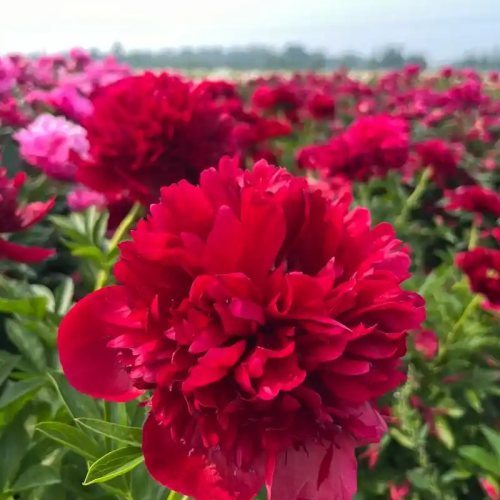

How to Correct: Before buying peonies, research which varieties are best suited for your climate. For example, if you live in a cold climate, look for varieties that are known to be cold - hardy. You can check with local nurseries or gardening experts for advice. At our store, we offer a variety of Dutch peony varieties, including the Red Charm Peony, Yellow Peony Seedlings, and Hawaiian Coral Pink Peony. We can help you choose the right variety for your area.
7. Planting Too Deep or Too Shallow
The depth at which you plant your peony is crucial. Planting too deep can prevent the peony from blooming, while planting too shallow can expose the roots and make the plant vulnerable.
How to Correct: When planting peonies, make sure the eyes (the small buds on the roots) are no more than 2 inches below the soil surface. If you've planted your peony too deep, carefully dig it up and replant it at the correct depth. If it's too shallow, add some soil around the base of the plant to cover the roots properly.
8. Not Dividing Peonies
Peonies can become overcrowded over time, which can reduce their blooming. Dividing peonies every 5 - 10 years can help rejuvenate the plant.
How to Correct: In the fall, dig up the peony clump. Use a sharp knife to divide the clump into smaller sections, making sure each section has at least 3 - 5 eyes. Replant the divided sections in a new location or in the same area with some space between them.
Conclusion
Taking care of Dutch peonies doesn't have to be difficult. By avoiding these common mistakes and following the correction tips, you can enjoy beautiful, healthy peonies in your garden. If you're interested in purchasing Dutch peonies, we're here to help. Whether you're a seasoned gardener or just starting out, we have the right peony varieties for you. Contact us to start your peony - buying journey and bring the beauty of Dutch peonies to your garden!
References
- "The Complete Guide to Growing Peonies" by Susan Morrison
- "Peony Care 101" from the American Peony Society


