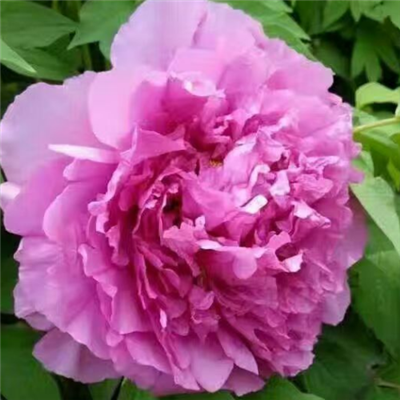
As a supplier of Japan tree peonies, I've often been asked whether these exquisite flowers attract bees. In this blog post, I'll delve into the science behind the relationship between Japan tree peonies and bees, exploring the factors that influence bee attraction and the benefits of having these pollinators around.
The Allure of Japan Tree Peonies
Japan tree peonies (Paeonia suffruticosa var. spontanea) are renowned for their large, showy flowers and vibrant colors. These ornamental plants have been cultivated in Japan for centuries and are highly prized for their beauty and elegance. With their diverse range of flower forms, including single, semi - double, and double blossoms, Japan tree peonies offer a visual feast for gardeners and flower enthusiasts alike.
One of the key features that may attract bees is the nectar and pollen produced by the peony flowers. Nectar is a sugary liquid that serves as an energy source for bees, while pollen provides essential proteins and nutrients. The amount of nectar and pollen produced can vary depending on the variety of the Japan tree peony, the age of the flower, and environmental conditions.
Factors Affecting Bee Attraction
Flower Color
Bees are known to be attracted to certain colors. They can see ultraviolet light, which is invisible to the human eye, and are particularly drawn to blue, purple, and yellow flowers. Many Japan tree peony varieties come in shades of pink, red, and white, which are also visible to bees. However, some of the more vibrant and saturated colors may be more appealing to these pollinators. For example, a deep purple or bright pink peony may stand out more to a bee flying through the garden compared to a pale - colored variety.
Scent
The fragrance of a flower plays a crucial role in attracting bees. Japan tree peonies have a delicate and sweet scent that can vary from one variety to another. Some peonies have a strong, intoxicating fragrance, while others have a more subtle aroma. Bees use their sense of smell to locate flowers, and a fragrant peony is more likely to catch their attention. The scent of the peony can also help bees distinguish it from other flowers in the area.
Nectar and Pollen Availability
As mentioned earlier, the availability of nectar and pollen is a major factor in bee attraction. Different Japan tree peony varieties produce varying amounts of these resources. Some varieties may have large, nectar - rich flowers that are highly attractive to bees, while others may produce less nectar or have a structure that makes it more difficult for bees to access the pollen. For instance, double - flowered peonies, with their many layers of petals, may be less accessible to bees compared to single - flowered varieties.


Blooming Time
The blooming time of Japan tree peonies can also influence bee attraction. Bees are most active during the spring and early summer, when they are foraging for food to feed their colonies. If the peonies bloom during this period, they are more likely to attract bees. However, if the blooming time is too early or too late in the season, there may be fewer bees available to pollinate the flowers.
Benefits of Bees for Japan Tree Peonies
Pollination
Bees are important pollinators for Japan tree peonies. When a bee visits a peony flower to collect nectar and pollen, it inadvertently transfers pollen from the male parts of the flower (anthers) to the female part (stigma). This process of pollination is essential for the production of seeds and the reproduction of the peony plant. Without pollination, the peony may not be able to set fruit and produce new plants.
Genetic Diversity
Pollination by bees also helps to increase the genetic diversity of Japan tree peonies. When bees transfer pollen between different peony plants, they introduce new genetic material, which can lead to the development of stronger and more resilient plants. This genetic diversity can improve the overall health and vitality of the peony population.
Popular Japan Tree Peony Varieties and Bee Attraction
Let's take a look at some popular Japan tree peony varieties and how they may attract bees:
Island Peony
The Island Peony is a beautiful variety with large, semi - double flowers. Its soft pink color and sweet fragrance make it an attractive option for bees. The open structure of the semi - double flowers allows bees easy access to the nectar and pollen, increasing the likelihood of pollination.
Imperial Concubine Inserts Green Peony
The Imperial Concubine Inserts Green Peony is a unique variety with green - tinged petals. Its distinct color and delicate scent can draw the attention of bees. The flower structure of this variety provides a good landing platform for bees, making it easier for them to collect nectar and pollen.
Peony Sundae
The Peony Sundae is a lovely white - flowered variety. White flowers are often visible to bees, and the pure, clean look of the Peony Sundae can be appealing. It produces a moderate amount of nectar, which can attract bees looking for a food source.
Encouraging Bees to Visit Your Japan Tree Peonies
If you're growing Japan tree peonies and want to attract more bees to your garden, here are some tips:
- Plant a variety of peony colors: Choose a mix of colors to increase the chances of attracting bees with different color preferences.
- Provide a water source: Bees need water to survive. Place a shallow dish of water in your garden to give them a place to drink.
- Avoid using pesticides: Pesticides can be harmful to bees. Opt for natural pest control methods to protect your peonies without harming the pollinators.
Conclusion
In conclusion, Japan tree peonies can attract bees, but the level of attraction depends on several factors such as flower color, scent, nectar and pollen availability, and blooming time. These beautiful flowers not only add aesthetic value to the garden but also play an important role in supporting the local bee population through pollination.
As a supplier of Japan tree peonies, I offer a wide range of high - quality varieties that are sure to attract bees and enhance the beauty of your garden. Whether you're a professional gardener or a hobbyist, our peonies will provide you with a stunning display of color and fragrance. If you're interested in purchasing Japan tree peonies for your garden or landscape project, I invite you to get in touch for further discussion about procurement and to explore our diverse selection.
References
- Buchmann, S. L., & Nabhan, G. P. (1996). The Forgotten Pollinators. Island Press.
- Proctor, M., Yeo, P., & Lack, A. (1996). The Natural History of Pollination. Timber Press.
- Winston, M. L. (1987). The Biology of the Honey Bee. Harvard University Press.