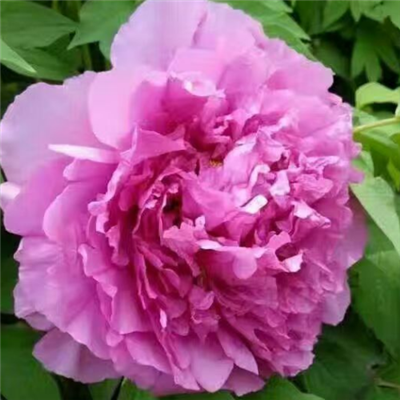
Dutch peonies are renowned worldwide for their exquisite beauty, large blooms, and captivating fragrance. As a supplier of these magnificent flowers, I often encounter questions from customers and gardening enthusiasts about various aspects of Dutch peonies. One question that frequently comes up is, "Do Dutch peonies have deep roots?" In this blog post, I'll delve into the root system of Dutch peonies, exploring the depth of their roots, the importance of root depth, and how it impacts their growth and care.
Understanding the Root System of Dutch Peonies
Dutch peonies, like most peony varieties, have a complex and extensive root system. The roots of peonies play a crucial role in the plant's overall health and development. They are responsible for absorbing water and nutrients from the soil, anchoring the plant in place, and storing energy for future growth.
Peony roots are typically thick and fleshy, known as tuberous roots. These tubers are modified underground stems that store carbohydrates and other nutrients. The tuberous roots of Dutch peonies can grow quite large, especially in mature plants. They are usually found in the top 12 to 18 inches (30 to 45 centimeters) of the soil, but they can extend deeper under certain conditions.
How Deep Do Dutch Peony Roots Grow?
The depth of Dutch peony roots can vary depending on several factors, including the soil type, growing conditions, and the age of the plant. In general, the majority of the root mass of Dutch peonies is concentrated in the top 12 to 18 inches of the soil. This is because the topsoil layer is rich in organic matter, nutrients, and oxygen, which are essential for root growth.
However, Dutch peony roots can grow deeper in search of water and nutrients, especially in dry or nutrient-poor soils. In some cases, the roots may penetrate the soil to a depth of 24 inches (60 centimeters) or more. This ability to grow deep roots allows Dutch peonies to access water and nutrients that are not available in the topsoil layer, making them more resilient to drought and other environmental stresses.
The Importance of Root Depth for Dutch Peonies
The depth of Dutch peony roots is important for several reasons. First, deep roots help the plant to anchor itself firmly in the soil, preventing it from being uprooted by strong winds or heavy rain. This is especially important for tall or top-heavy peony varieties, which are more prone to toppling over.
Second, deep roots allow Dutch peonies to access water and nutrients that are not available in the topsoil layer. This is particularly important in dry or nutrient-poor soils, where the topsoil may dry out quickly or become depleted of nutrients. By growing deep roots, Dutch peonies can tap into deeper water sources and access nutrients that are stored in the subsoil.
Finally, deep roots help to improve the overall health and vigor of Dutch peonies. A well-established root system allows the plant to absorb water and nutrients more efficiently, which in turn promotes healthy growth, abundant blooms, and increased resistance to pests and diseases.
Factors Affecting the Root Depth of Dutch Peonies
Several factors can affect the depth of Dutch peony roots. These include:
- Soil Type: The type of soil in which Dutch peonies are planted can have a significant impact on root depth. Well-drained, loamy soils are ideal for peony growth, as they allow the roots to penetrate the soil easily and access water and nutrients. In contrast, heavy clay soils can be compacted and poorly drained, which can restrict root growth and prevent the roots from growing deep.
- Growing Conditions: The growing conditions, such as the amount of water, sunlight, and nutrients available to the plant, can also affect root depth. Dutch peonies that are grown in dry or nutrient-poor soils may grow deeper roots in search of water and nutrients. On the other hand, peonies that are overwatered or overfertilized may have shallow roots, as they do not need to grow deep to access water and nutrients.
- Age of the Plant: The age of the plant can also affect root depth. Young Dutch peonies typically have shallower roots than mature plants, as they are still developing their root system. As the plant ages, the roots will continue to grow and spread, becoming deeper and more extensive.
Tips for Encouraging Deep Root Growth in Dutch Peonies
If you want to encourage deep root growth in your Dutch peonies, there are several things you can do. Here are some tips:
- Plant in Well-Drained Soil: As mentioned earlier, well-drained, loamy soils are ideal for peony growth. When planting Dutch peonies, make sure to choose a location with well-drained soil. If your soil is heavy clay, you can improve its drainage by adding organic matter, such as compost or peat moss, to the soil.
- Water Deeply and Infrequently: Instead of watering your Dutch peonies frequently with a light sprinkle, water them deeply and infrequently. This will encourage the roots to grow deeper in search of water. Aim to water your peonies once a week, providing enough water to saturate the soil to a depth of at least 6 inches (15 centimeters).
- Fertilize Properly: Dutch peonies require regular fertilization to grow and bloom properly. However, it's important to fertilize them properly to avoid overfertilization, which can lead to shallow root growth. Use a balanced fertilizer, such as a 10-10-10 or 12-12-12 fertilizer, and apply it according to the manufacturer's instructions.
- Mulch the Soil: Mulching the soil around your Dutch peonies can help to retain moisture, suppress weeds, and regulate soil temperature. This can create a more favorable environment for root growth. Apply a layer of organic mulch, such as shredded bark or straw, to the soil around the base of the plant, making sure to keep the mulch away from the stems.
Our Dutch Peony Varieties
At our company, we offer a wide range of Dutch peony varieties, each with its own unique beauty and characteristics. Some of our popular varieties include the Angel Cheek Peony, Charles White Peony, and Angel Cheeks Peony. These varieties are known for their large, showy blooms, vibrant colors, and delightful fragrance.
Whether you're a professional florist, a gardening enthusiast, or a landscape designer, our Dutch peonies are sure to add a touch of elegance and beauty to your arrangements or garden. We take pride in providing high-quality peonies that are carefully selected and grown to ensure the best possible results.
Contact Us for Purchasing Dutch Peonies
If you're interested in purchasing Dutch peonies for your business or personal use, we'd love to hear from you. Our team of experts is available to answer any questions you may have and to help you choose the right varieties for your needs. We offer competitive prices, fast shipping, and excellent customer service.
To learn more about our Dutch peony products and to place an order, please contact us today. We look forward to working with you and helping you to bring the beauty of Dutch peonies into your life.


References
- Armitage, A. M. (2008). Herbaceous Perennial Plants: A Treatise on Their Identification, Culture, and Garden Attributes. Timber Press.
- Ball, V. (2012). Peonies: A Comprehensive Guide to Growing and Enjoying These Magnificent Flowers. Storey Publishing.
- Clausen, R. T. (1975). Peonies: The Genus Paeonia. Timber Press.