Hey there! As a supplier of Japan tree peonies, I've got a deep - seated passion for these gorgeous flowers and how they fit into the world of traditional Japanese gardens. Let's dive right in and explore their role!
A Little Background on Japan Tree Peonies
First off, Japan tree peonies, also known as "botan" in Japanese, have a long and rich history in Japan. They were originally introduced from China around the 8th century. Over time, the Japanese developed their own unique cultivars through careful breeding. These peonies are known for their large, showy blooms, which come in a wide range of colors, from soft pastels to vibrant reds and purples.
Symbolism in Traditional Japanese Gardens
In traditional Japanese gardens, symbolism is everything. Japan tree peonies carry a lot of symbolic weight. They're often associated with wealth, honor, and prosperity. In Japanese culture, the peony is sometimes referred to as the "king of flowers." When you plant a Japan tree peony in a garden, it's like you're inviting good fortune and positive energy into the space.
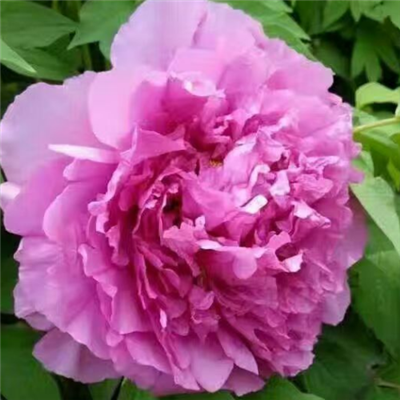
Imagine walking through a traditional Japanese garden. There, in a quiet corner, a large, pink Japan tree peony is in full bloom. The sight of it immediately catches your eye, and you can't help but feel a sense of calm and serenity. It's not just a pretty flower; it's a living symbol of all the good things in life.
Aesthetic Appeal
One of the most obvious roles of Japan tree peonies in traditional Japanese gardens is their aesthetic appeal. Their large, ruffled petals create a focal point in any garden setting. Whether it's a small, intimate garden or a large, public one, these peonies can transform the look and feel of the space.
The different colors of Japan tree peonies can be used to create a variety of visual effects. For example, white peonies can add a sense of purity and tranquility, while red ones can bring a pop of color and energy. You can also mix and match different colors to create a more dynamic and interesting display.
Take the Sun and Moon Peony, for instance. Its unique color combination of white and pink makes it a real standout. When planted among other greenery in a Japanese garden, it creates a beautiful contrast that draws the eye.
Seasonal Interest
Traditional Japanese gardens are designed to offer beauty and interest throughout the year. Japan tree peonies play an important role in this seasonal cycle. They typically bloom in late spring to early summer, adding a burst of color at a time when many other plants are just starting to come into their own.
During the blooming season, the garden is filled with the sweet fragrance of the peonies. It's a sensory experience that enhances the overall enjoyment of the garden. And even after the flowers have faded, the foliage of the Japan tree peony remains attractive, providing a backdrop for other plants in the garden.
Cultural and Historical Significance
Japan tree peonies are deeply rooted in Japanese culture and history. They've been featured in Japanese art, literature, and even traditional festivals for centuries. In some festivals, peony - themed decorations are used to celebrate the arrival of spring and the hope for a prosperous year ahead.
In traditional Japanese paintings, peonies are often depicted as a symbol of beauty and grace. Artists use the flowers to convey a sense of tranquility and harmony, which are key elements in Japanese aesthetics. By including Japan tree peonies in a garden, you're not just creating a beautiful space; you're also paying homage to Japan's rich cultural heritage.
Design and Placement in Gardens
When it comes to designing a traditional Japanese garden, the placement of Japan tree peonies is crucial. They're often planted in areas where they can be easily seen and appreciated, such as near a path or a seating area. This allows visitors to get up close and personal with the flowers and enjoy their beauty.
Peonies also work well when planted in groups. A cluster of peonies can create a more dramatic effect than a single plant. You can plant them in a semi - circular pattern around a stone lantern or a small pond to create a focal point in the garden.
The Imperial Concubine Inserts Green Peony is a great choice for a garden design. Its unique greenish - white color makes it a perfect addition to a more minimalist Japanese garden, where it can add a touch of elegance and sophistication.
Medicinal and Culinary Uses (though not as prominent in gardens)
In addition to their ornamental value, Japan tree peonies have some medicinal and culinary uses. In traditional Japanese medicine, parts of the peony plant, such as the roots, have been used to treat various ailments. However, in the context of traditional gardens, these uses are not as prominent as their aesthetic and symbolic roles.


Some people also use the petals of the peonies in cooking. They can be used to make tea or added to desserts for a unique flavor and a splash of color. But again, this is more of a secondary aspect when it comes to their presence in gardens.
Our Offerings as a Supplier
As a supplier of Japan tree peonies, we offer a wide variety of cultivars to suit different garden needs. Whether you're looking for a classic pink peony or a more unique, rare variety like the Flower Oil Peony, we've got you covered.
We take great care in growing and nurturing our peonies to ensure that they're healthy and vibrant when they reach your garden. Our plants are grown using sustainable methods, so you can feel good about adding them to your outdoor space.
Conclusion and Call to Action
Japan tree peonies play a multi - faceted role in traditional Japanese gardens. They bring beauty, symbolism, and a touch of history to any space. Whether you're a seasoned gardener or just starting out, adding a Japan tree peony to your garden can make a world of difference.
If you're interested in purchasing Japan tree peonies for your garden, we'd love to hear from you. We're here to help you choose the right cultivars and provide you with all the information you need to ensure that your peonies thrive. Don't hesitate to reach out to us for more details and to start the procurement process. Let's work together to create a beautiful, traditional Japanese garden that you'll enjoy for years to come.
References
- Anderson, R. (2018). "The History and Symbolism of Peonies in Japanese Culture." Journal of Asian Gardening.
- Tanaka, S. (2020). "Traditional Japanese Garden Design: The Role of Ornamental Plants." Tokyo Press.