The Intriguing Relationship Between Zhaofen Peony and Chinese Painting
As a supplier of Zhaofen Peony, I've had the privilege of witnessing the profound cultural allure and aesthetic value of these magnificent flowers. The relationship between Zhaofen Peony and Chinese painting is a captivating journey that spans centuries, intertwining art, nature, and symbolism.
Chinese painting has a long - standing tradition of depicting flowers, and peonies hold a special place in this art form. The peony, known as the "king of flowers" in Chinese culture, symbolizes wealth, prosperity, honor, and happiness. Among the various peony cultivars, Zhaofen Peony stands out for its delicate beauty and unique charm.
Historically, Chinese painters have been fascinated by the peony's opulent appearance. The large, full - blossomed flowers with their soft petals and vibrant colors provide a rich subject for the artist's brush. During the Tang Dynasty (618 - 907 AD), when the appreciation of peonies reached its peak, many artists dedicated themselves to painting these flowers. The art of peony painting was not only a form of aesthetic expression but also a way to convey the social and cultural values of the time.
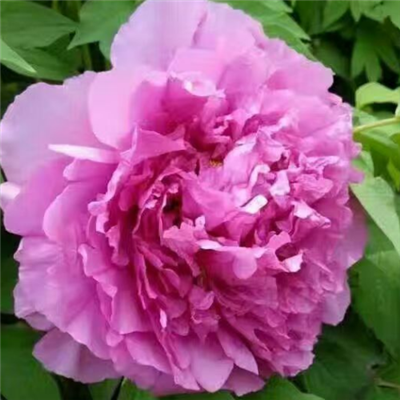
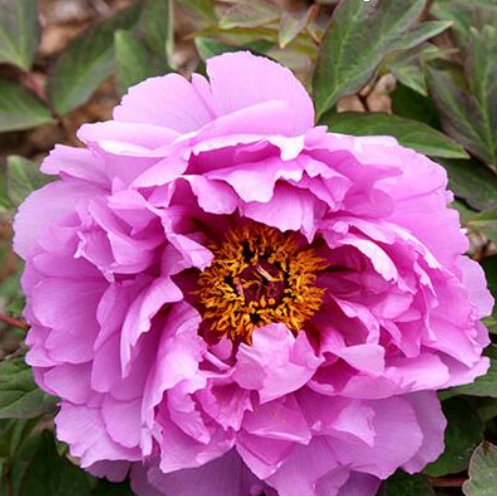
Zhaofen Peony, with its eye - catching hues and elegant form, has often been the focus of Chinese painters. Its petals are typically a blend of soft pinks and whites, creating a visually stunning effect. The way the petals unfurl, with each layer revealing a different shade of color, offers endless possibilities for artists to showcase their skills in brushwork and color application.
In Chinese painting, there are different styles and techniques used to depict peonies, including the meticulous gongbi style and the more free - flowing xieyi style. In the gongbi style, artists use fine lines and detailed coloring to create a highly realistic representation of the Zhaofen Peony. Every vein on the petal, every subtle change in color, is carefully rendered. Xieyi style, on the other hand, emphasizes the expression of the artist's mood and spirit. With bold and free brushstrokes, artists capture the essence of the Zhaofen Peony rather than its exact physical form.
The symbolism associated with Zhaofen Peony in Chinese painting goes beyond its visual beauty. It represents the ideal of a prosperous and harmonious life. In traditional Chinese art, a painting of Zhaofen Peony is often paired with other symbols such as butterflies, which symbolize love and freedom, or birds, which represent good luck and happiness. This combination of symbols creates a rich and meaningful visual narrative that reflects the Chinese people's pursuit of a better life.
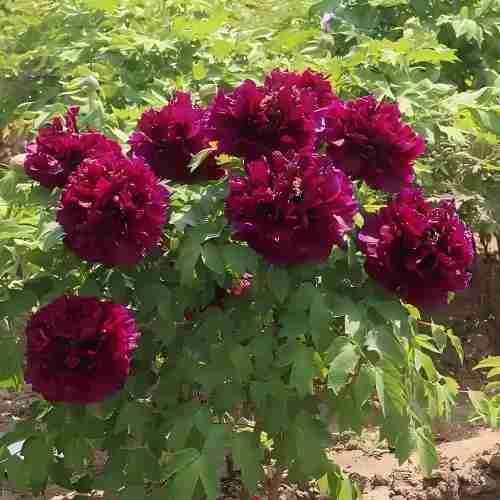
Let's take a look at some of the famous peony cultivars in addition to Zhaofen Peony that have also inspired Chinese painters. The Black Lady Peony is a rare and exotic variety. Its dark, almost black - purple petals are a stark contrast to the more common pink and white peonies. In Chinese painting, the Black Lady Peony can be used to add a sense of mystery and depth to the composition.
The Blue Hibiscus Peony is another unique cultivar. Its pale blue - tinged petals give it an otherworldly appearance. In the realm of Chinese painting, this peony can be used to create a dreamy and serene atmosphere, appealing to the artist's pursuit of a spiritual and aesthetic realm.
The Paeonia Suffruticosa "Yao Huang" is one of the most famous and highly regarded peony varieties in China. It is named after its bright yellow color, which is a symbol of royalty and nobility in Chinese culture. In Chinese paintings, the Paeonia Suffruticosa "Yao Huang" often represents the highest level of honor and prosperity.
As a Zhaofen Peony supplier, I understand the importance of these flowers in Chinese culture and art. I take pride in providing high - quality Zhaofen Peonies that meet the needs of collectors, flower enthusiasts, and artists alike. These peonies are carefully cultivated to ensure their beauty and health, so that they can continue to inspire and be a part of the rich cultural heritage of Chinese painting.
If you are interested in the beauty of Zhaofen Peony, whether you are an artist looking for inspiration, a collector seeking unique peony cultivars, or a flower lover who appreciates the elegance of these flowers, I invite you to contact me for further discussions. We can explore the possibilities of bringing these magnificent Zhaofen Peonies into your life, be it for art creation, decoration, or simply to enjoy the pure beauty of nature.
In conclusion, the relationship between Zhaofen Peony and Chinese painting is a multifaceted one. It is a relationship based on aesthetics, symbolism, and cultural heritage. The Zhaofen Peony provides the raw material and inspiration for Chinese painters, while Chinese painting, in turn, elevates the status of the Zhaofen Peony, making it an iconic symbol of Chinese culture. Let us continue to cherish and explore this beautiful relationship between nature and art.
References
- Clark, M. (2002). Chinese Painting: From the Han to the Qing Dynasty. London: Thames & Hudson.
- Watson, B. (1993). Early Chinese Literature. New York: Columbia University Press.
- Sullivan, M. (1978). Symbols in Chinese Art. London: Faber and Faber.