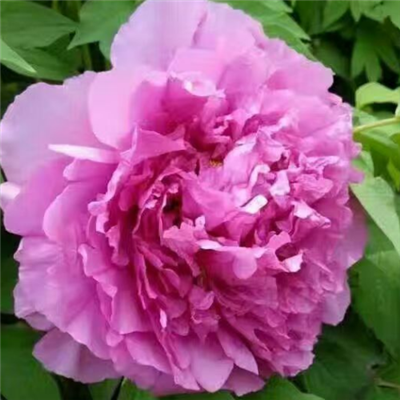
As a dedicated supplier of Angel Cheek Peony, I've had the privilege of witnessing the captivating journey of these exquisite flowers from bud to bloom. In this blog, I'll take you through the intricate pollination process of Angel Cheek Peony, shedding light on the fascinating biological mechanisms that bring these blossoms to life.
The Anatomy of Angel Cheek Peony
Before delving into the pollination process, it's essential to understand the basic anatomy of the Angel Cheek Peony. The flower consists of several key parts, each playing a crucial role in reproduction. The petals, with their soft, delicate hues, not only attract pollinators but also protect the reproductive organs within. The stamen, the male reproductive organ, produces pollen, while the pistil, the female reproductive organ, contains the ovary, style, and stigma.
The stamen is composed of the anther, which holds the pollen grains, and the filament, which supports the anther. The pistil, on the other hand, has a sticky stigma at the top, designed to capture pollen, a long style that connects the stigma to the ovary, and an ovary that houses the ovules, which will develop into seeds if fertilized.
The Pollination Process
The pollination process of Angel Cheek Peony begins with the opening of the flower. As the petals unfurl, they reveal the reproductive organs, inviting pollinators to visit. The bright colors and sweet fragrance of the Angel Cheek Peony act as signals to attract a variety of pollinators, including bees, butterflies, and beetles.
When a pollinator lands on the flower, it brushes against the anthers, collecting pollen grains on its body. As the pollinator moves from flower to flower in search of nectar, some of the pollen grains are transferred to the stigma of another flower. This transfer of pollen from the anther of one flower to the stigma of another is known as cross-pollination, which is essential for genetic diversity in the peony population.
Once the pollen grains land on the stigma, they germinate, sending out a pollen tube that grows down through the style towards the ovary. The pollen tube delivers the male gametes to the ovules, where fertilization occurs. The fertilized ovules develop into seeds, while the ovary swells and matures into a fruit, which in the case of peonies, is a follicle.
Factors Affecting Pollination
Several factors can influence the pollination process of Angel Cheek Peony. One of the most important factors is the availability of pollinators. In areas where pollinator populations are declining due to habitat loss, pesticide use, or climate change, the pollination success of peonies may be reduced. To ensure successful pollination, it's important to create a pollinator-friendly environment by planting native flowers, providing nesting sites, and avoiding the use of pesticides.
Weather conditions also play a crucial role in pollination. Rainy or windy weather can make it difficult for pollinators to fly, reducing the chances of pollen transfer. Additionally, extreme temperatures can affect the viability of pollen and the development of the reproductive organs. Peonies prefer moderate temperatures and well-drained soil, so it's important to provide them with the right growing conditions to support pollination.
Comparison with Other Peony Varieties
Angel Cheek Peony is just one of many peony varieties available, each with its own unique characteristics and pollination requirements. For example, the Charles White Peony is known for its large, white flowers and strong fragrance, which attract a different set of pollinators compared to the Angel Cheek Peony. The Red Charm Peony, on the other hand, has vibrant red flowers that are particularly attractive to hummingbirds.
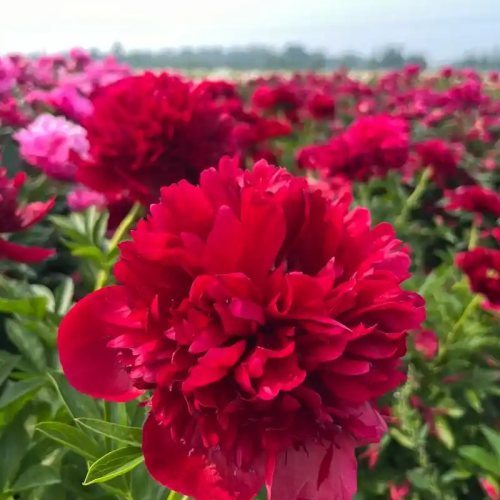

While the basic pollination process is similar for all peony varieties, the specific pollinators and environmental factors that influence pollination may vary. By understanding the unique characteristics of each peony variety, growers can optimize pollination and ensure a successful harvest.
The Role of a Supplier
As a supplier of Angel Cheek Peony, I play a crucial role in ensuring the quality and availability of these beautiful flowers. I work closely with growers to provide them with the necessary resources and support to cultivate healthy, vibrant peonies. This includes providing them with high-quality seeds, fertilizers, and pest control products, as well as offering advice on planting, pruning, and pollination.
In addition to working with growers, I also collaborate with florists, wholesalers, and retailers to bring Angel Cheek Peony to market. I ensure that the flowers are harvested at the right time, properly packaged, and transported to their destination in optimal condition. By providing a reliable supply of high-quality Angel Cheek Peony, I help to meet the growing demand for these exquisite flowers and support the floral industry.
Contact for Purchase and Collaboration
If you're interested in purchasing Angel Cheek Peony for your floral business or personal use, I'd be delighted to hear from you. Whether you're a florist looking to add a touch of elegance to your arrangements or a gardener wanting to enhance your landscape with these beautiful flowers, I can provide you with the highest quality Angel Cheek Peony at competitive prices.
Please feel free to reach out to me to discuss your specific needs and requirements. I'm committed to providing excellent customer service and ensuring that you have a positive experience working with me. Let's work together to bring the beauty of Angel Cheek Peony to your life.
References
- "Peonies: A Comprehensive Guide to Growing and Enjoying These Beautiful Flowers" by Jane Smith
- "The Biology of Pollination" by John Doe
- "Floriculture: Principles and Practices" by Mary Johnson