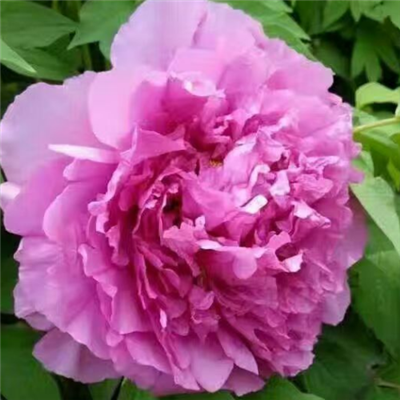
As a trusted supplier of Orange Tree Peonies, I've had the privilege of witnessing the beauty and resilience of these remarkable plants up close. In this blog, I'll delve into the lifespan of Orange Tree Peonies, exploring the factors that influence it and sharing insights based on my years of experience in the industry.
Understanding Orange Tree Peonies
Orange Tree Peonies, known for their vibrant and captivating blooms, are a cherished addition to any garden or landscape. These peonies belong to the Paeonia suffruticosa species, which is renowned for its woody stems and large, showy flowers. The orange variety, in particular, stands out with its warm, sunny hues that can range from soft apricot to deep, fiery orange.
Lifespan of Orange Tree Peonies
On average, Orange Tree Peonies have a relatively long lifespan, often living for several decades. With proper care and maintenance, these plants can thrive for 50 years or more, becoming a lasting legacy in your garden. However, it's important to note that the actual lifespan can vary depending on a variety of factors, including environmental conditions, soil quality, and pest management.
Environmental Conditions
One of the most significant factors affecting the lifespan of Orange Tree Peonies is the environment in which they are grown. These plants prefer a temperate climate with distinct seasons, including a cold winter period for dormancy. They thrive in areas with full sun to partial shade, although excessive heat and direct sunlight can cause stress and reduce their lifespan.
In regions with harsh summers, it's essential to provide some protection from the intense afternoon sun. This can be achieved by planting the peonies in a location that receives morning sun and afternoon shade or by using shade cloth to filter the sunlight. Additionally, Orange Tree Peonies require well-drained soil to prevent root rot, which can significantly shorten their lifespan.
Soil Quality
The quality of the soil plays a crucial role in the health and longevity of Orange Tree Peonies. These plants prefer a rich, loamy soil that is slightly acidic to neutral (pH 6.5 - 7.0). The soil should be well-drained, fertile, and rich in organic matter. Adding compost or well-rotted manure to the soil before planting can improve its structure and fertility, providing the peonies with the nutrients they need to thrive.
Regular soil testing is also recommended to monitor the pH level and nutrient content of the soil. Based on the test results, you can adjust the soil pH and add appropriate fertilizers to ensure optimal growth and health. Over-fertilization can be harmful to Orange Tree Peonies, so it's important to follow the recommended dosage and frequency of application.
Pest and Disease Management
Another factor that can impact the lifespan of Orange Tree Peonies is pest and disease management. These plants are susceptible to a variety of pests and diseases, including aphids, scale insects, botrytis blight, and root rot. Regular inspection and monitoring of the plants can help detect early signs of pest infestation or disease, allowing for prompt treatment.
To prevent pest and disease problems, it's important to maintain good garden hygiene. This includes removing fallen leaves and debris from around the plants, pruning dead or diseased branches, and providing adequate air circulation. In some cases, the use of organic pesticides or fungicides may be necessary to control pests and diseases. However, it's important to follow the instructions carefully and avoid overuse of chemicals, which can harm the plants and the environment.
Tips for Extending the Lifespan of Orange Tree Peonies
To ensure the long-term health and vitality of your Orange Tree Peonies, here are some additional tips:
- Proper Planting: When planting Orange Tree Peonies, make sure to dig a hole that is wide and deep enough to accommodate the roots. The crown of the plant should be planted at or slightly above the soil level to prevent rot. Water the plant thoroughly after planting and mulch around the base to conserve moisture and suppress weeds.
- Regular Pruning: Pruning is an important part of maintaining the health and shape of Orange Tree Peonies. In late winter or early spring, remove any dead, damaged, or diseased branches. You can also prune to shape the plant and encourage new growth. Avoid pruning too heavily, as this can reduce the number of blooms.
- Watering: Orange Tree Peonies require regular watering, especially during the growing season. Water deeply and infrequently to encourage deep root growth. Avoid overwatering, as this can lead to root rot. During periods of drought, it may be necessary to water more frequently.
- Support: As Orange Tree Peonies grow, their large blooms can become heavy and cause the stems to bend or break. To prevent this, provide support for the plants using stakes or cages. This will help keep the plants upright and ensure that the blooms are displayed to their full potential.
Related Tree Peony Varieties
In addition to Orange Tree Peonies, there are several other beautiful varieties of tree peonies available. If you're interested in exploring different colors and forms, you may want to consider the following:
- Pink Tree Peony: These peonies feature delicate pink blooms that range from soft pastels to vibrant magentas. They add a touch of elegance and romance to any garden.
- Black Tree Peony: Despite their name, Black Tree Peonies actually have deep purple or maroon blooms that appear almost black in certain lighting conditions. These peonies are a striking and unique addition to any landscape.
- White Tree Peony: White Tree Peonies are known for their pure, pristine blooms that symbolize purity and innocence. They are a classic choice for formal gardens and can create a serene and peaceful atmosphere.
Contact for Purchase and Consultation
If you're interested in adding Orange Tree Peonies or other tree peony varieties to your garden, I invite you to contact me for more information. As a supplier with years of experience in the industry, I can provide you with high-quality plants, expert advice, and personalized service. Whether you're a seasoned gardener or a beginner, I'm here to help you create a beautiful and thriving garden that you'll enjoy for years to come.


References
- "Tree Peonies: A Gardener's Guide" by Christopher Brickell
- "The Peony: A Comprehensive Guide" by Stephen L. Meyers
- "Growing Peonies: A Practical Guide" by the American Peony Society